
Then & Now
“…you were happy, then you were sad, then happy again…like a lover, your life bends down and kisses your life…” —Excerpted from “It Was Like This: You Were Happy,” by Jane Hirshfield
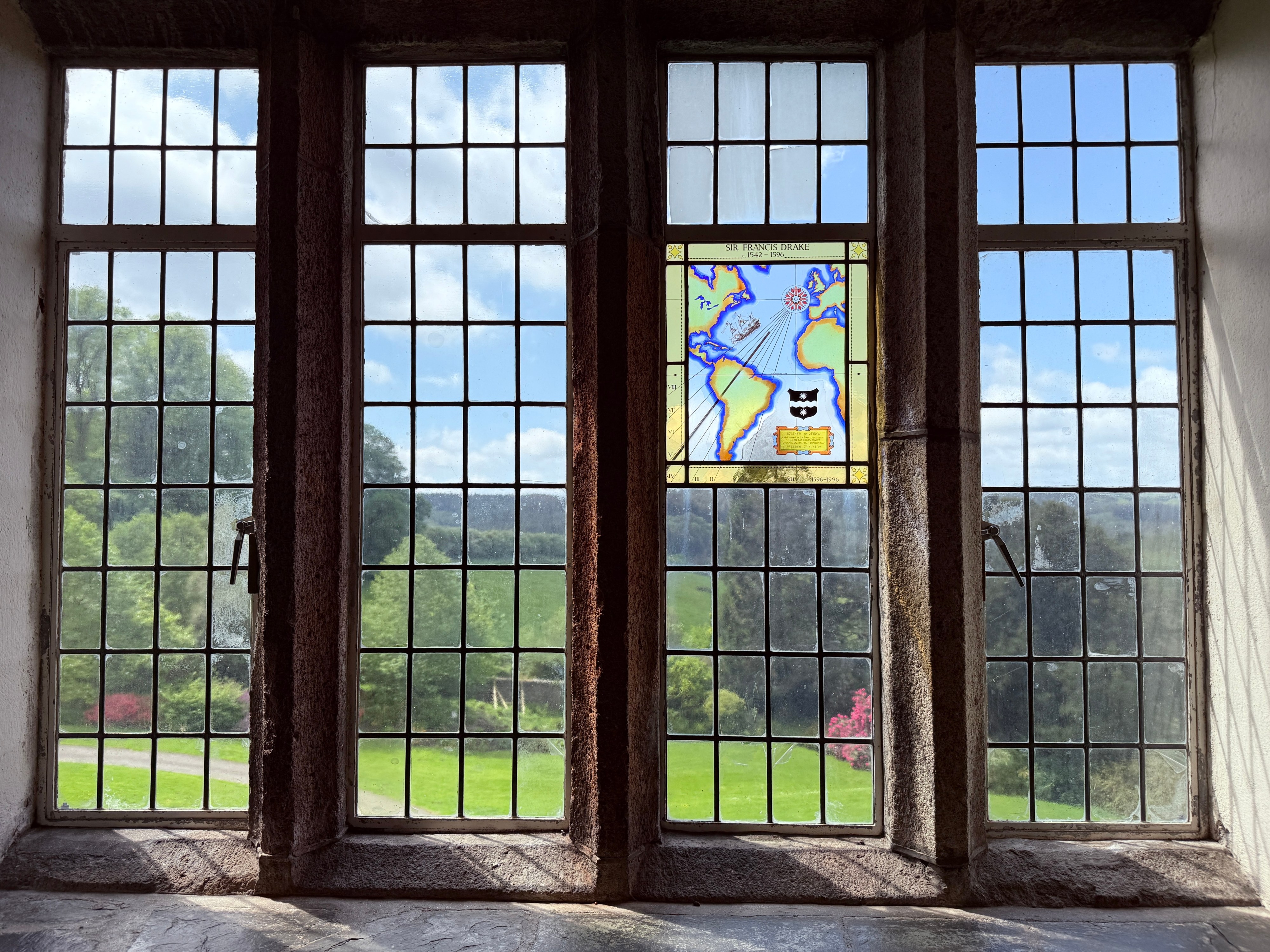
Set amidst wildflower meadows and ancient woodlands, Buckland Abbey has the intriguing pedigree of once being the residence of Sir Francis Drake, Elizabethan privateer, explorer and namesake of Drakes Bay in northern California, where the white headlands are said to have reminded Drake of the chalk cliffs of Dover. The abbey, founded in 1278 by Cistercian monks, supported a thriving community until King Henry VIII forced the dissolution of all monasteries. Some of the former abbeys and priories were destroyed and some, like Buckland Abbey, became the property of the Crown and were then sold and converted to fine manor houses.
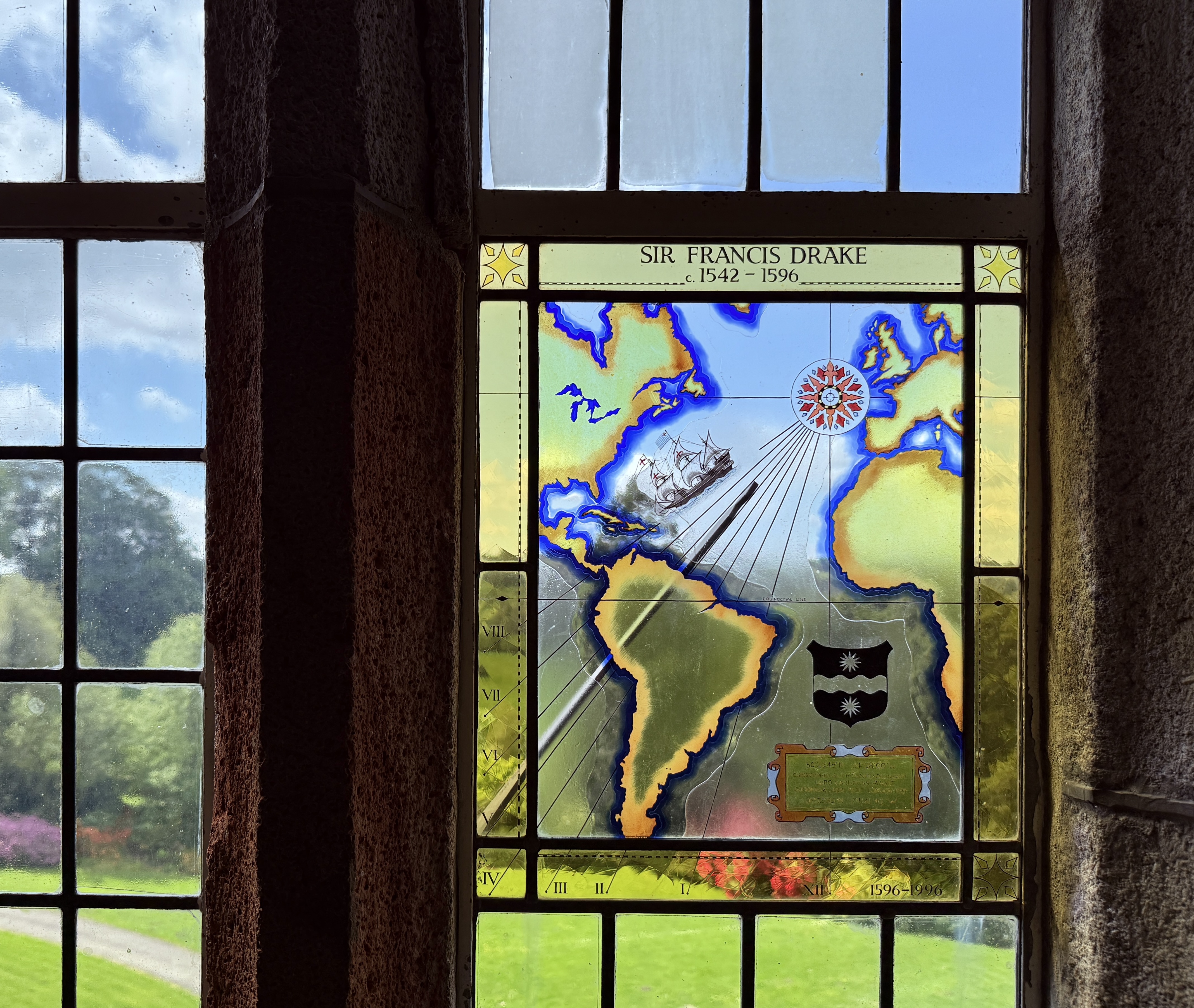
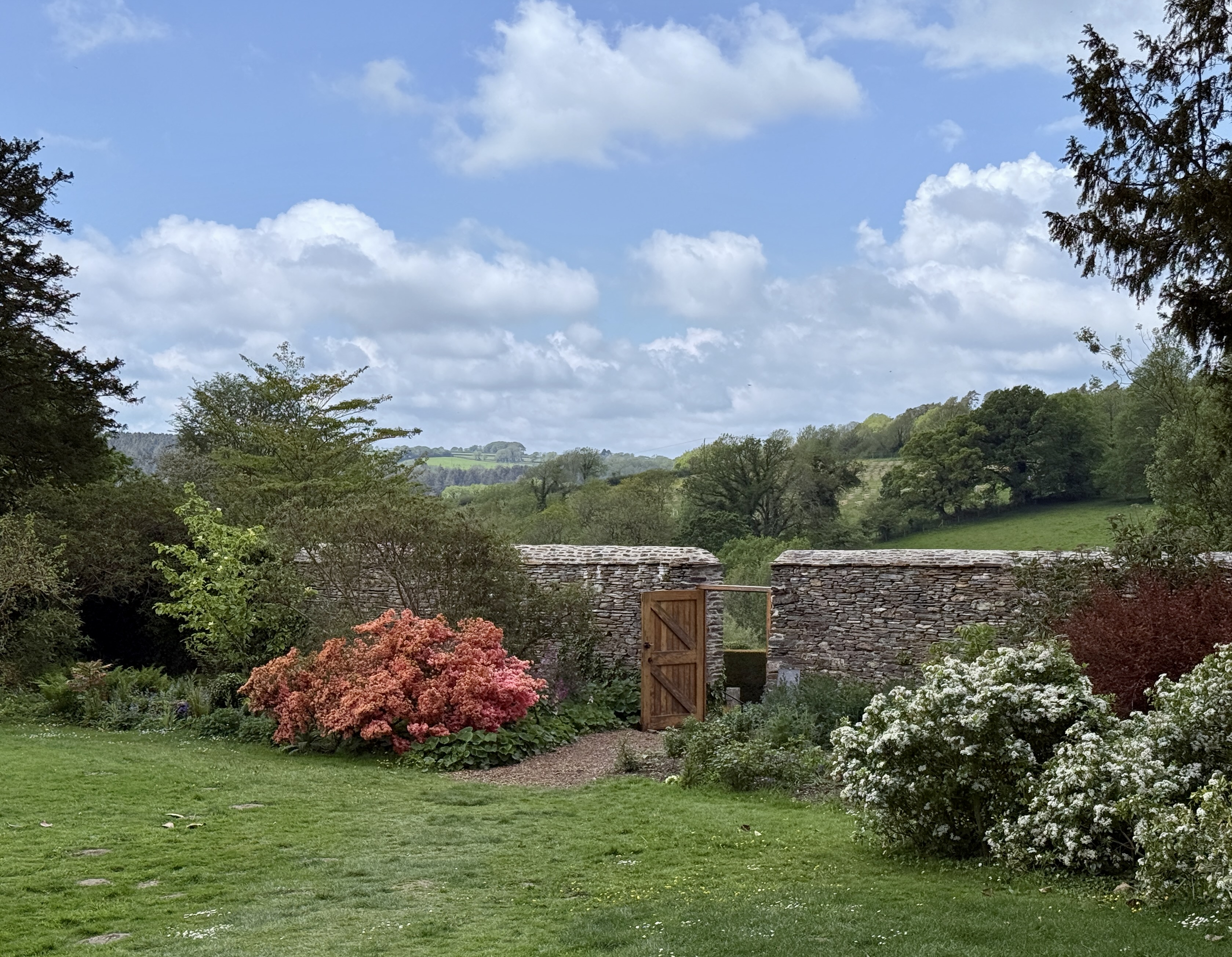
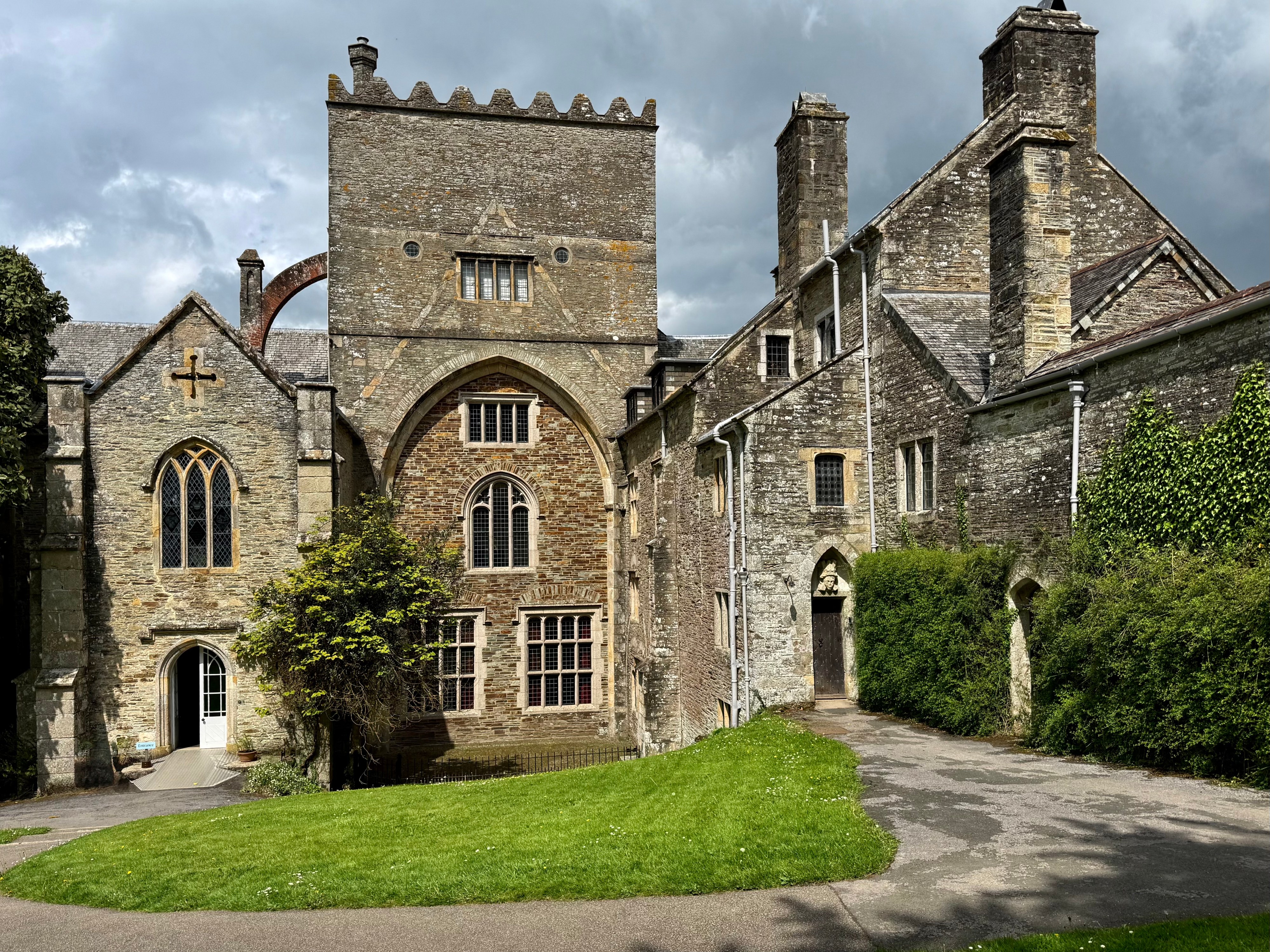
The abbey and its outbuildings are now preserved as a National Trust property, and for a reasonable joining fee (rejoining, actually, since we used to be members), we are free to wander throughout the manor and surrounding gardens. We marvel at the marriage of medieval and Tudor architecture and gaze upward in awe at the huge oak rafters supporting the roof of the Great Tithe Barn, where scythe-winged Swifts swoop in and out of the vast interior, virtually unchanged since the 13th century.
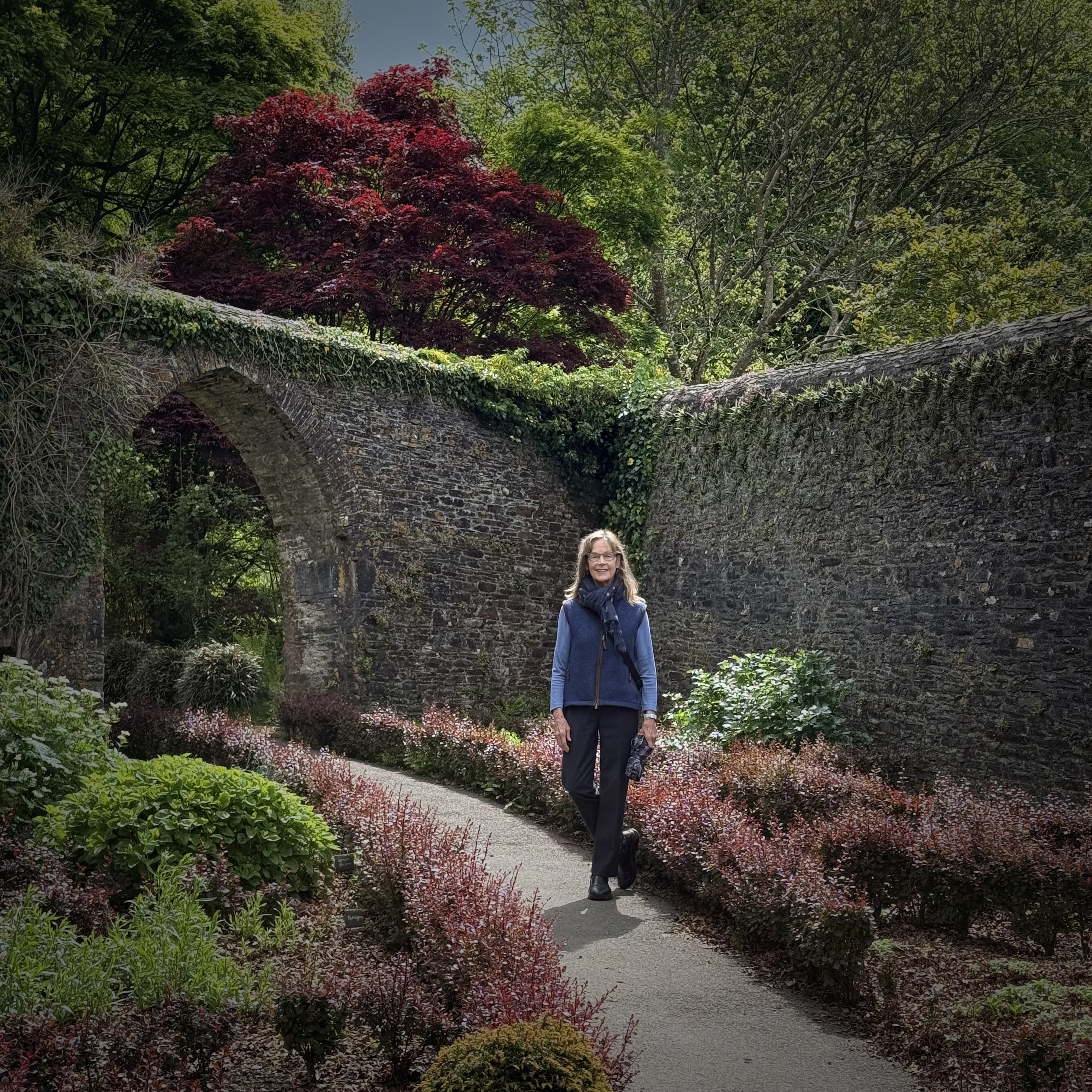
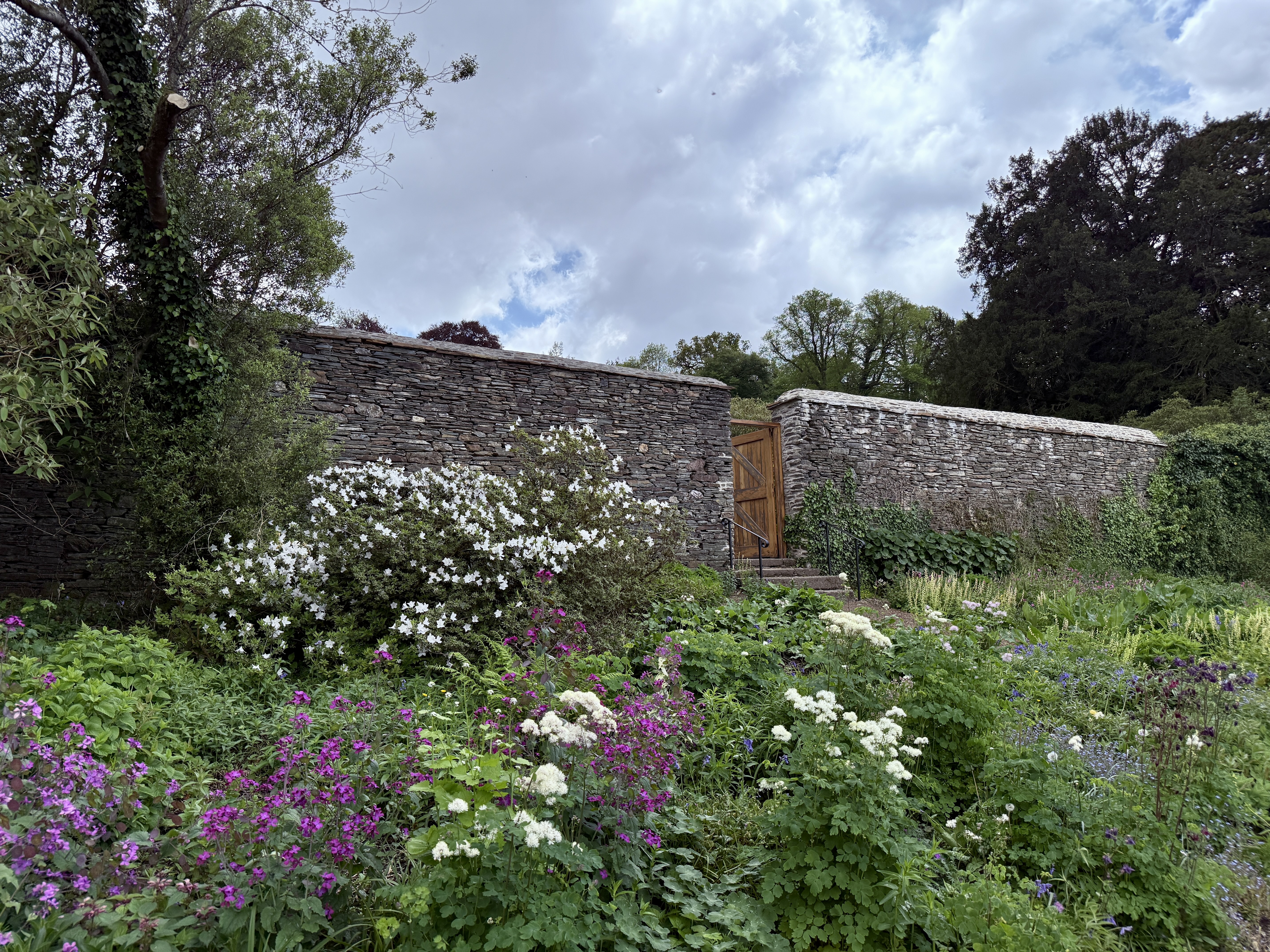
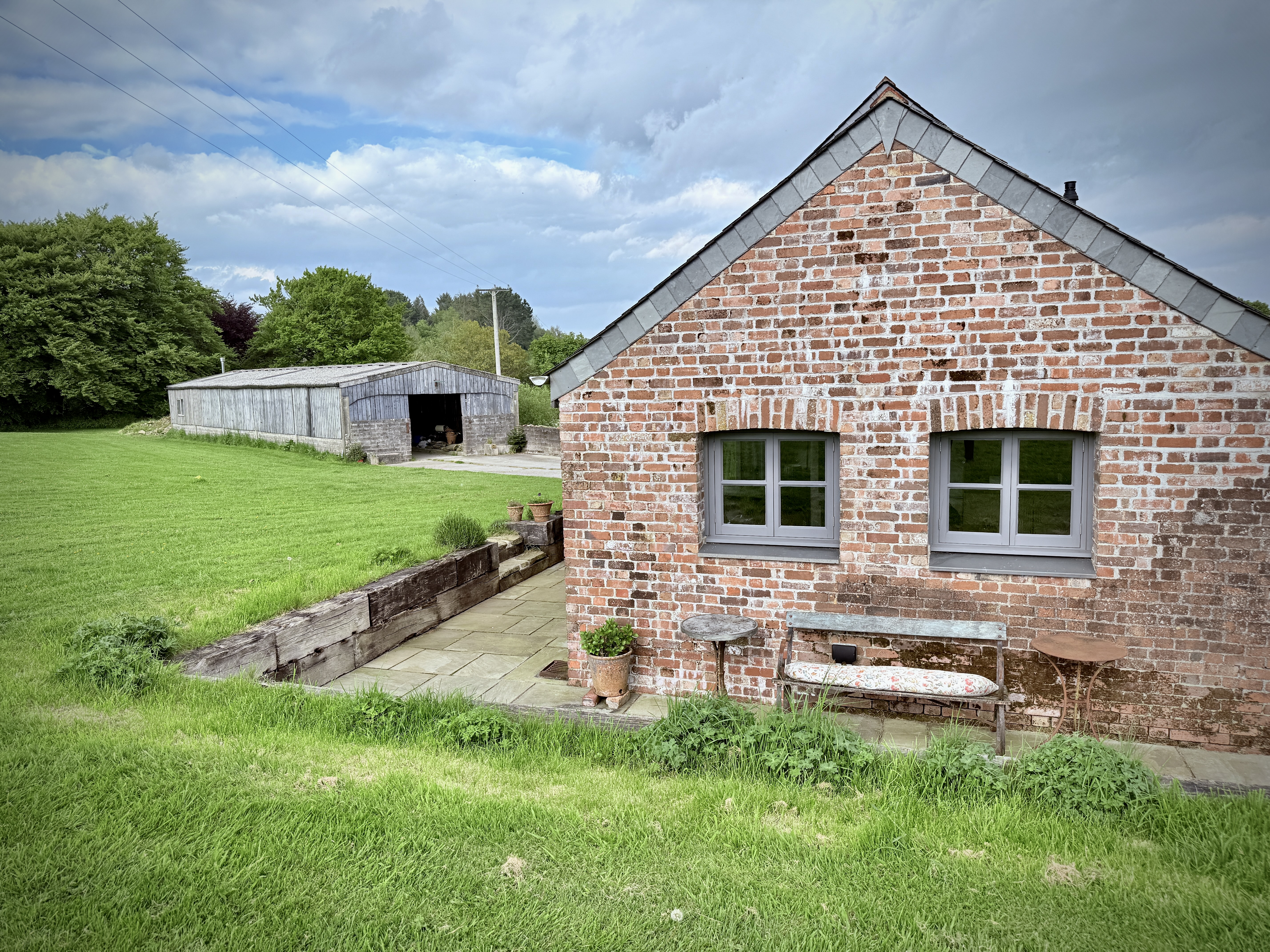
In the early afternoon, we turn into a hidden country lane leading to our AirBnB, a wonderfully restored farm outbuilding called the Milking Parlour.
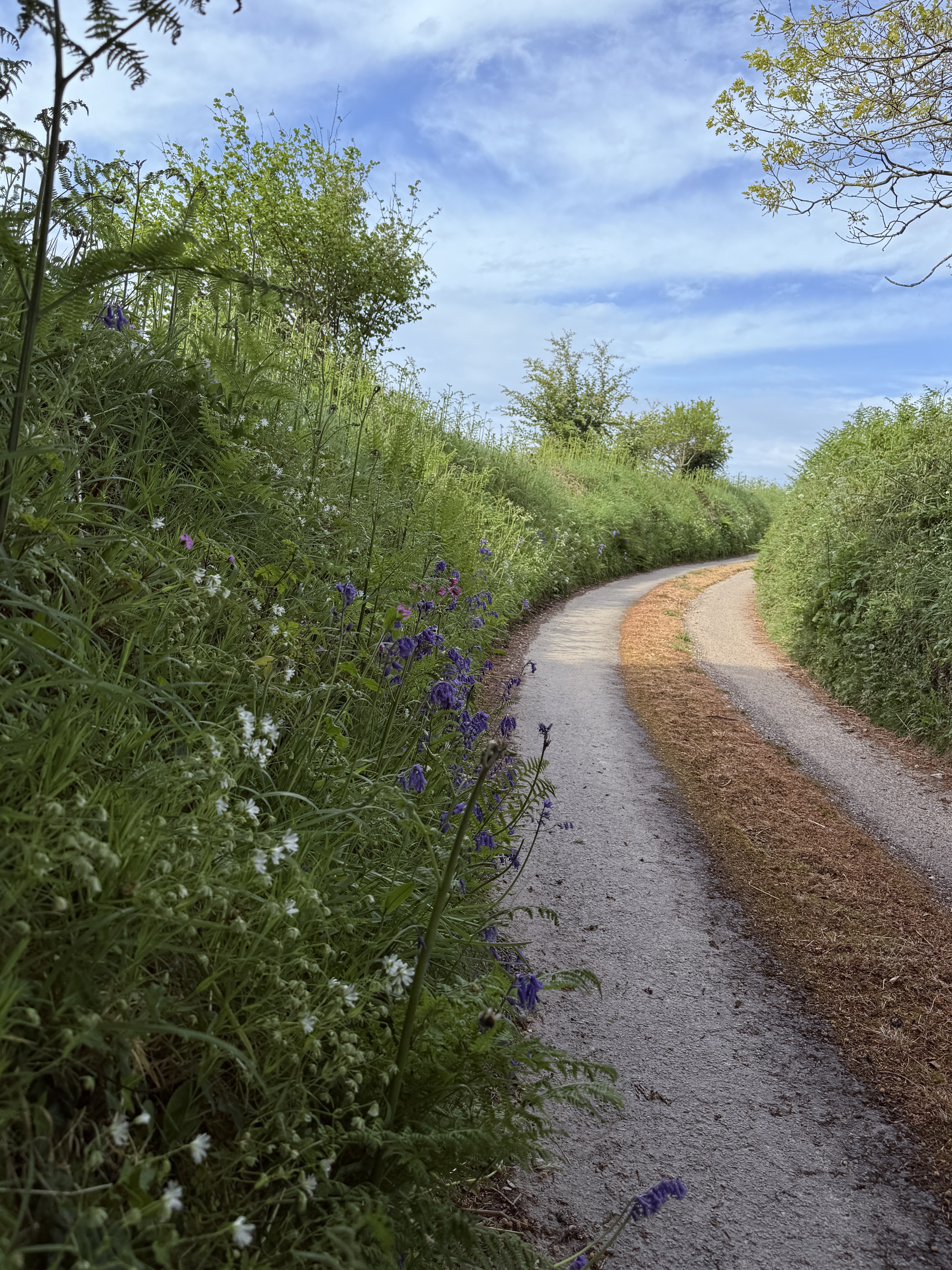
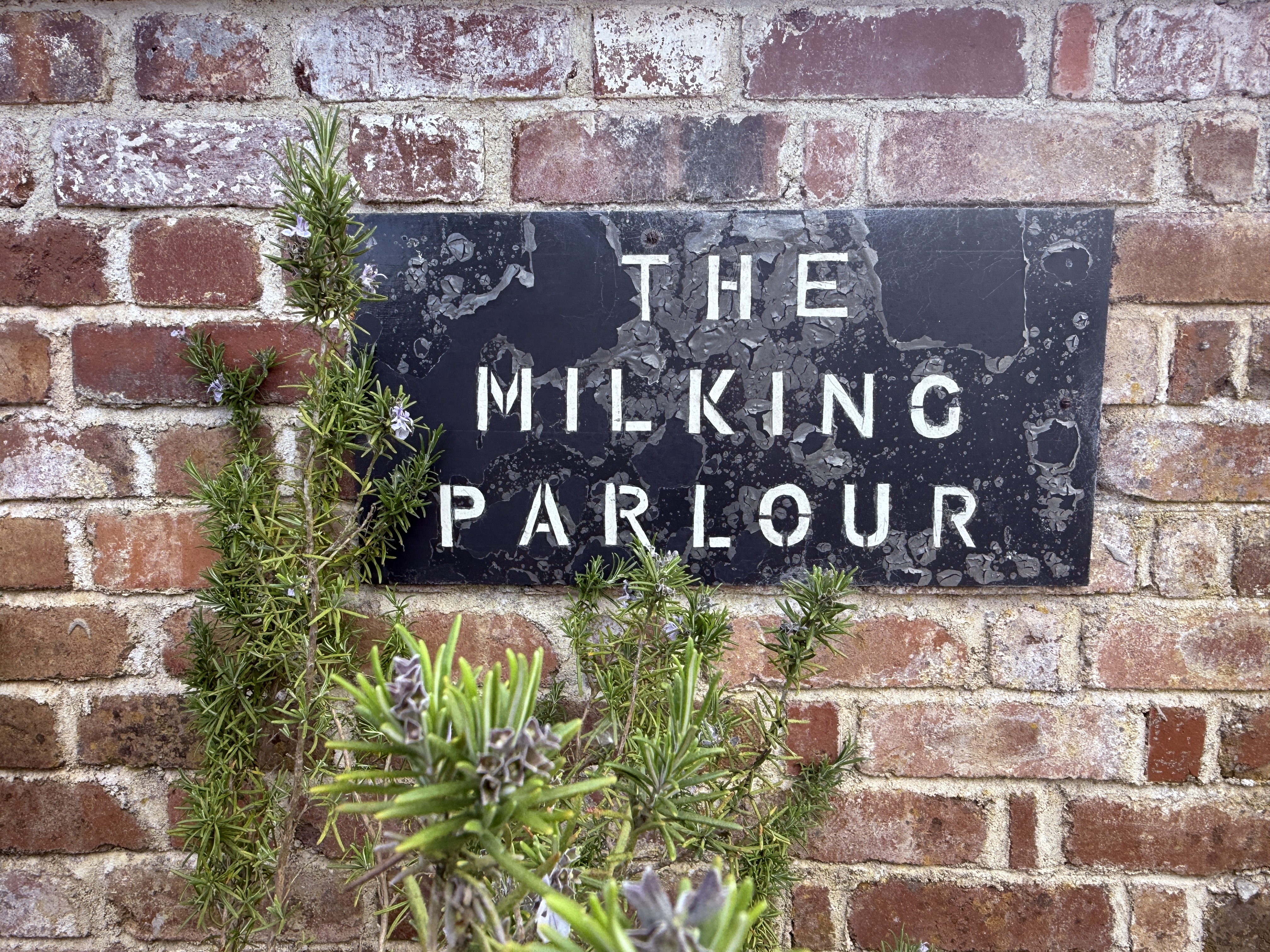
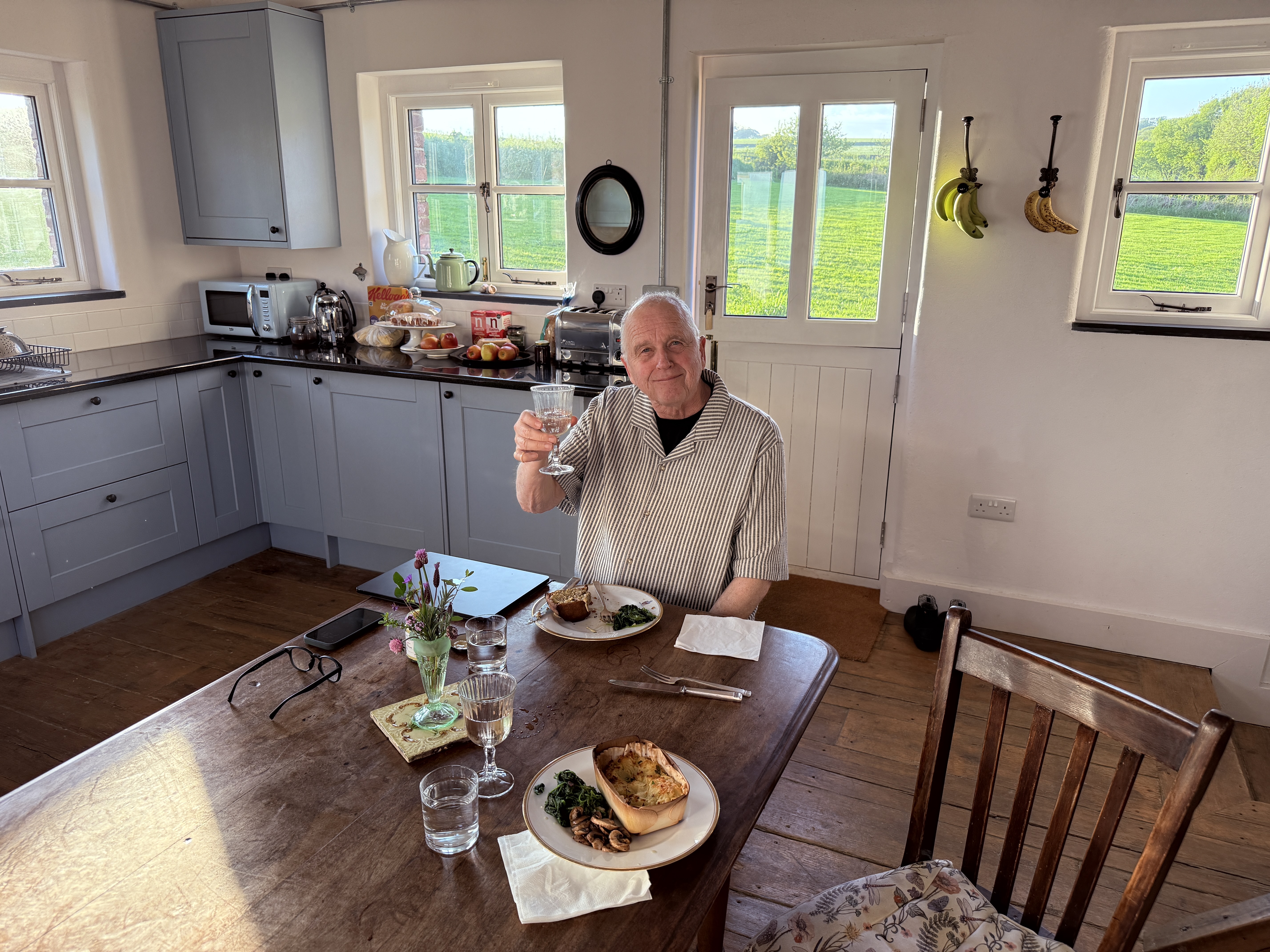
The door is unlocked, and we enter into a spacious, light-filled kitchen with a deep farmhouse sink and windows overlooking green fields and hedgerows. Right away, we love this place. A moment later, our hostess appears, the wonderfully warm and gracious Gillian, along with her two friendly companions, an Irish terrier called Riley, and a cat, Martha, and we are hopelessly smitten. We’ve booked two nights here, but sense we could easily stay a week.
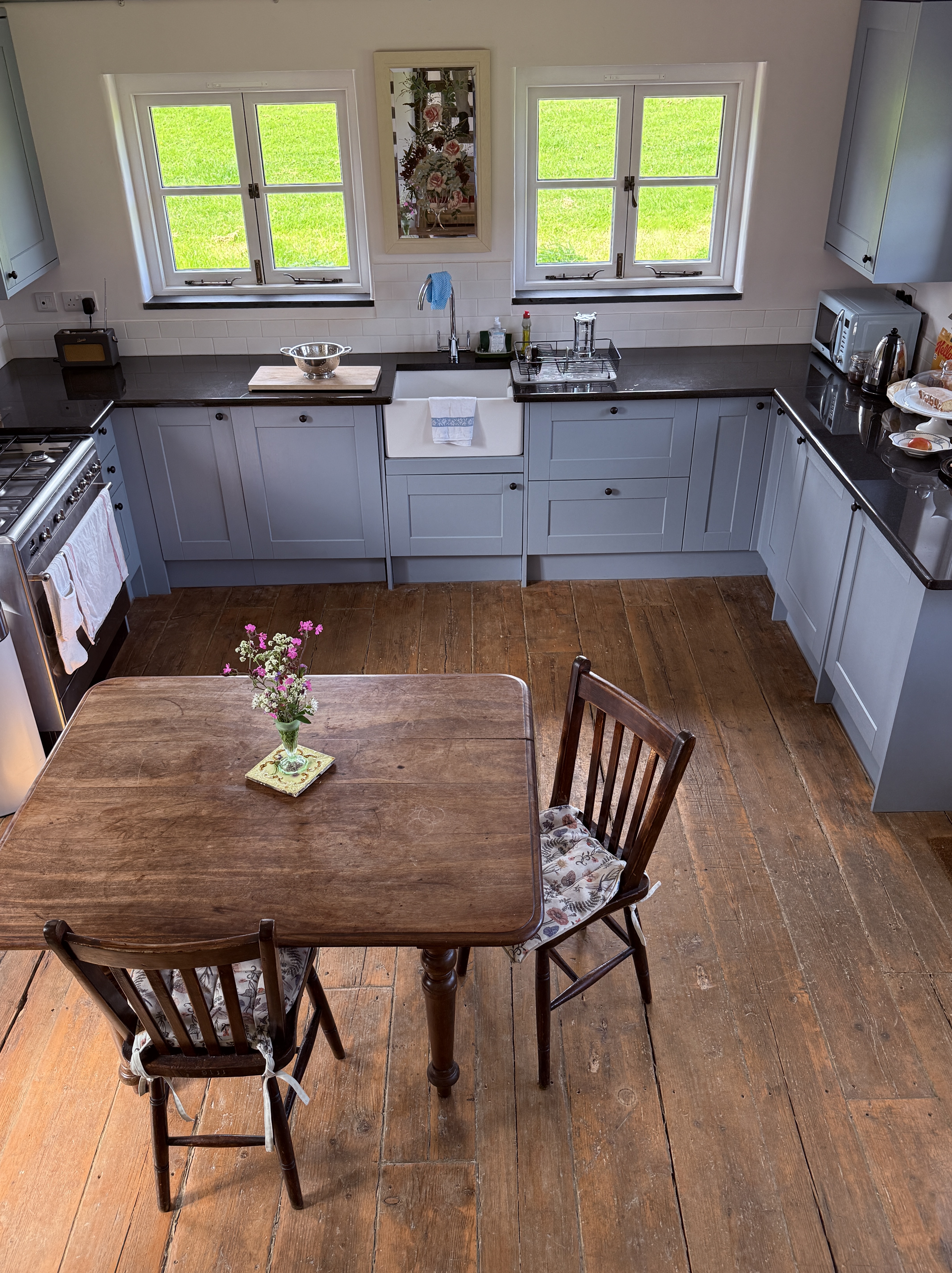
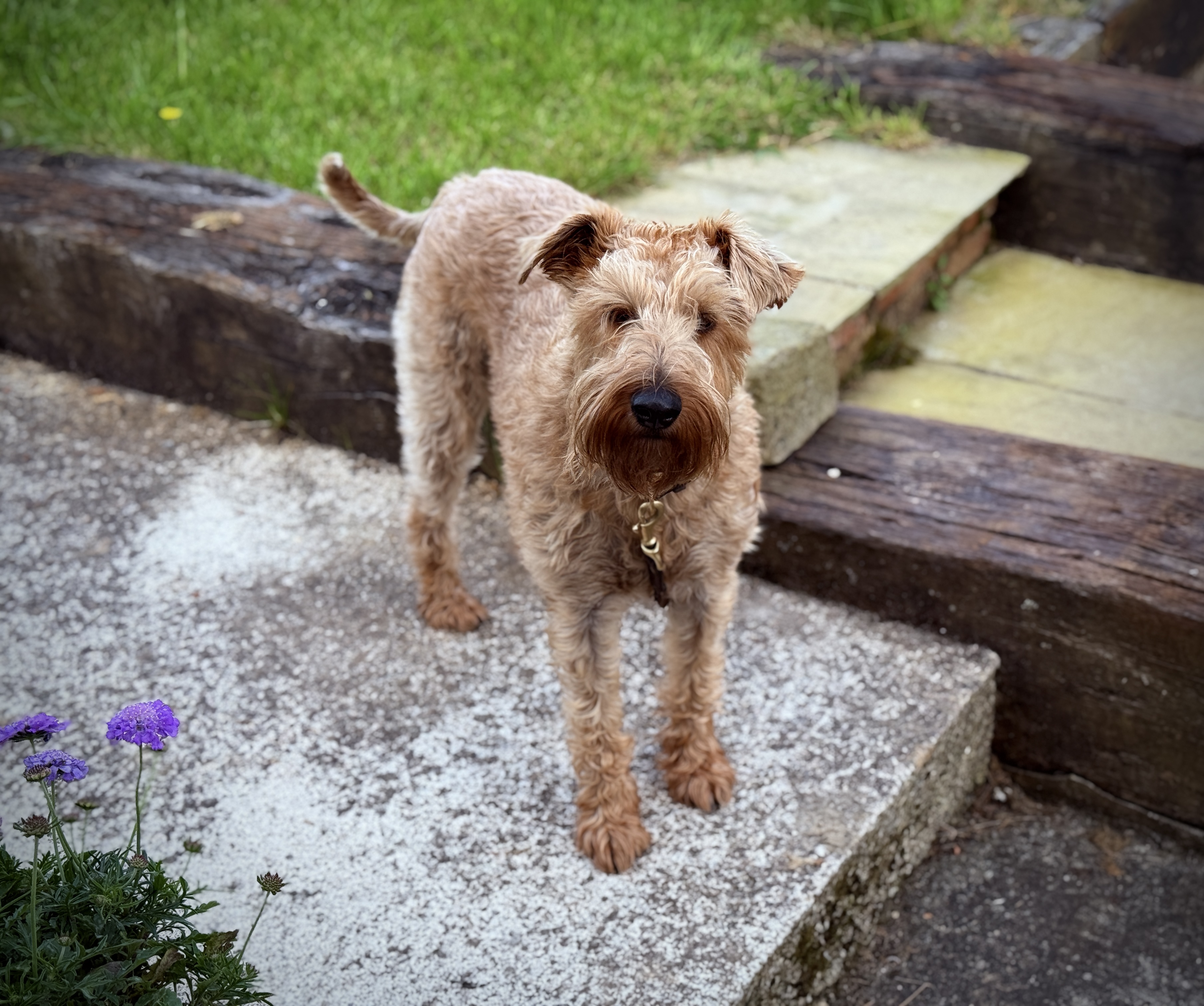
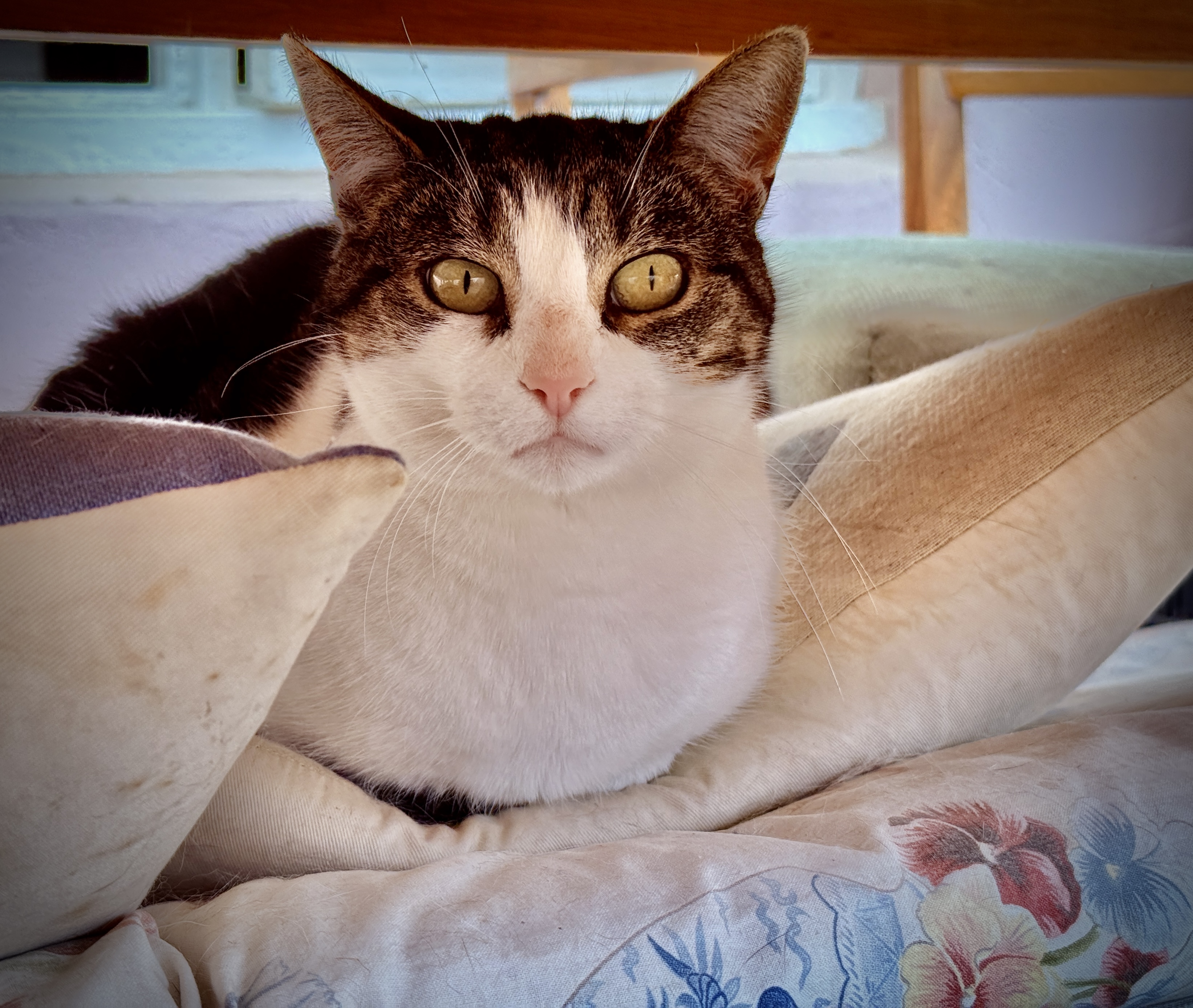
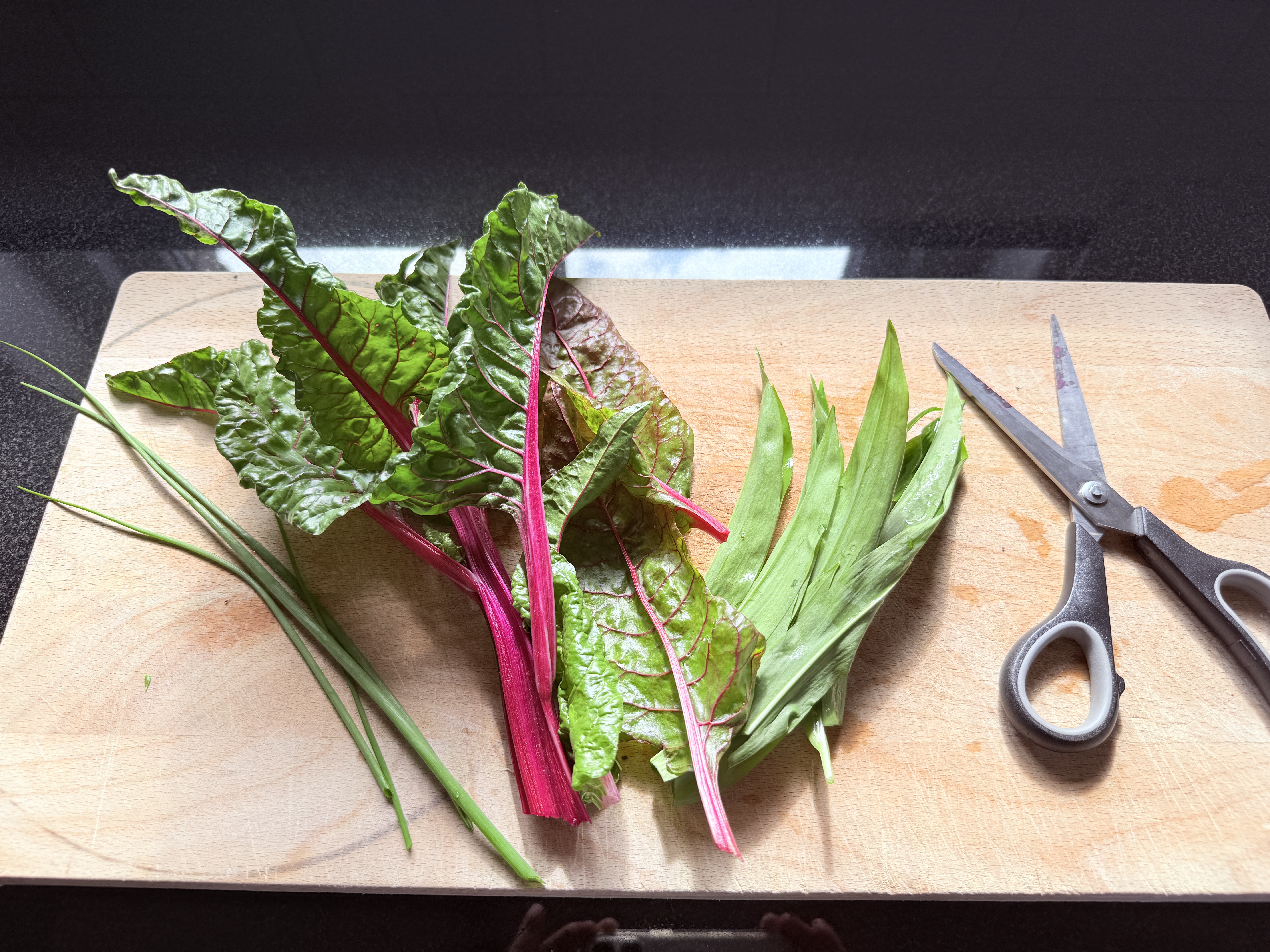
Well-stocked drawers and cupboards contain everything we need, including farm fresh eggs, butter, milk, bread, crisp apples, homemade plum preserves and a lemon-drizzle cake—promptly sampled by Dave. Artful vintage furnishings decorate every room, and each bedroom has its own private adjoining bath, heavenly soft bedlinens, pillows and comforters, plus thoughtful touches such as fresh flowers, lightly scented sachets and padded, fabric-covered hangers in the closets.
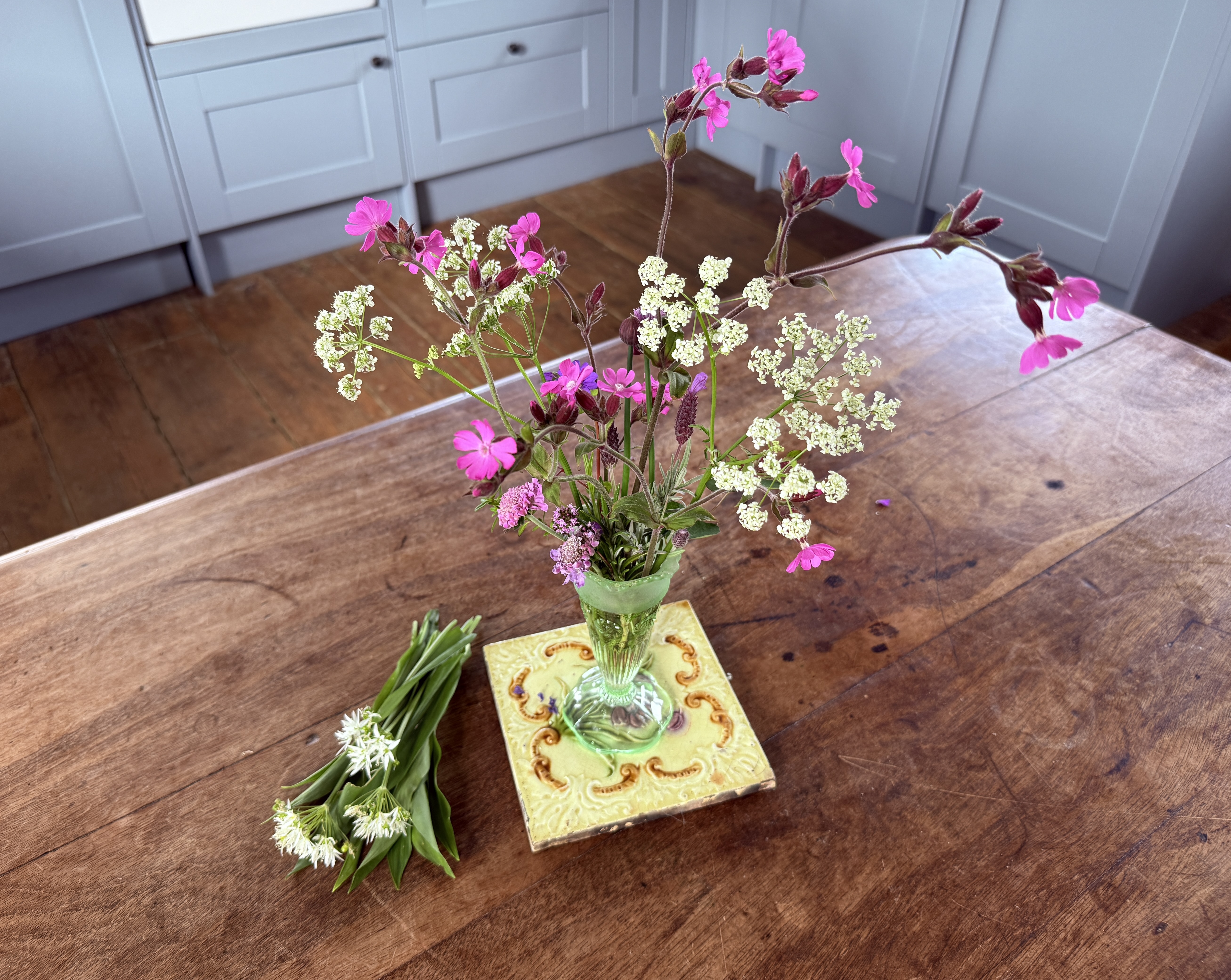
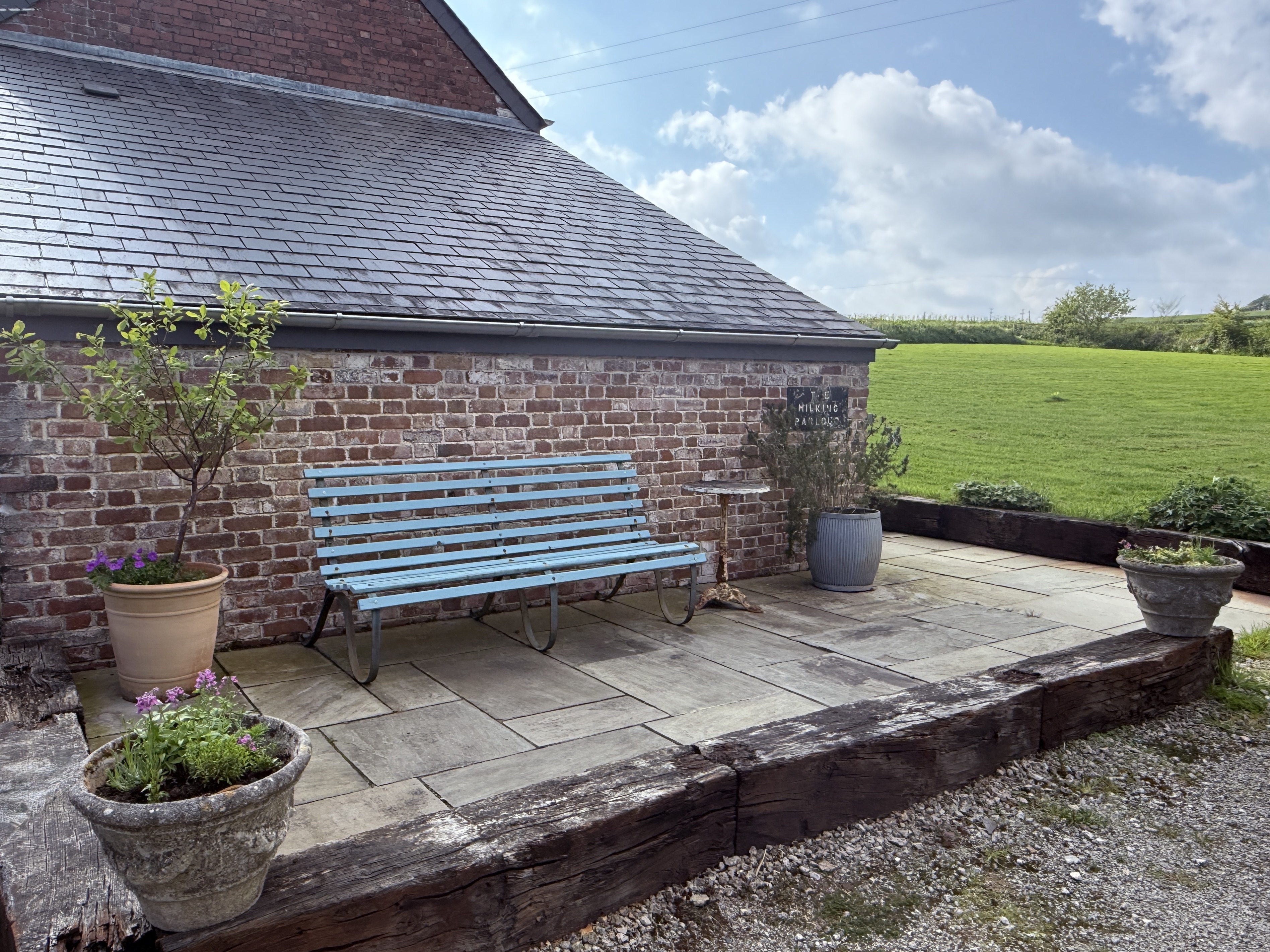
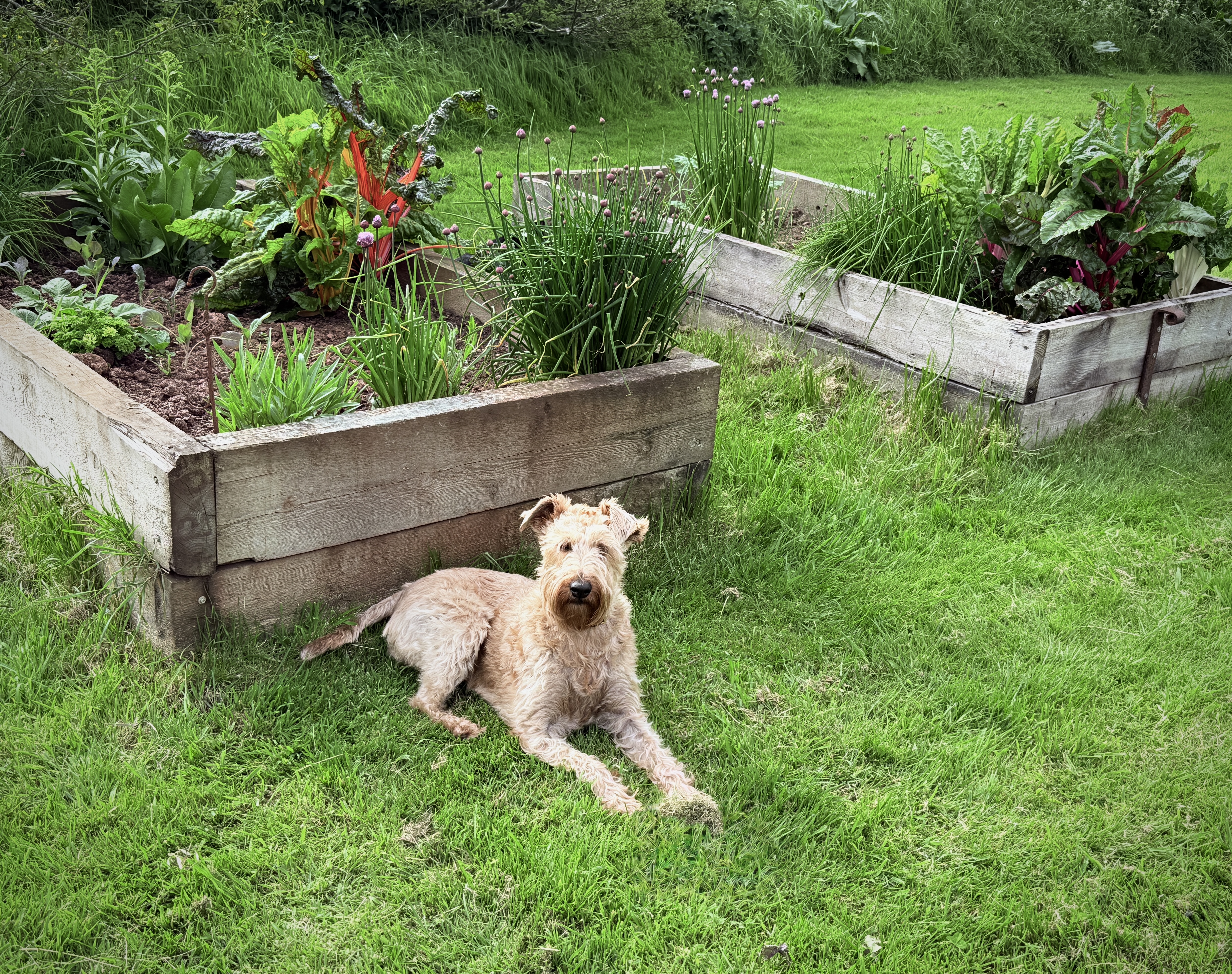
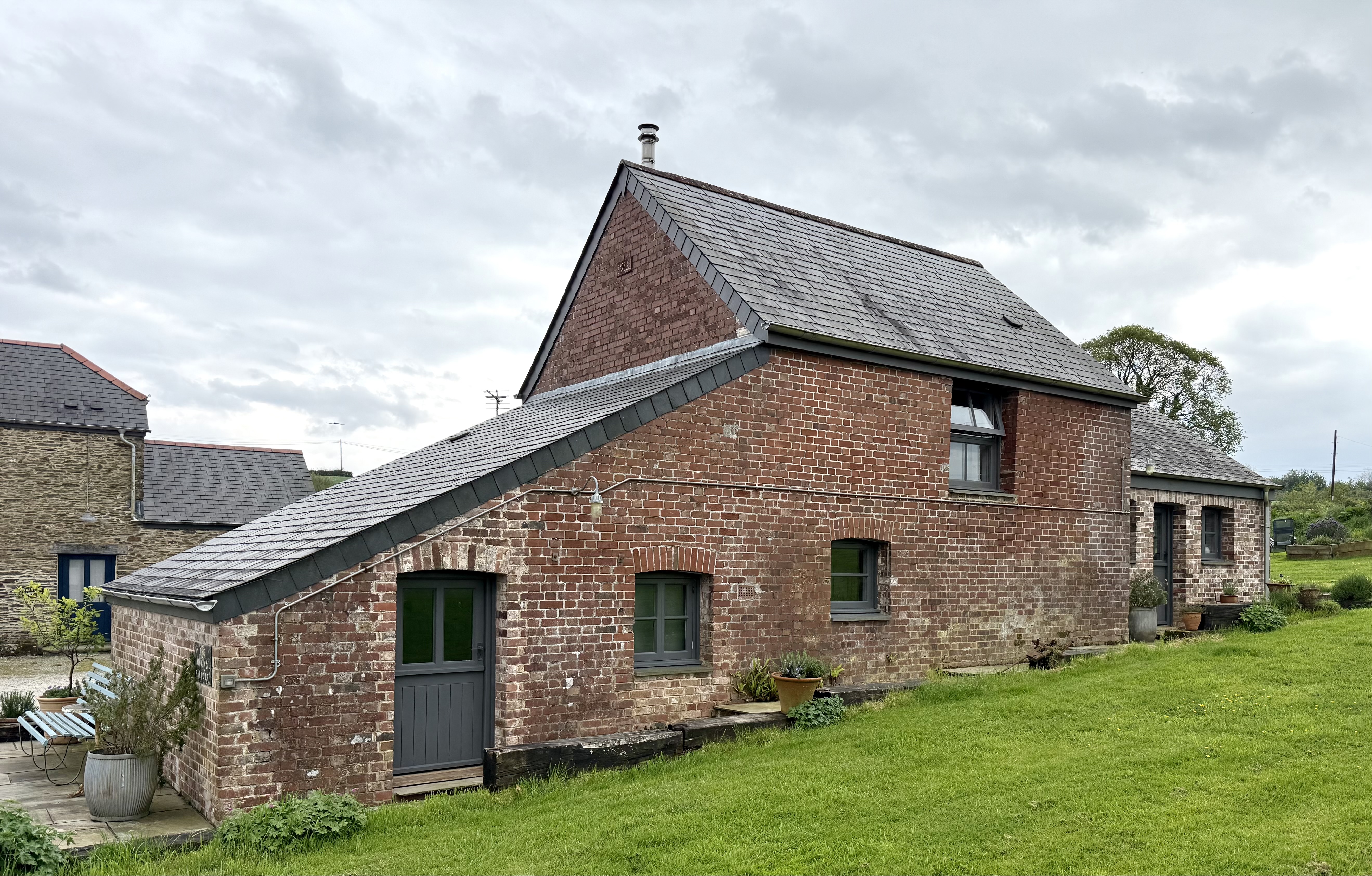
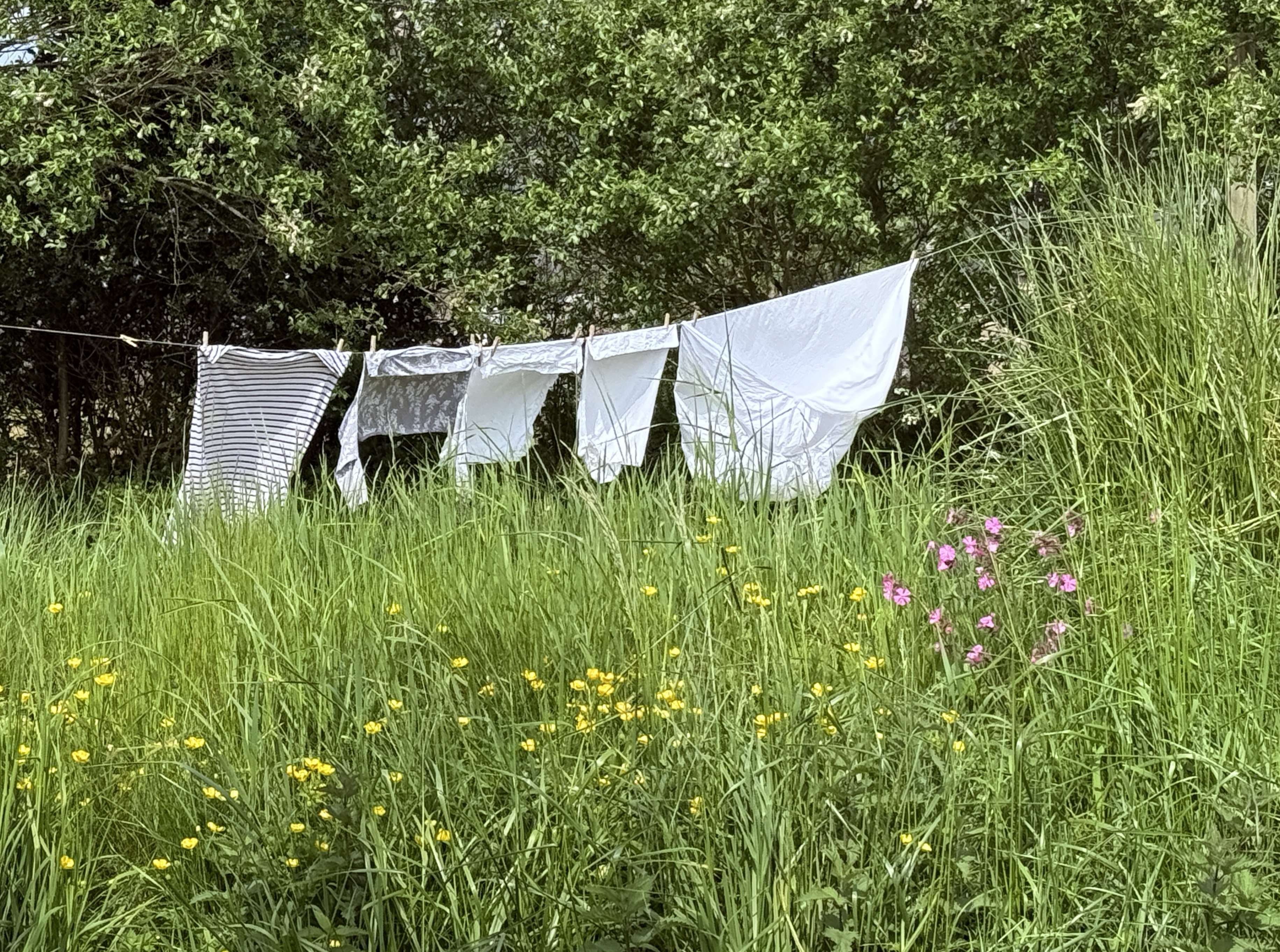
We are so enchanted with the peaceful setting and the blissful interior of the Milking Parlour that we spend most of our time on site; taking walks, chatting with Gillian, doing laundry, cooking and dining “in”. The wistful tinge of Anna’s nostalgia for our former life in England distills to the pure sweetness of remembrance. That was then; this is now; both are to be treasured.
Very early each morning, faint birdsong begins slowly, in darkness, and then builds as if to light the spark of sunrise. How is it that England produces one of the sweetest dawn choruses in the world? Apparently, it has to do with the mild climate and the patchwork landscape of hedgerows, small woodlands, gardens, parks and field edges that support many bird species living close together who produce a layered chorus of numerous voices.
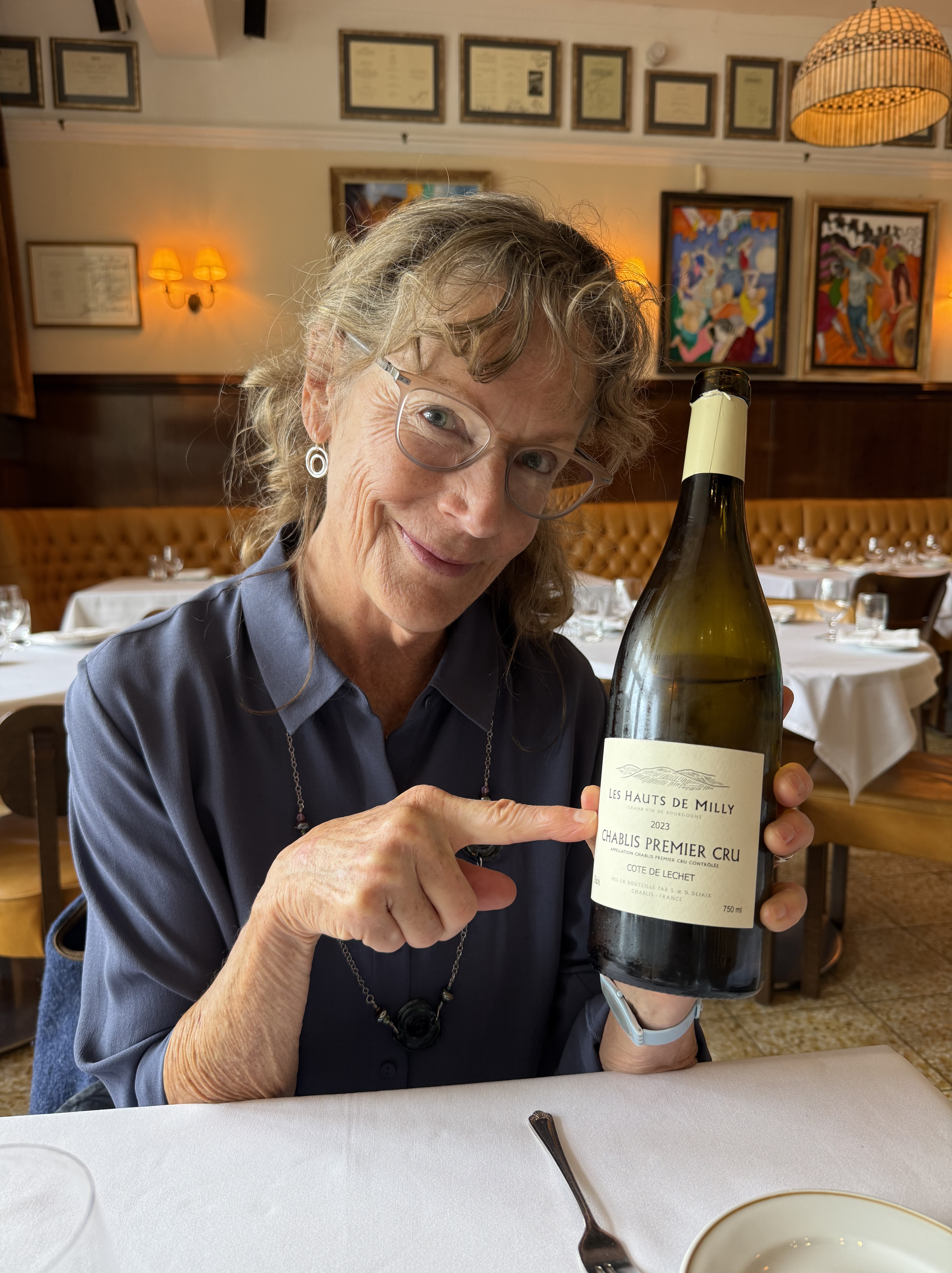
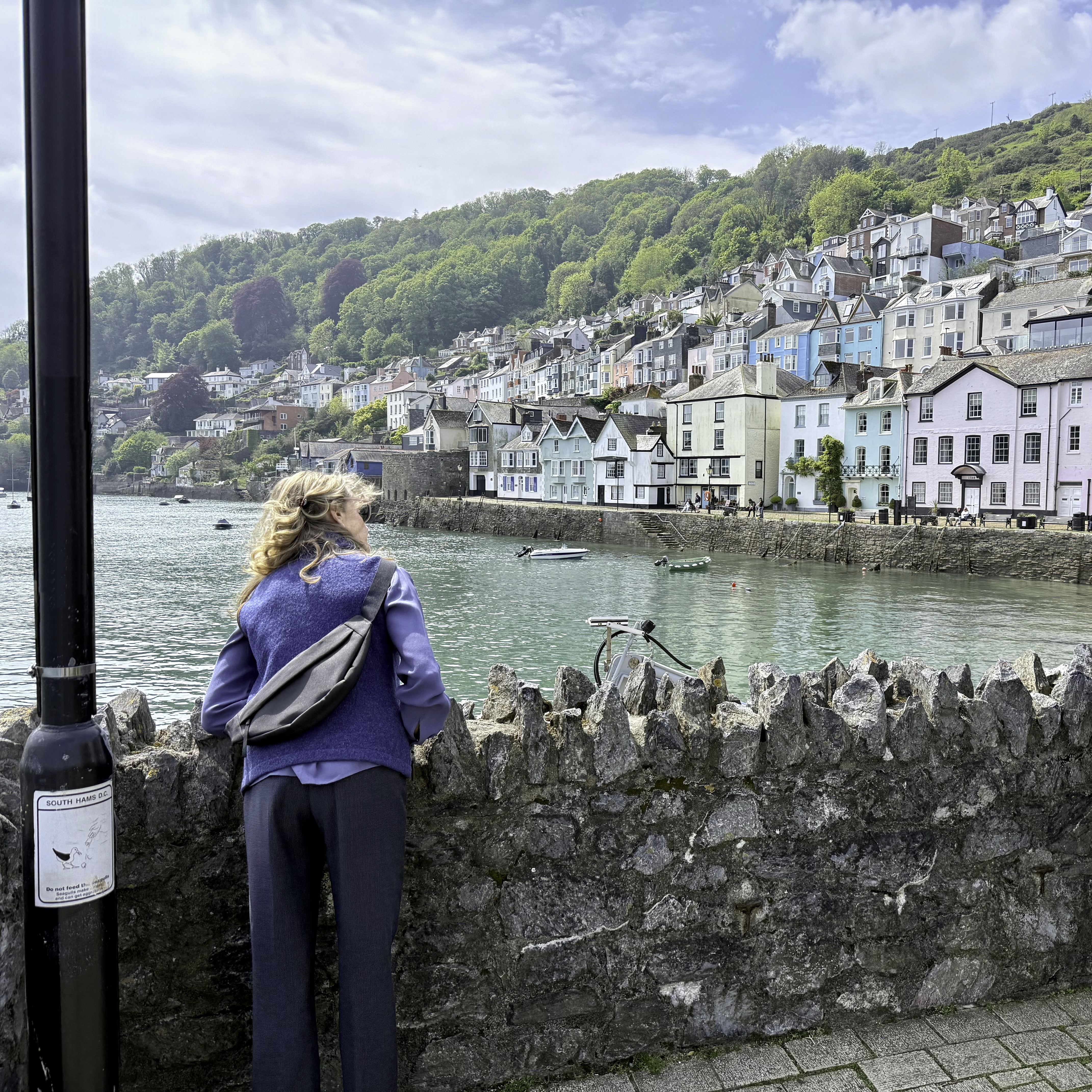
Our single outing away from the Milking Parlour is a lunch excursion to the colorful port town of Dartmouth. We dine at the Michelin-starred Seahorse, known as one of the best seafood restaurants in England. Lunch is indeed delicious, and copious, as is the chilled bottle of Chablis we enjoy with our meal.
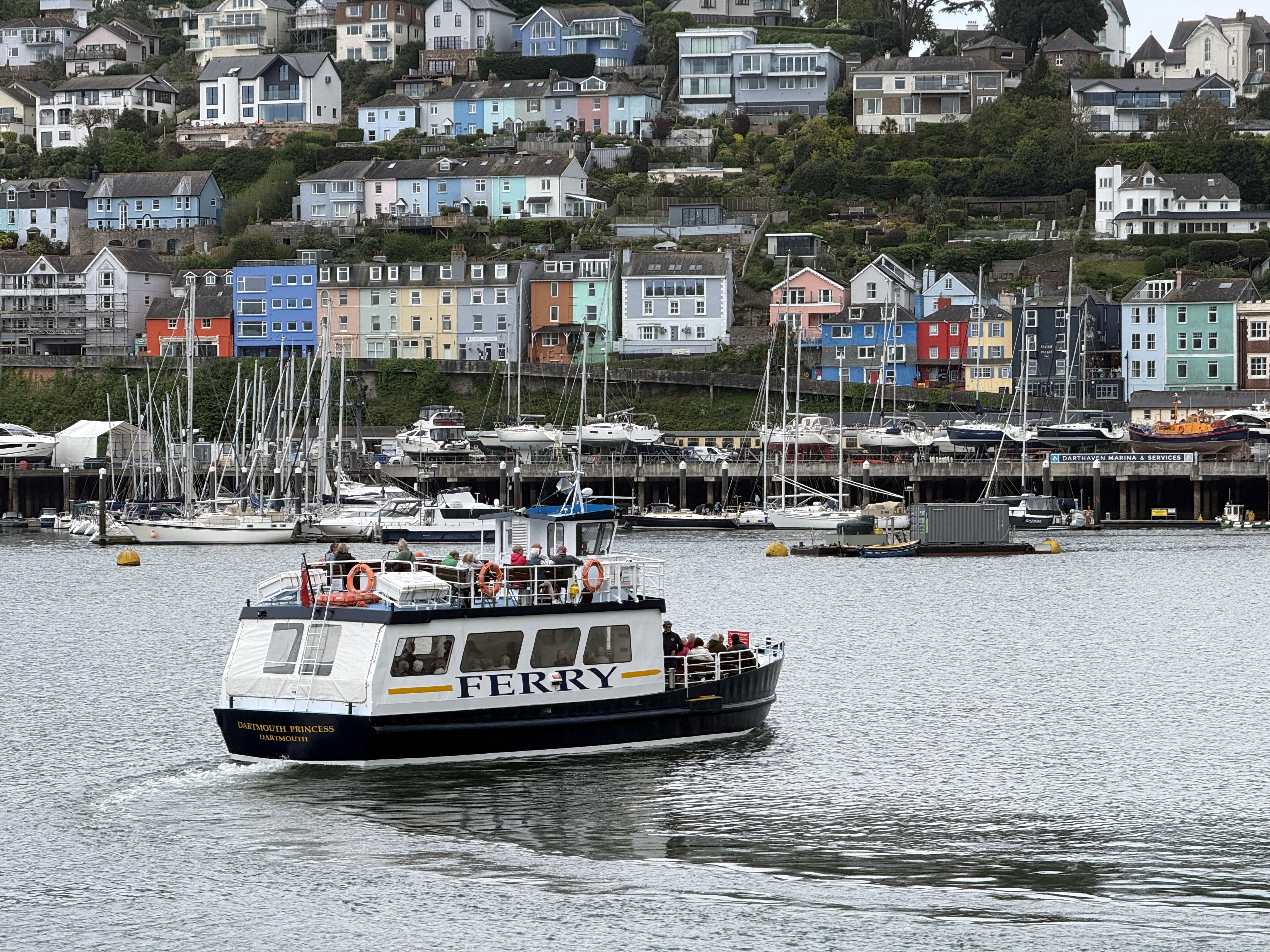
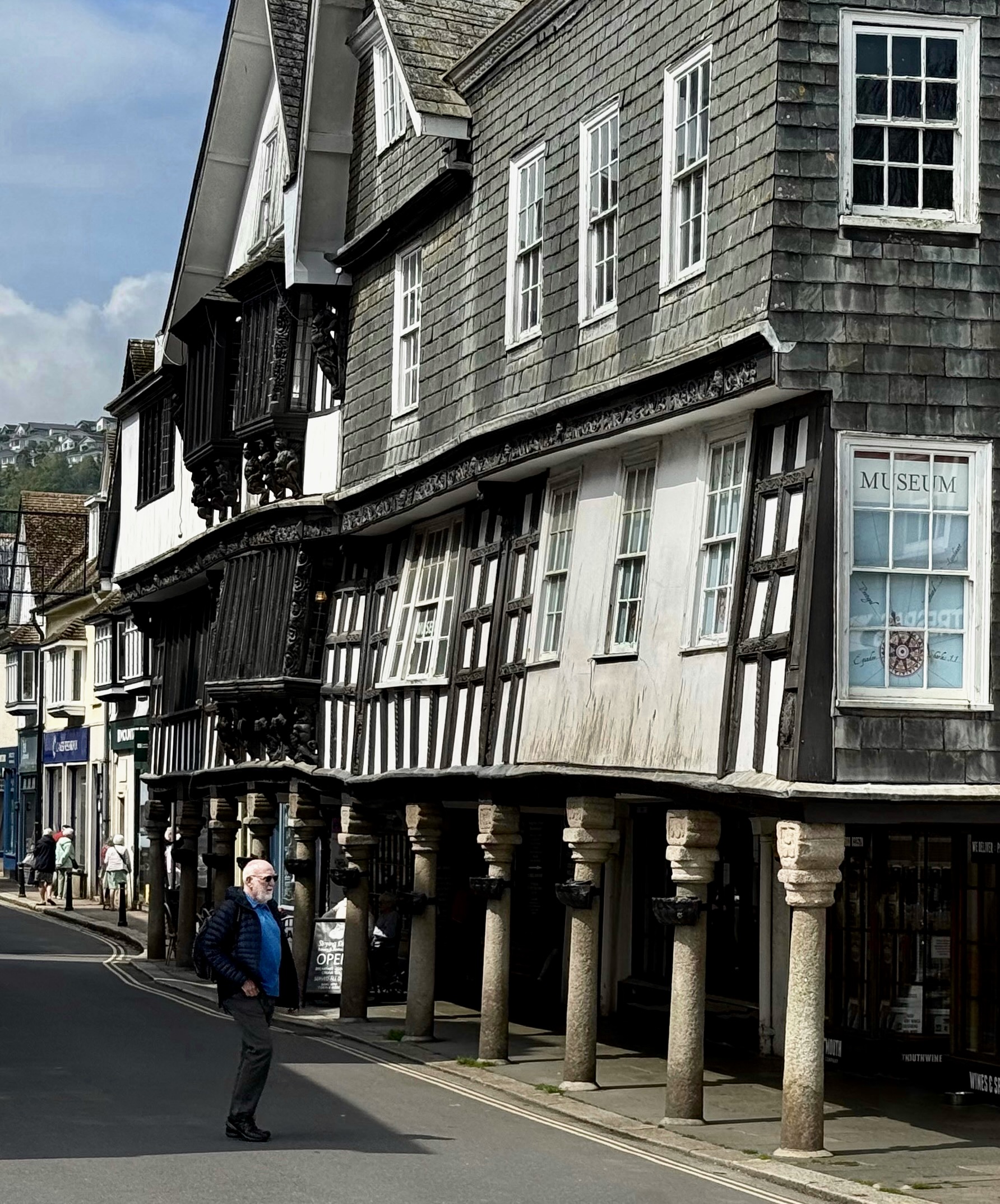
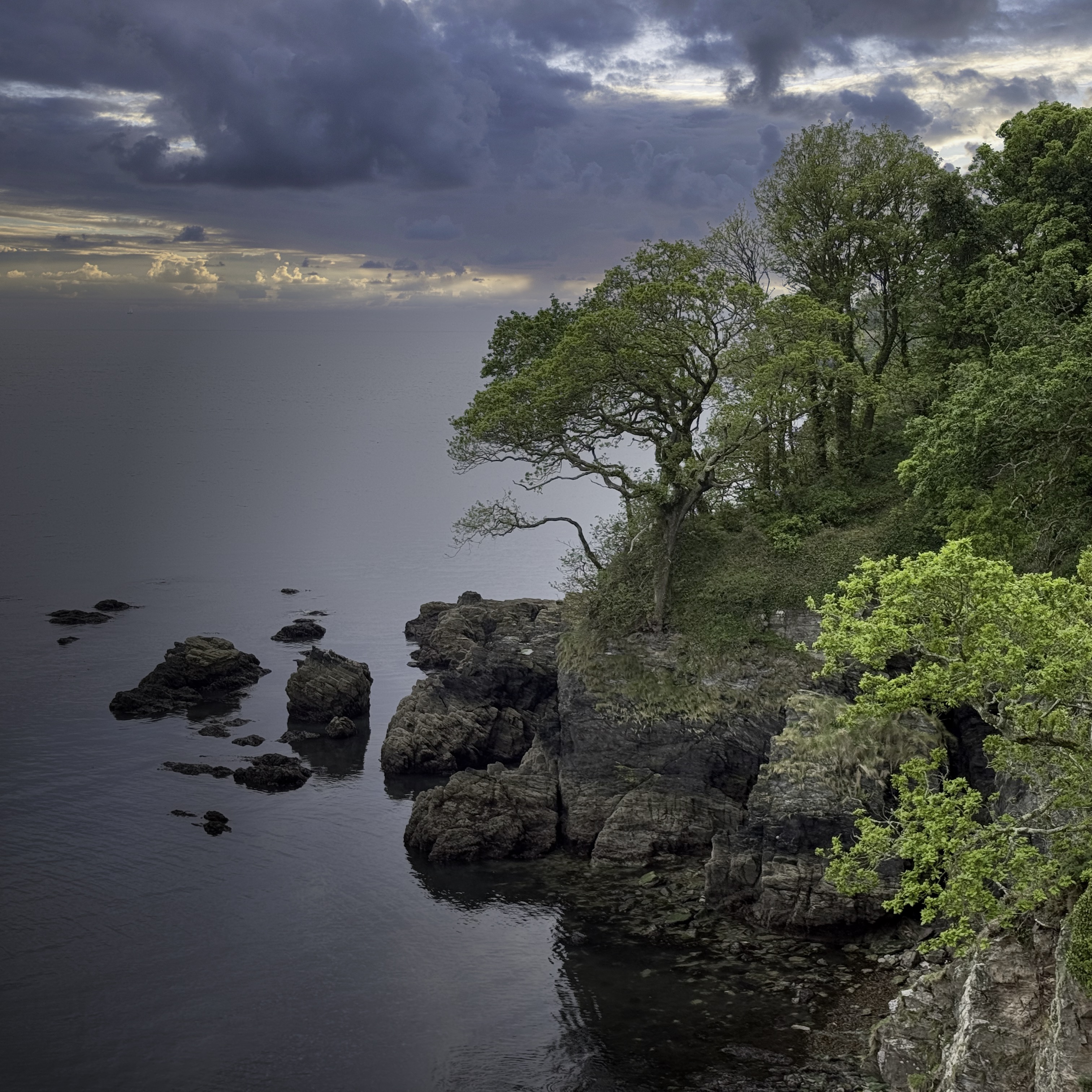
After lunch, we stroll along the quayside and visit the castle ruins and moody cliffs at the mouth of the River Dart.
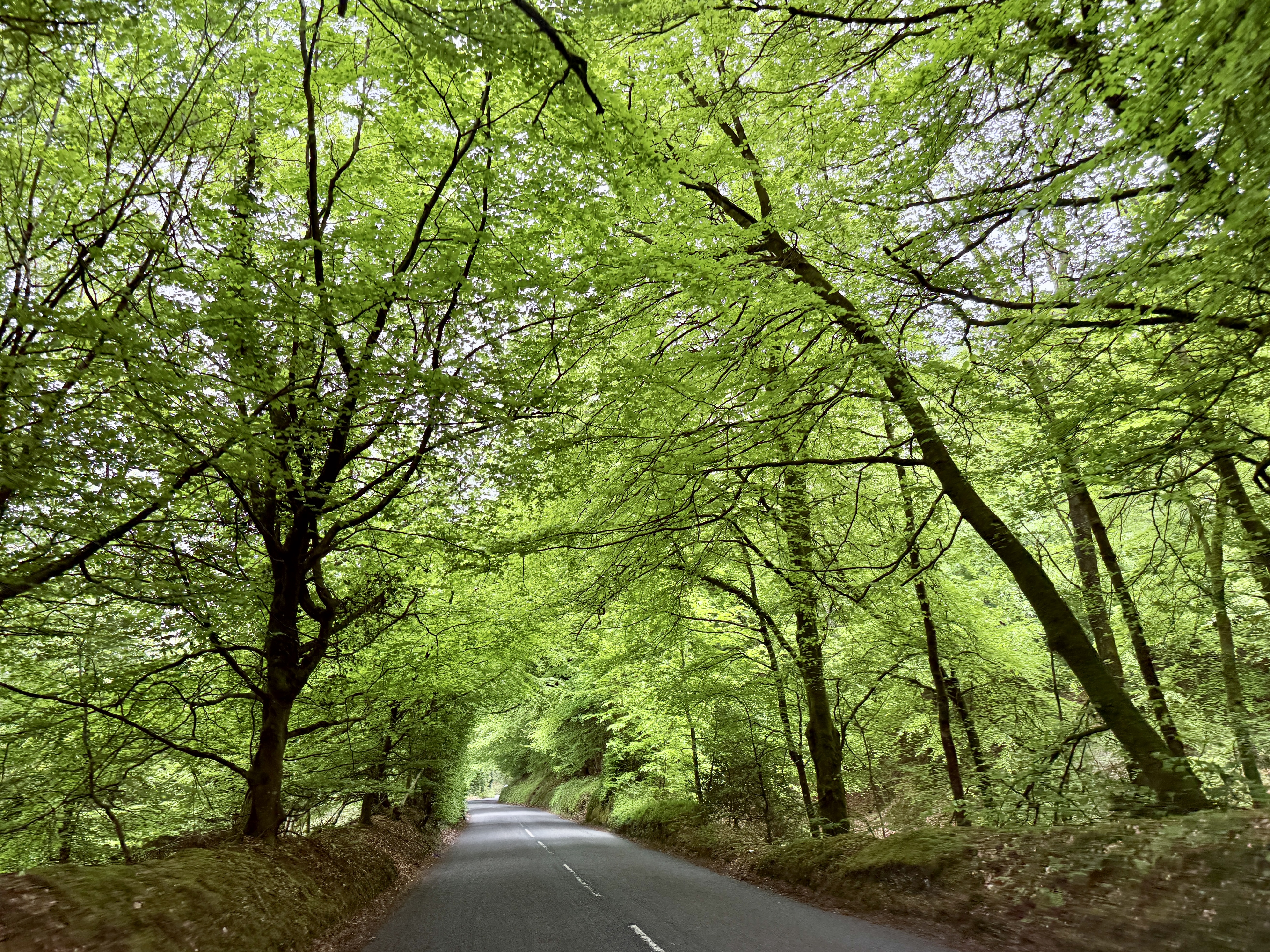
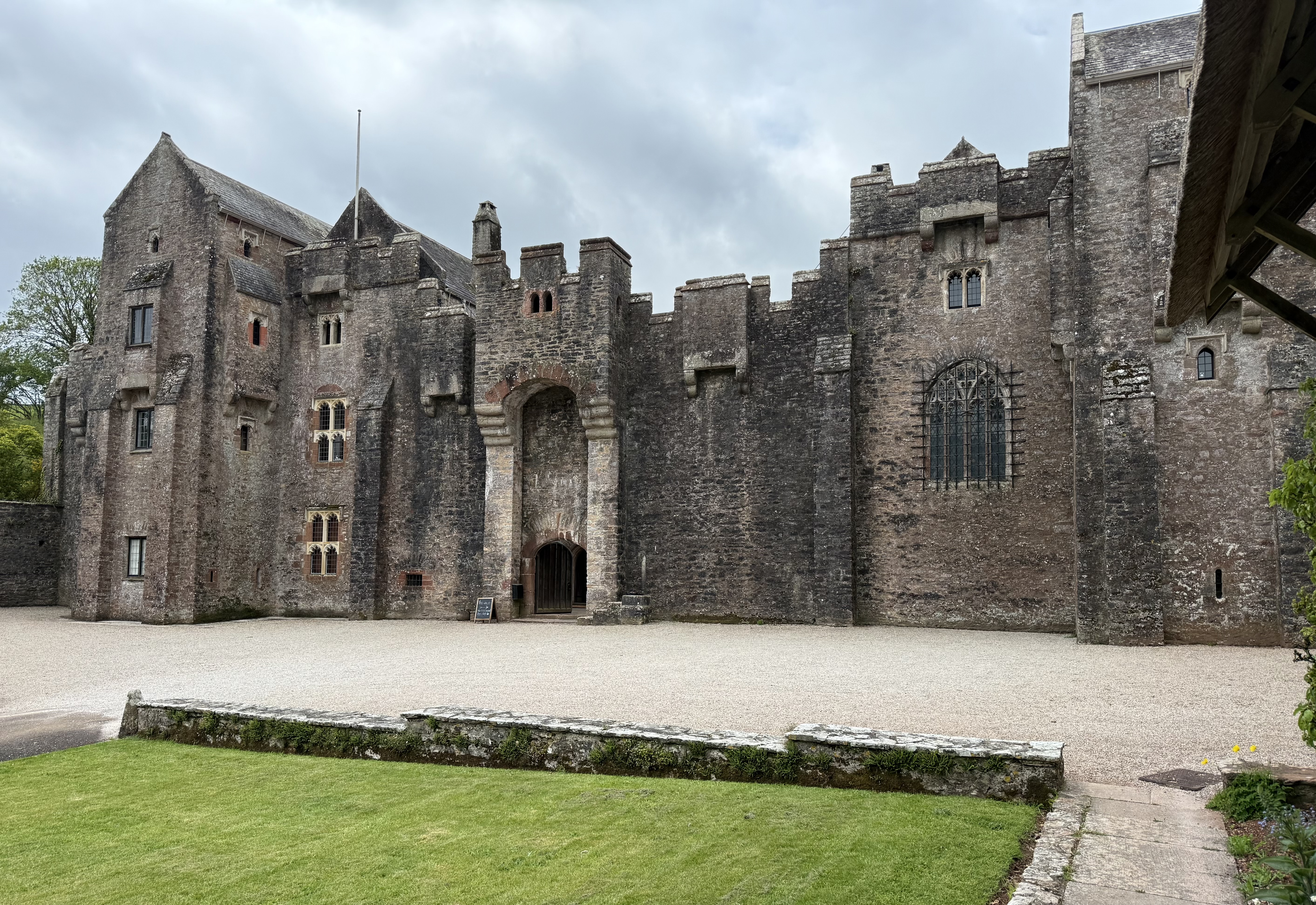
It is with a certain regret that we take our leave of Gillian, Riley, Martha and the Milking Parlour, and head for Dorset and the famed Jurassic Coast. Our route leads us through Devon’s hilly interior, latticed with higgledy-piggledy hedgerows and leafy lanes, until we happen upon Compton Castle, serendipitously open to visitors due to a holiday weekend. A fortress-like façade of gray stone guards a well-preserved medieval fortified manor house dating from the 14th century, and we cannot resist stopping to take a look. It is quite rare to find such a structure in close to its original state, and as we tour the dank medieval kitchen, traverse the Great Hall and mount a winding stone stairwell to an upper chamber, it’s easy to imagine we are traveling back in time.
A bit further along the road, just south of Exeter, we stop at Powderham Castle, the ancestral home of the Earls of Devon. The current earl (“our Charlie” as local females adoringly call him) is a rather dashing fellow with a mildly scandalous love life, having recently divorced his American actress wife of 18 years to marry the granddaughter of a British baron. “Charlie” keeps a private apartment in one wing of the castle, but most of the main floor is open to visitors. The castle’s medieval origins have undergone extensive renovation during the Georgian and Victorian eras, resulting in an architectural mash-up on the outside and lavish interiors inside. Scenes for the 1993 film, “The Remains of the Day” were shot in the grand staircase, great hall, music room, and one of the bedrooms.
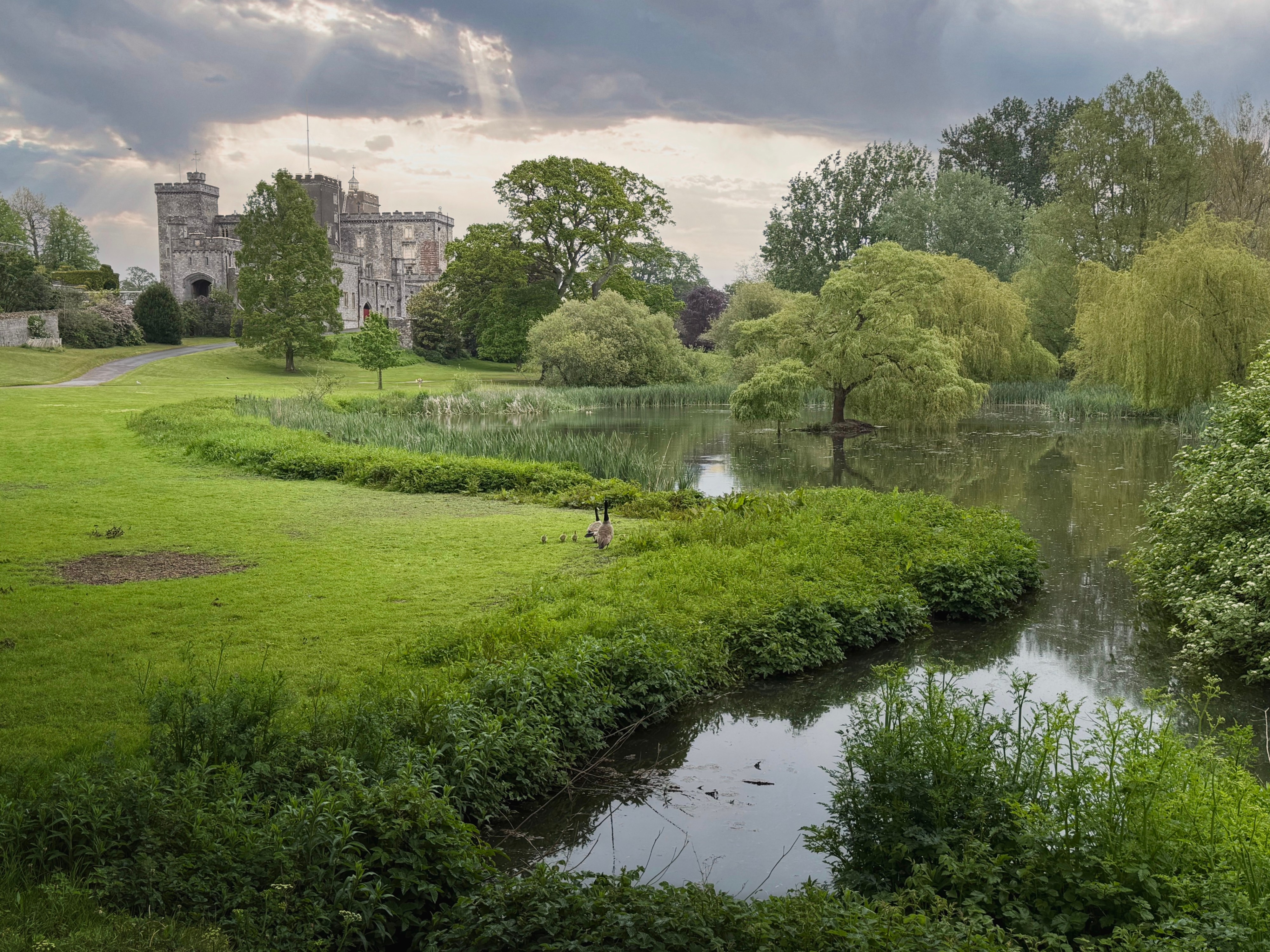
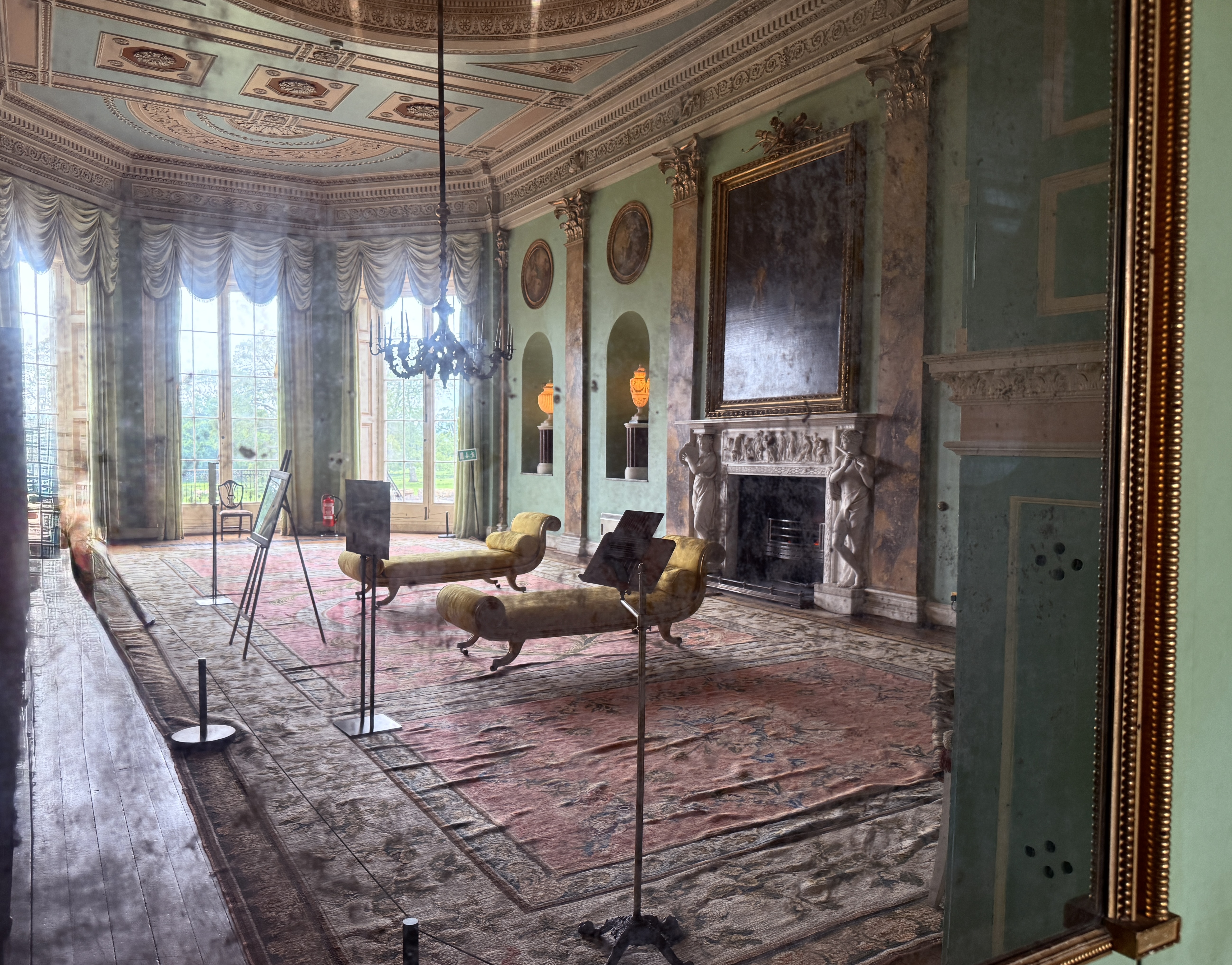
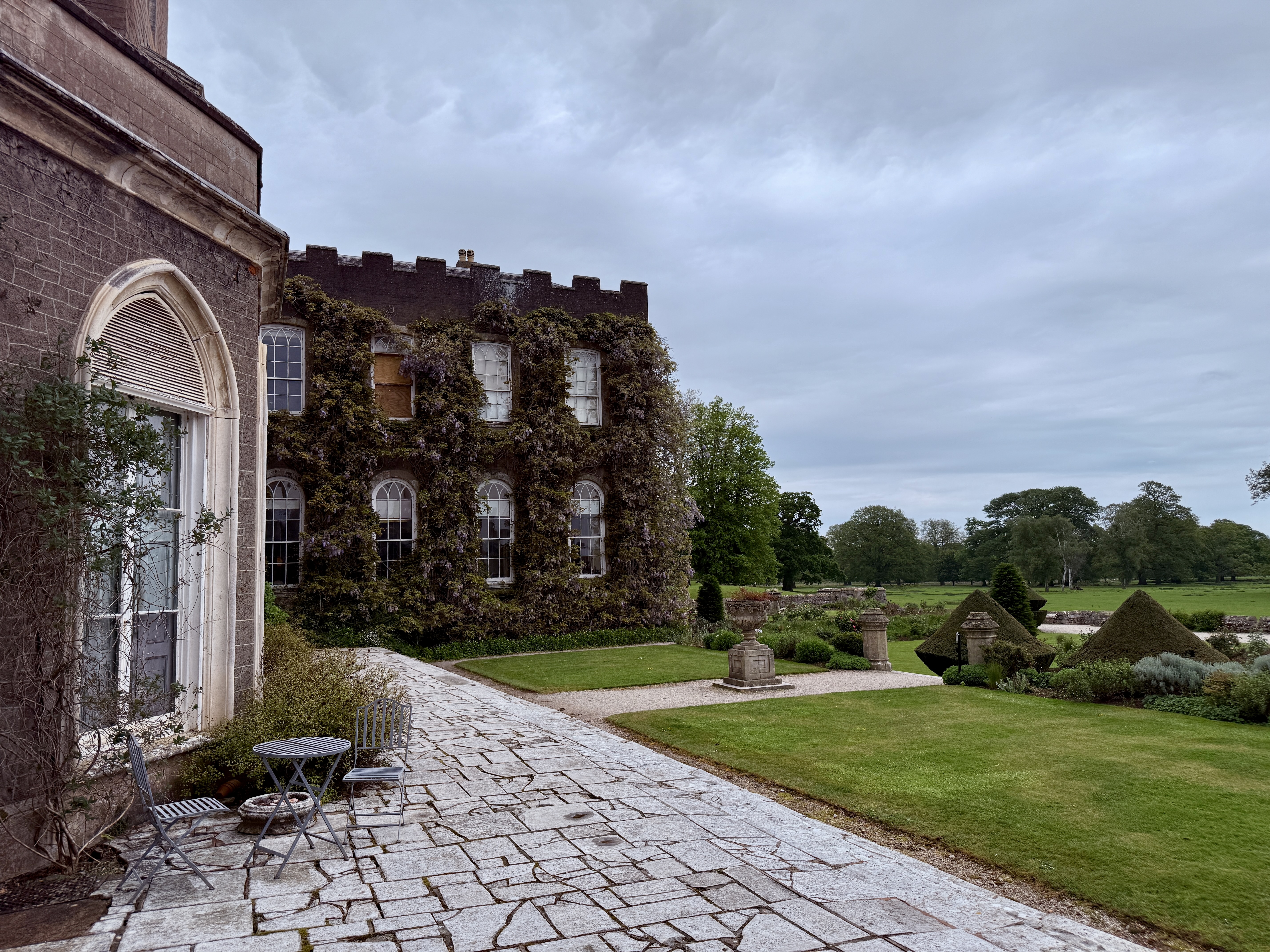
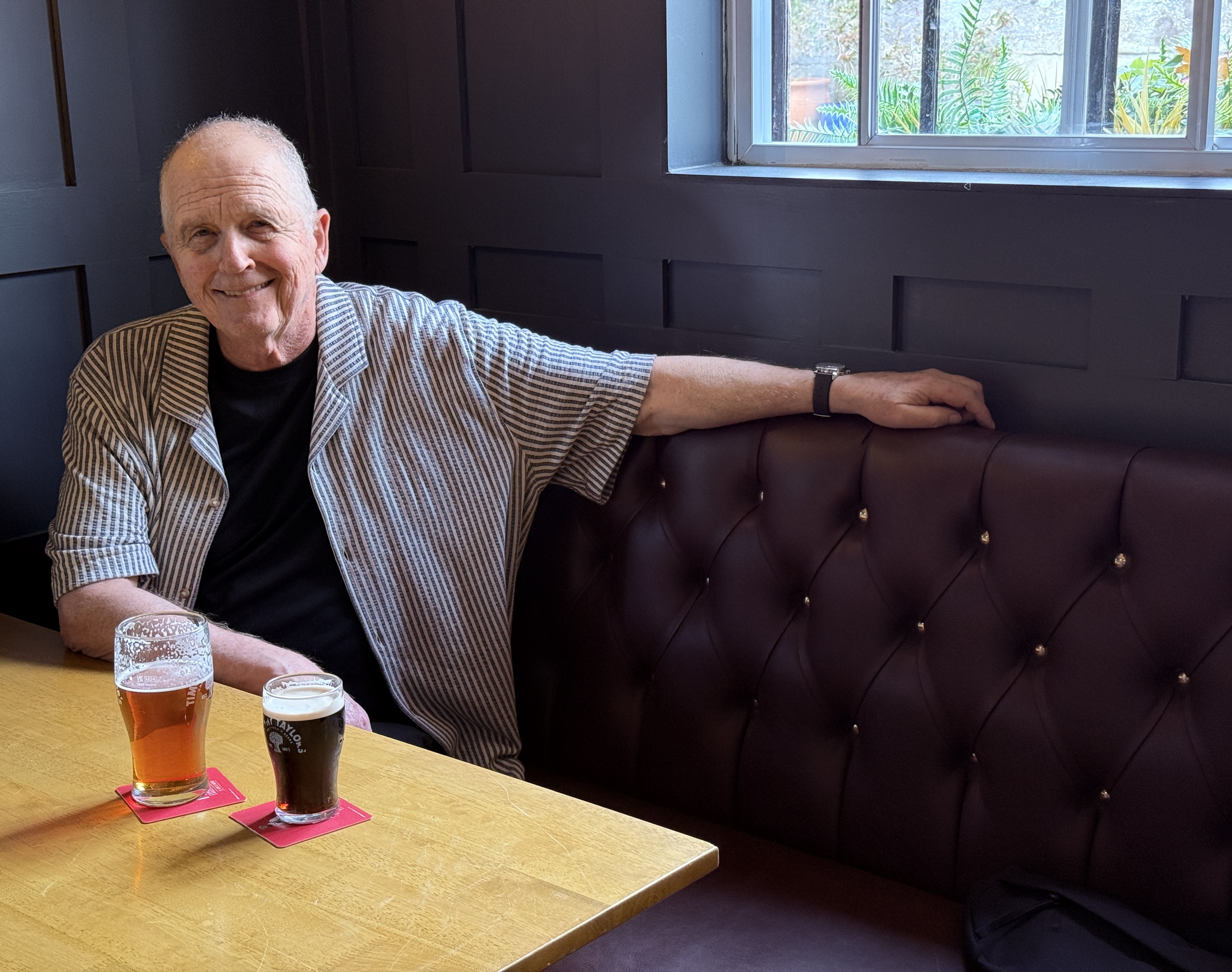
After a lengthy day of driving and sightseeing, we check into Mill Cottage, a peaceful restored mill not far from Lyme Regis. For dinner, we choose a locals hangout, the Pymore Inn, where Dave enjoys a pint of beer with a plate of fish and chips, and Anna savors grilled salmon and vegetables with a glass of sauvignon blanc.
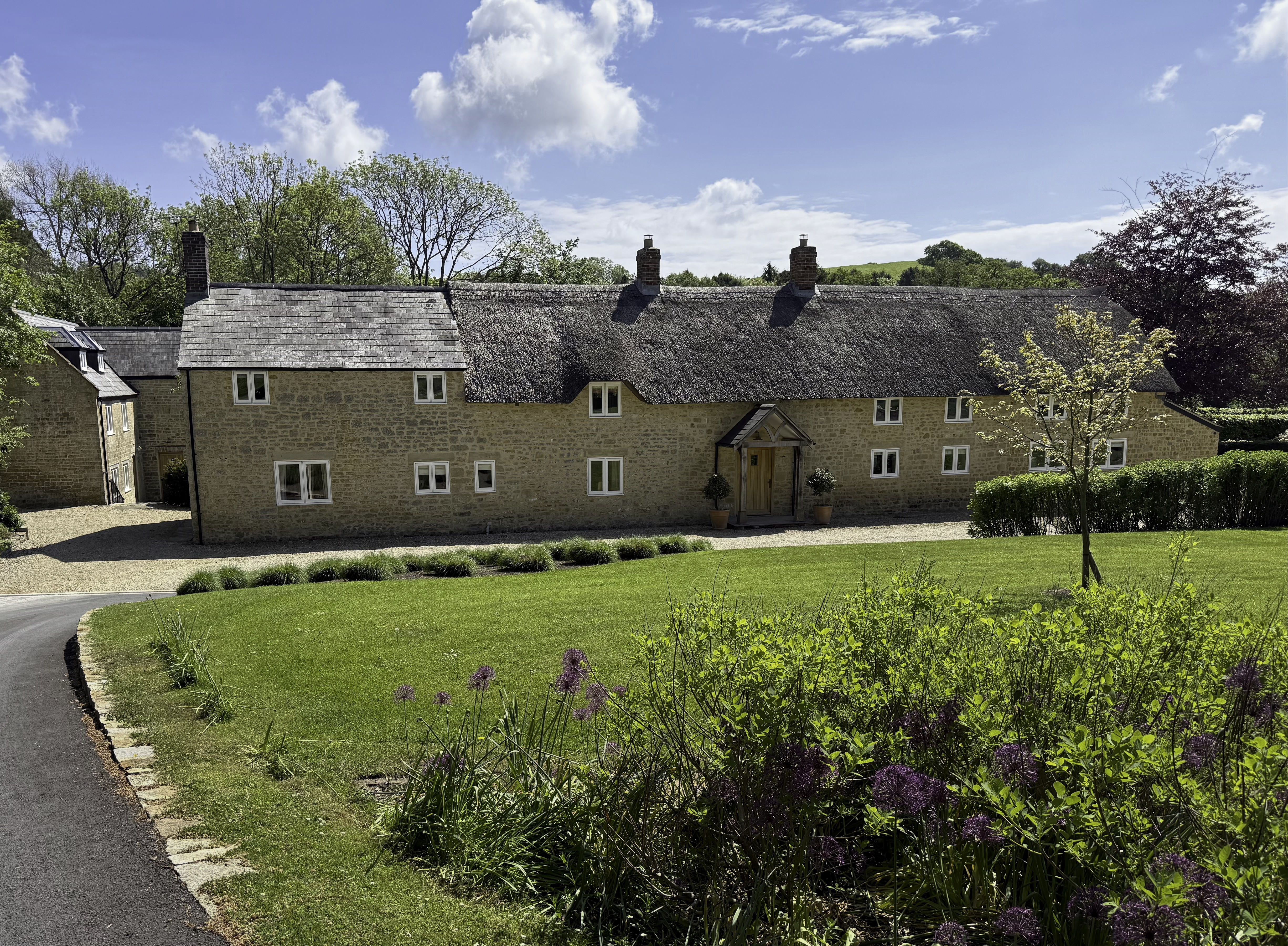
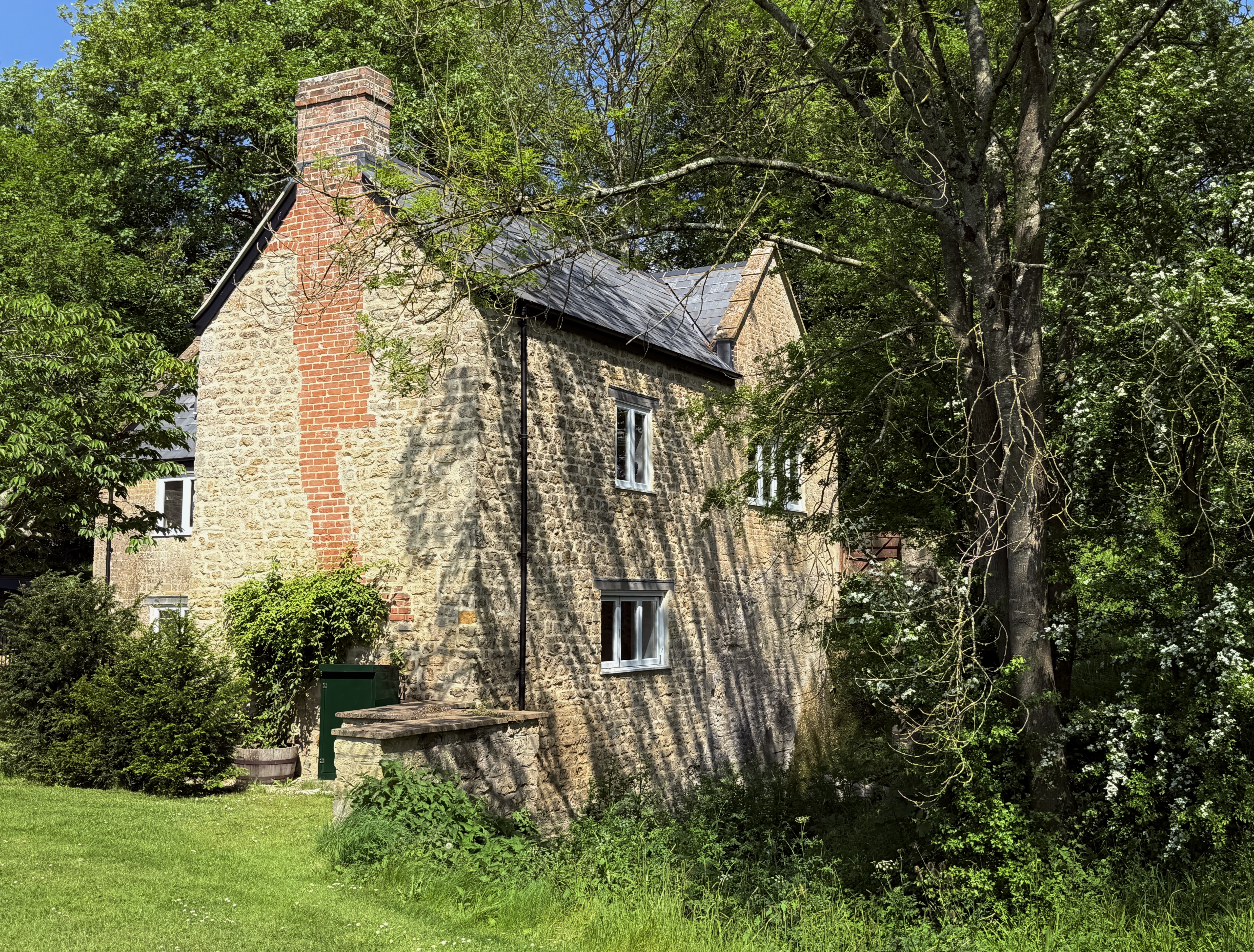
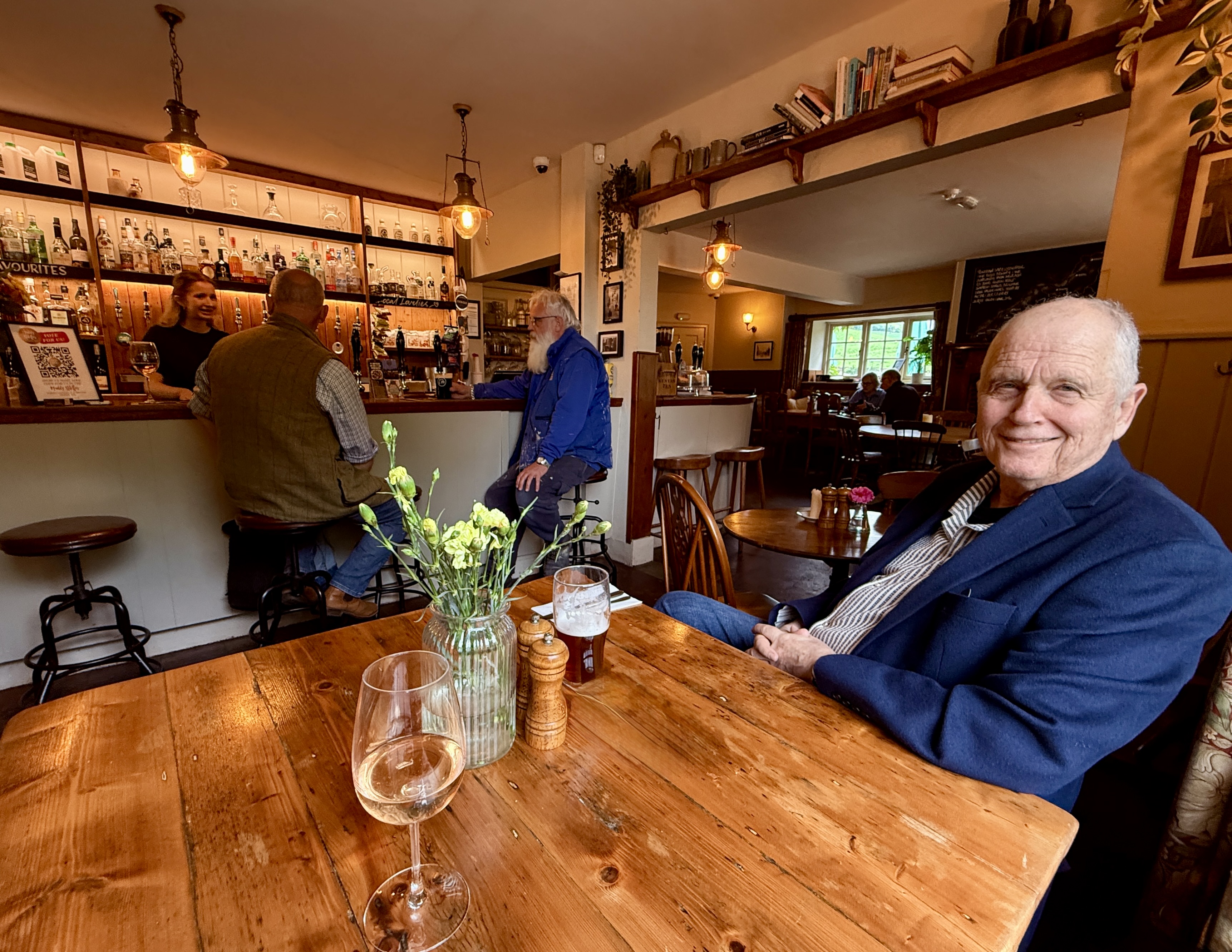
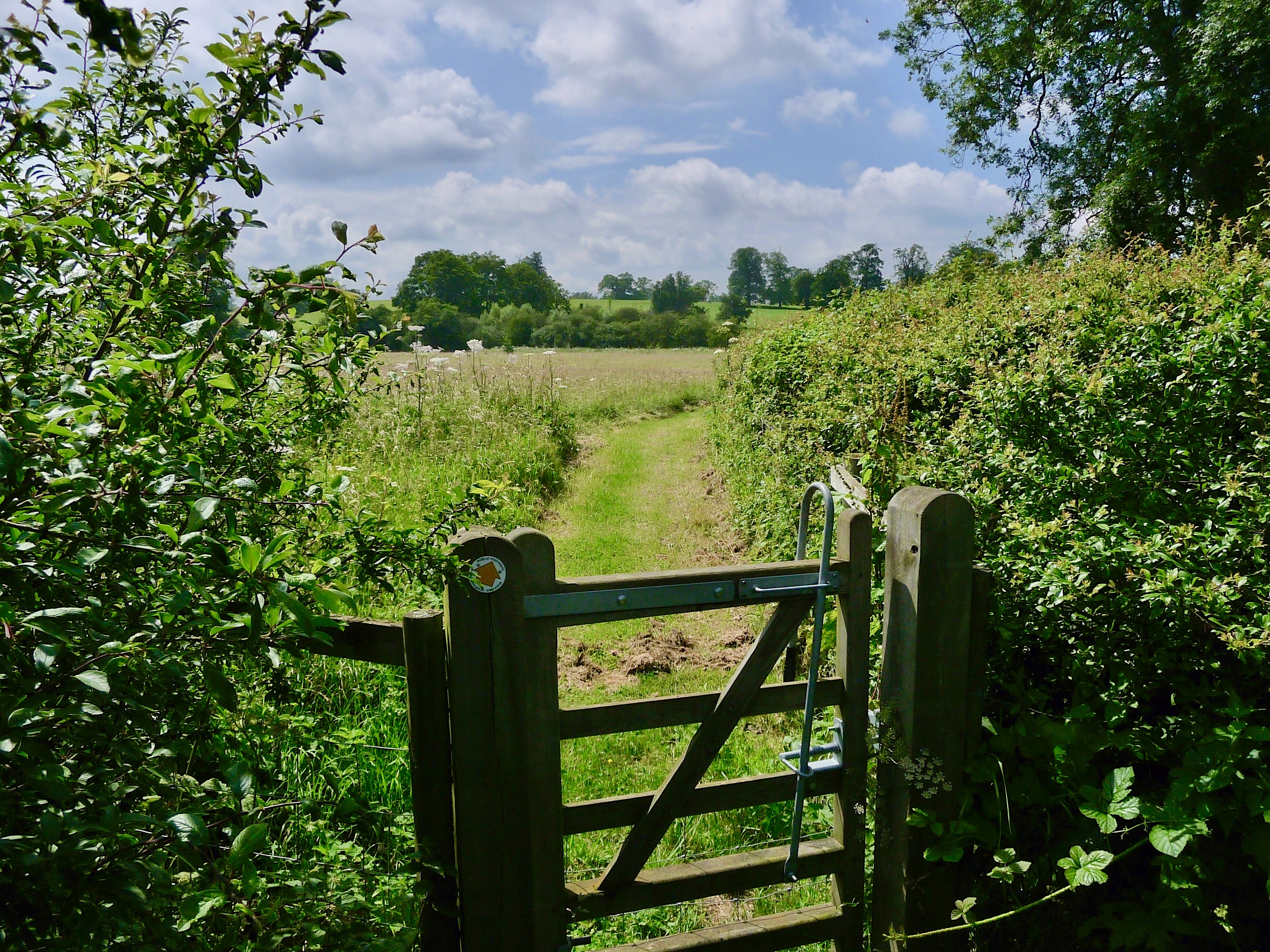
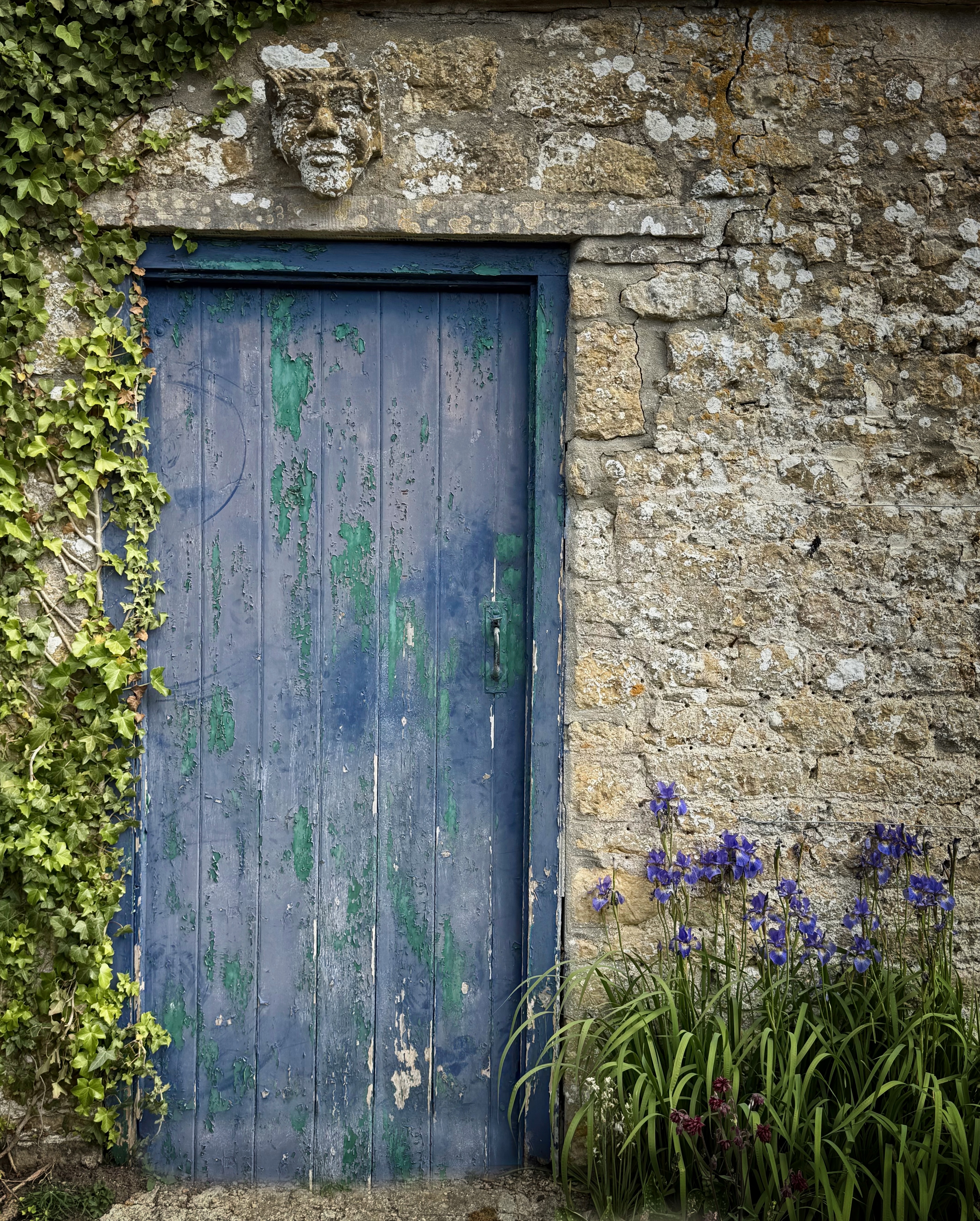
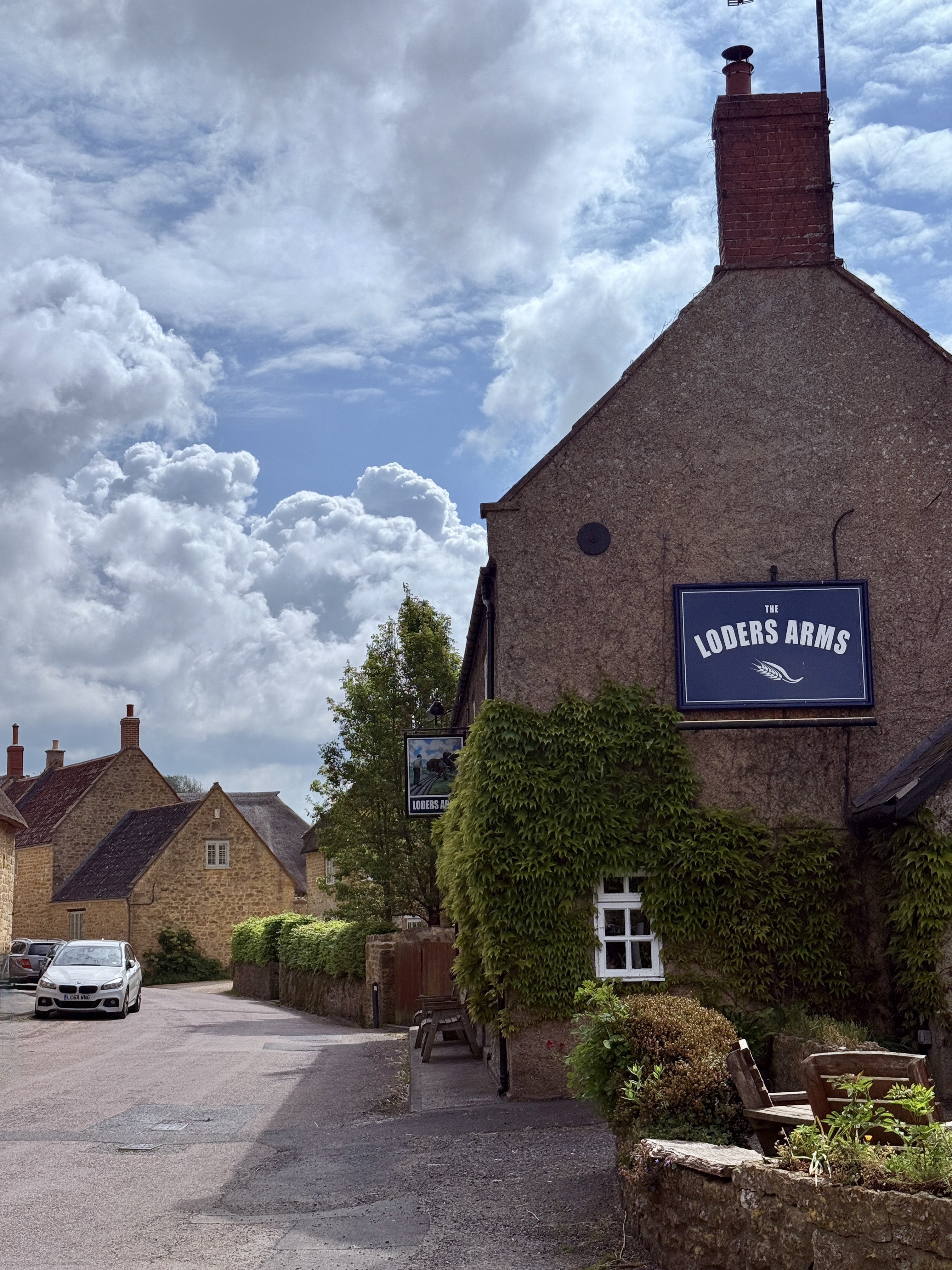
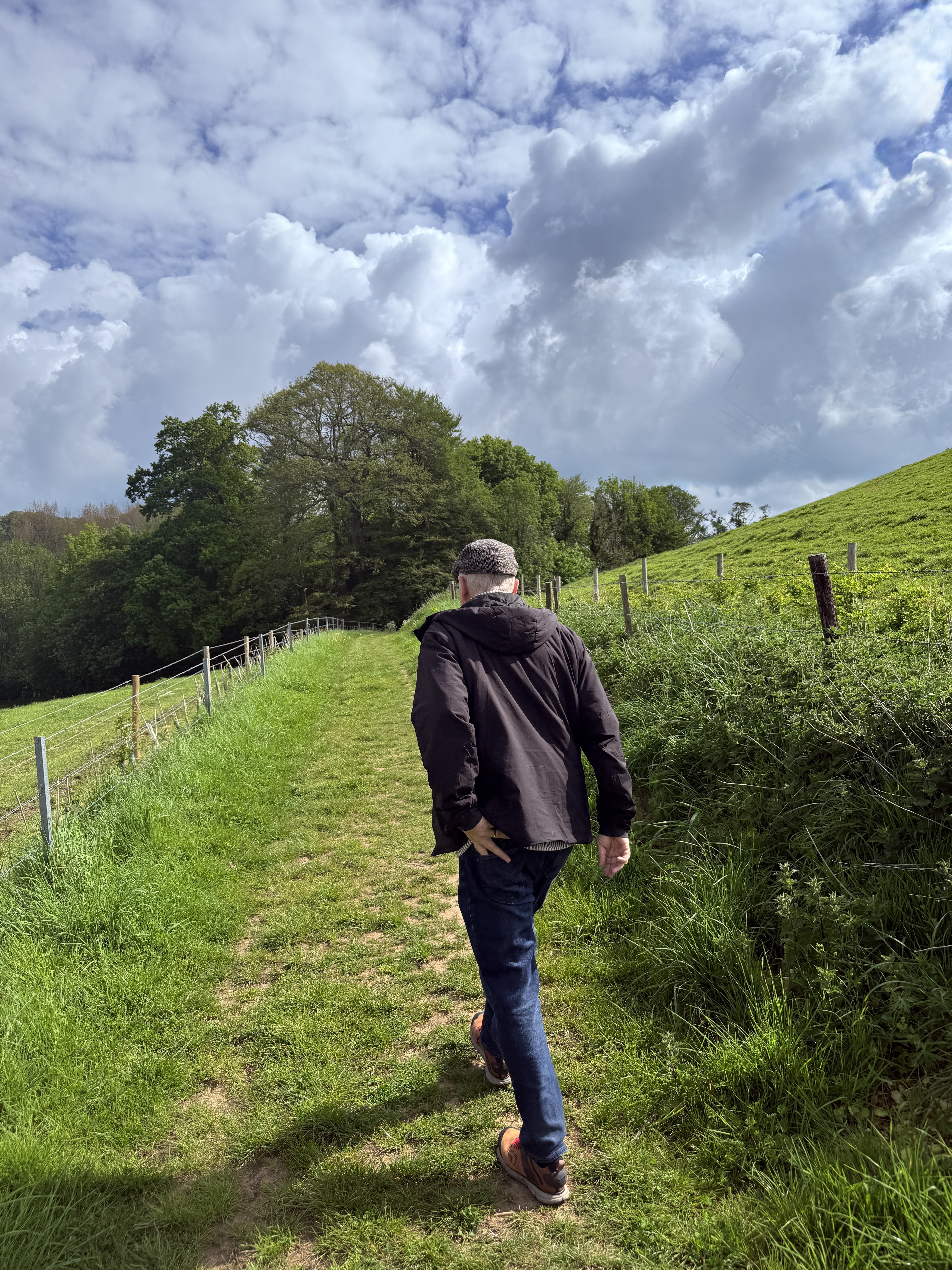
The next morning we start the day with a footpath walk through neighboring fields and woods to the charming village of Louders. Wandering the network of public footpaths that run like veins throughout the countryside is one of the aspects of English life that Anna misses most, and so it is a special treat to once again tread these ancient rights-of-way.
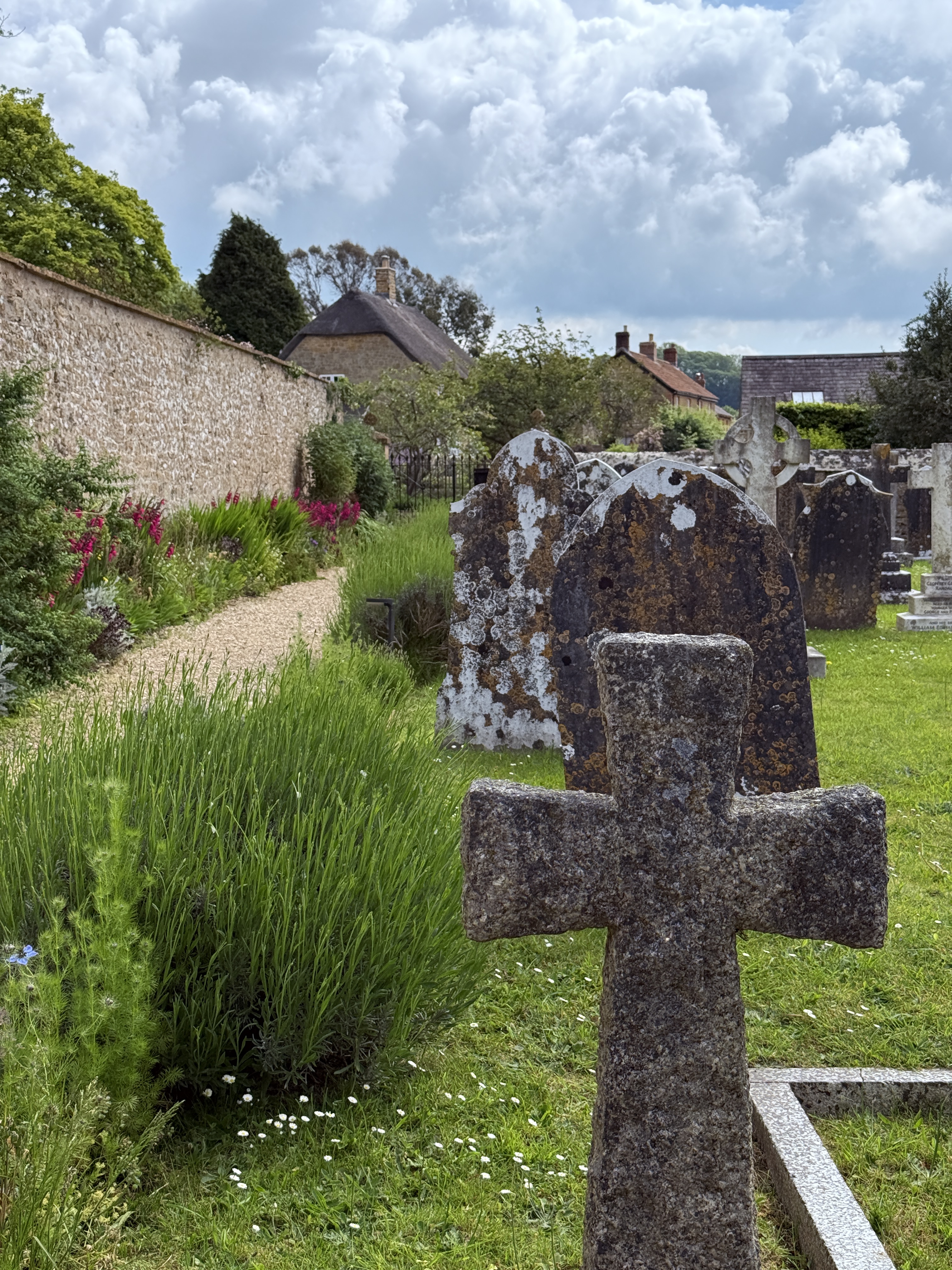
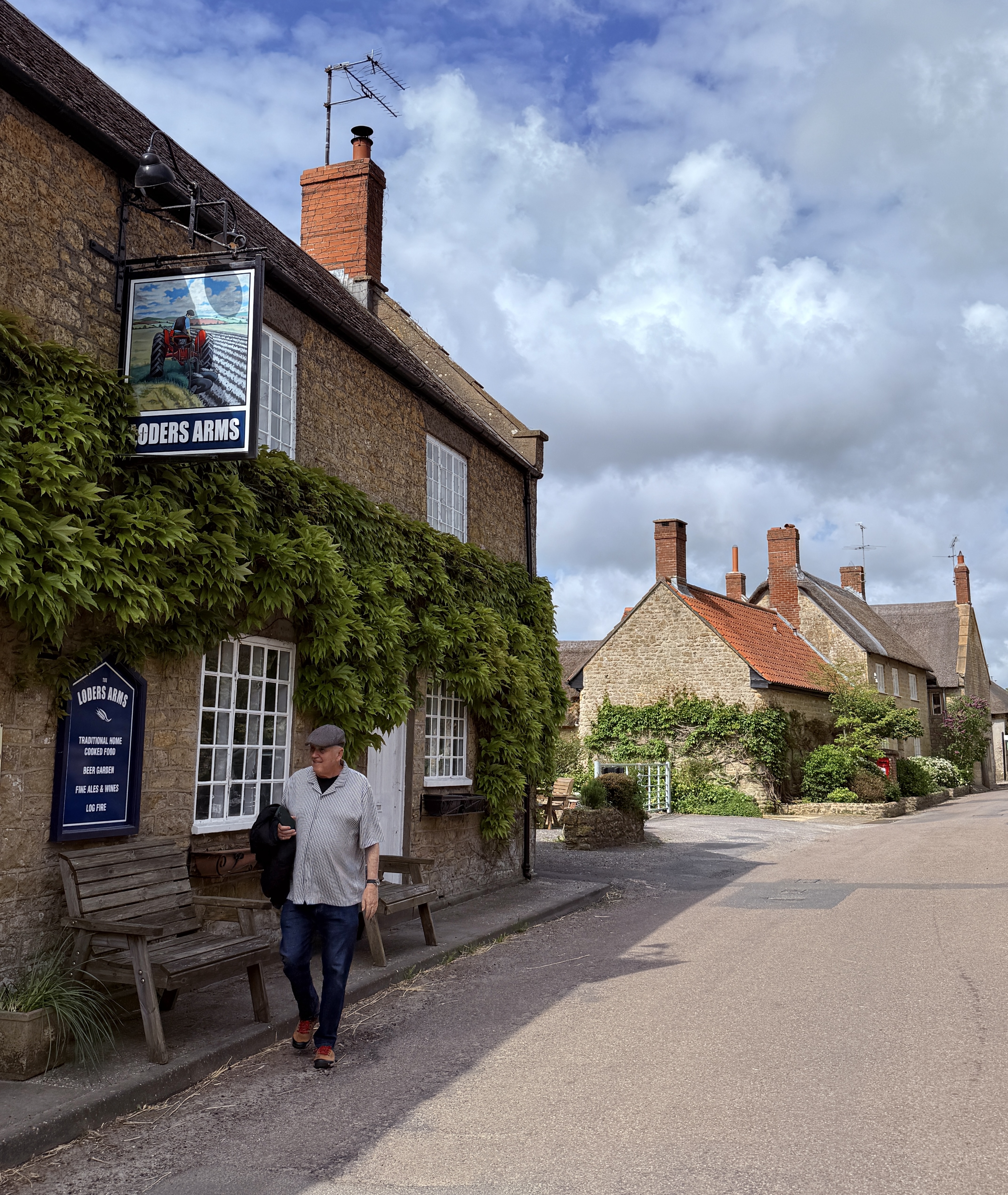
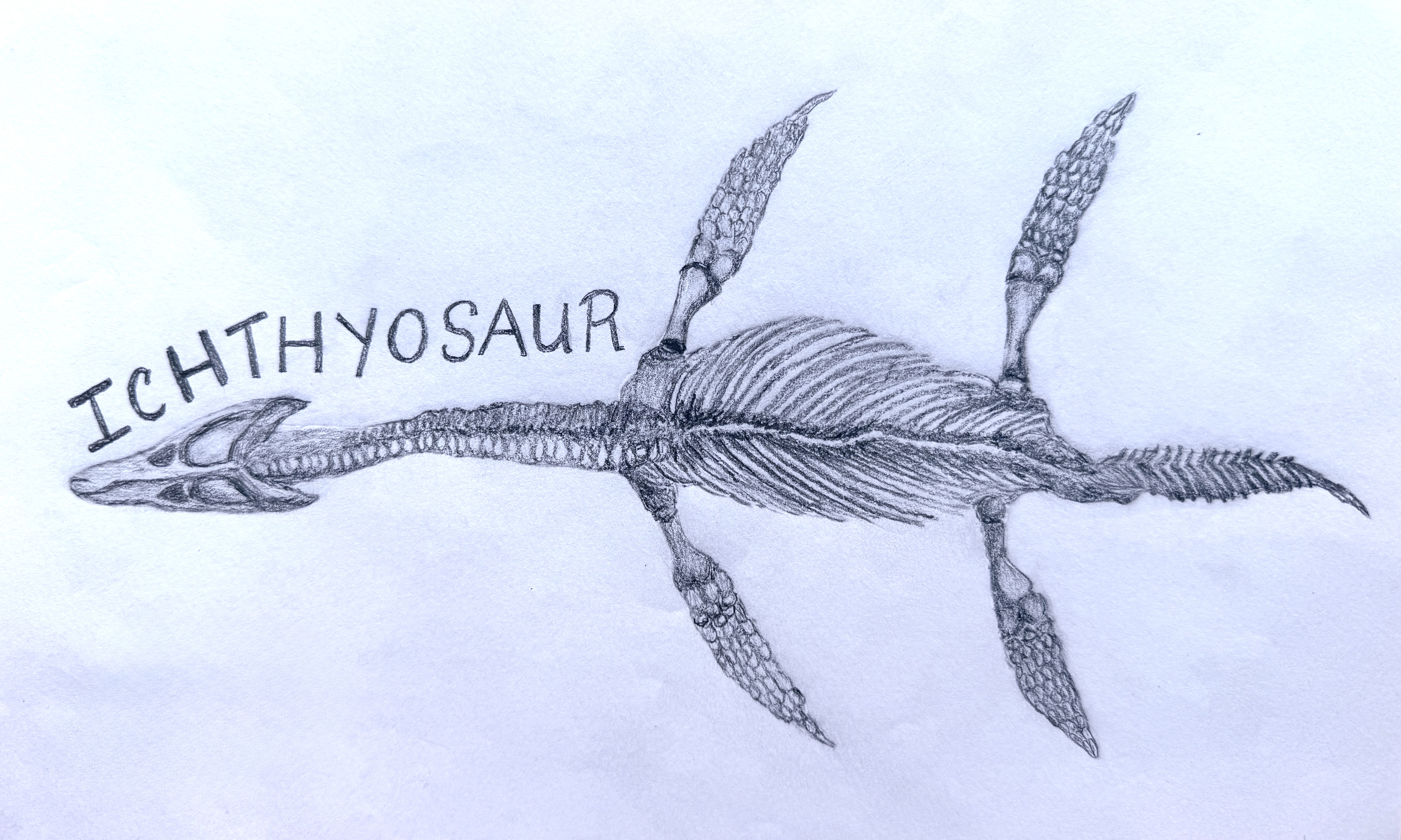
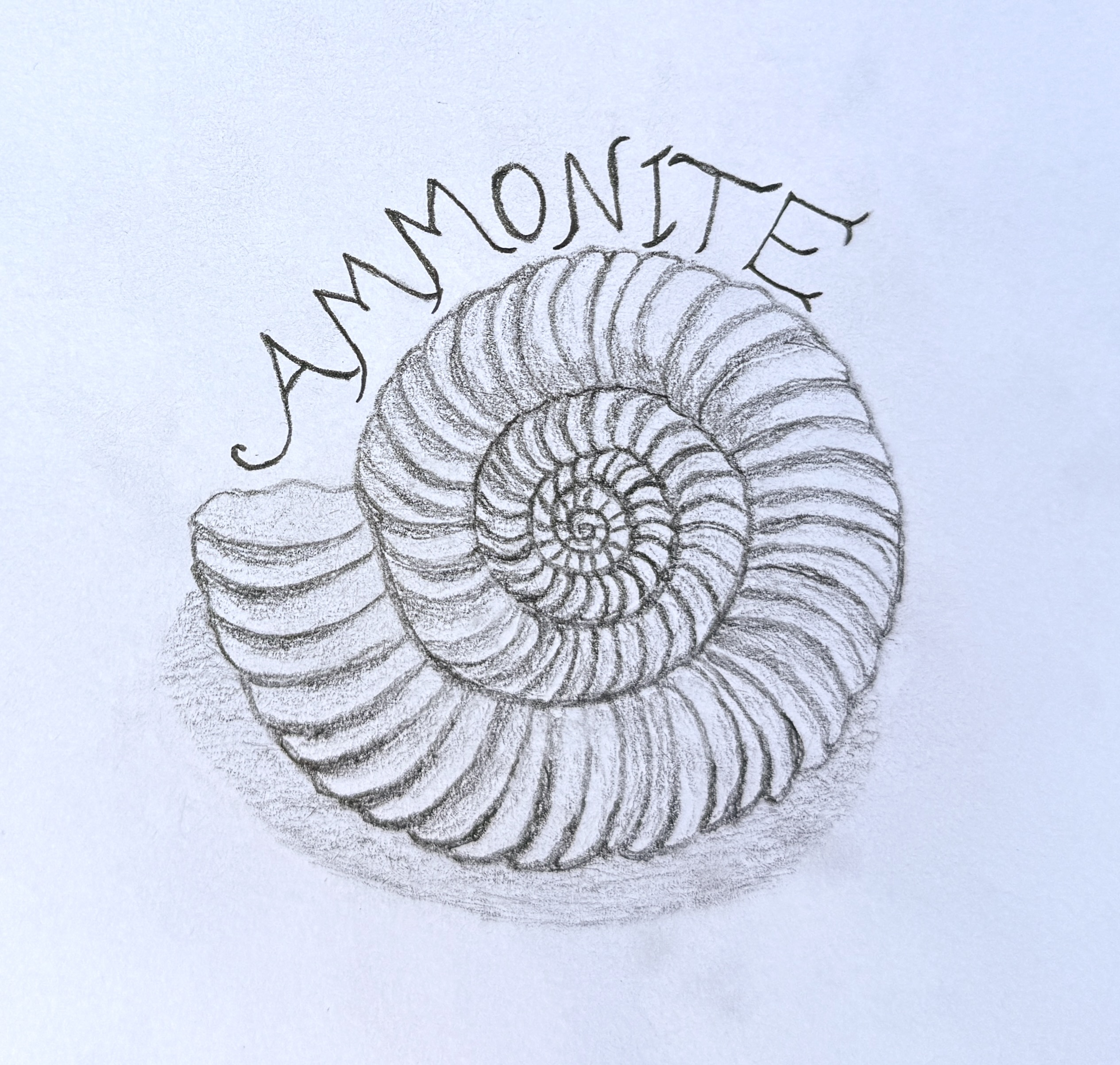
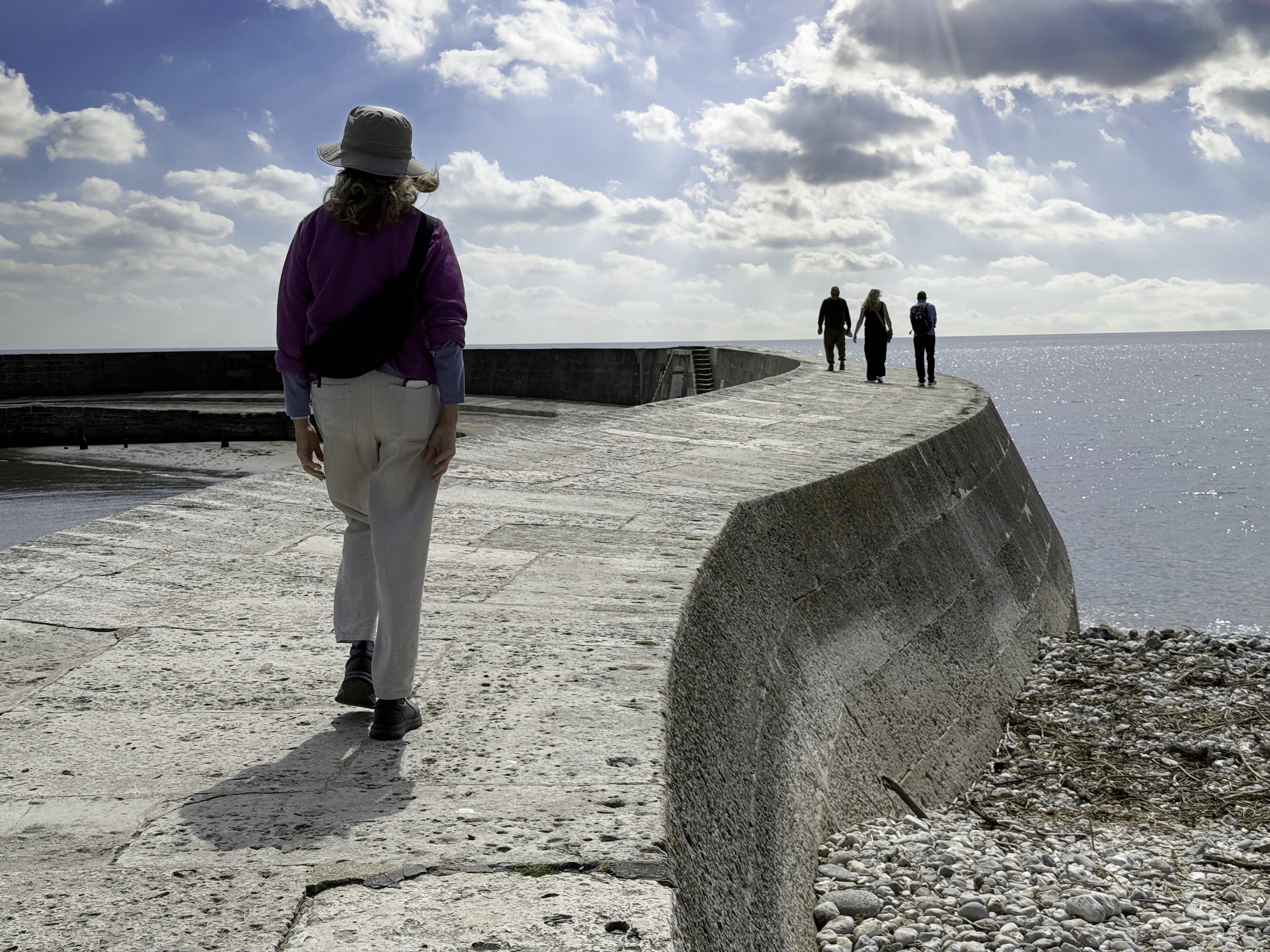
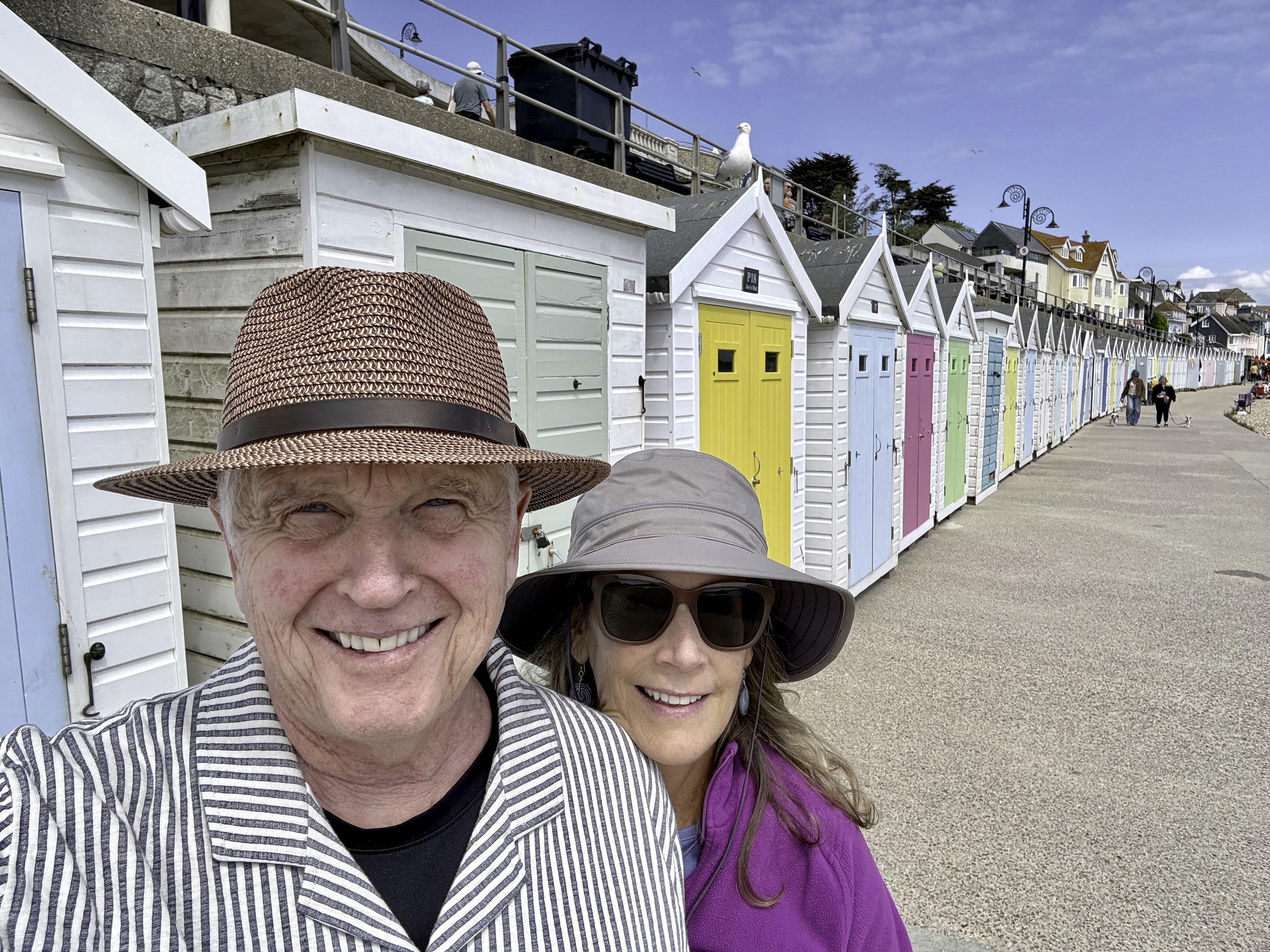
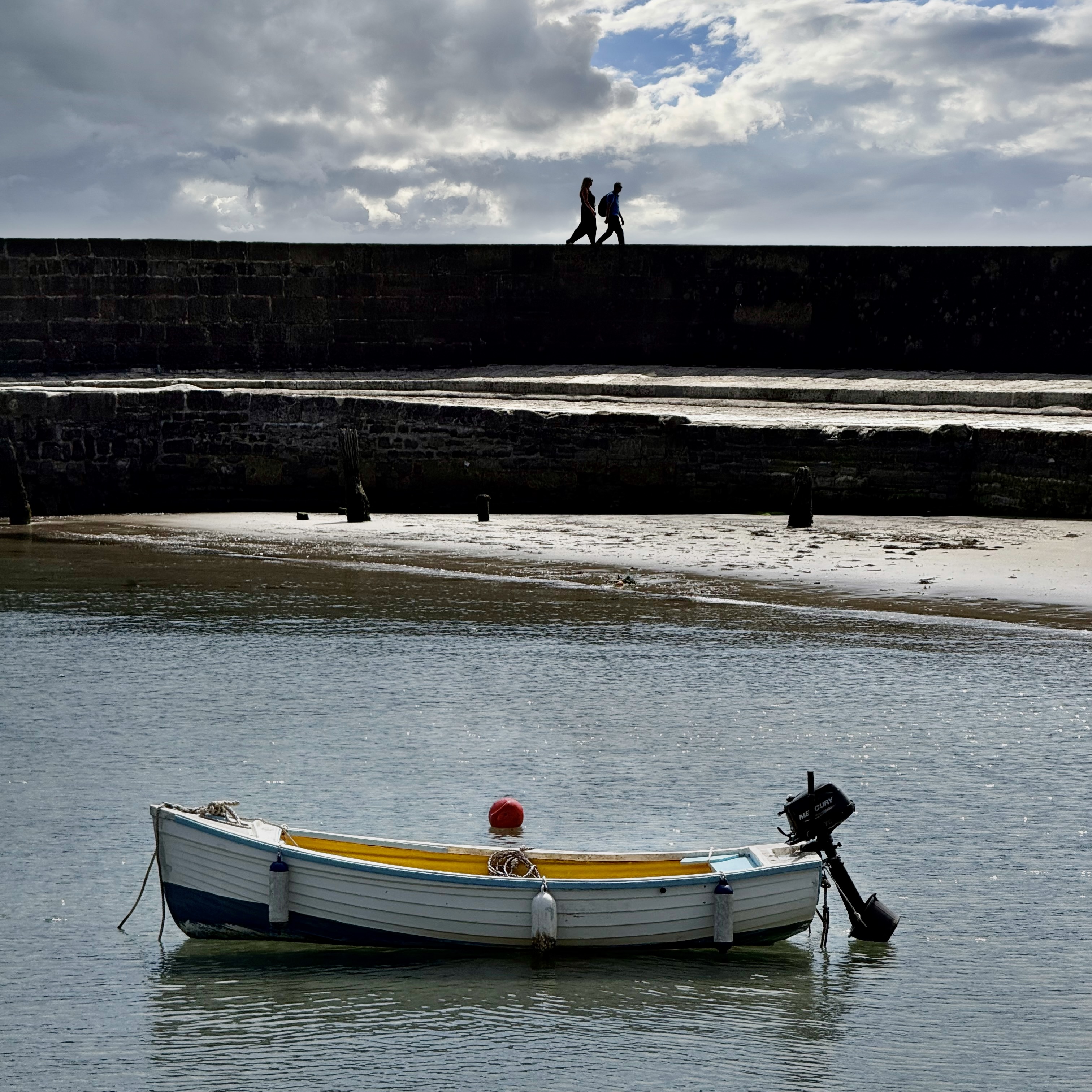
In the afternoon, we visit the historic seaside town of Lyme Regis, known as the “Pearl of Dorset,” and famous for its curved stone jetty known as The Cobb, featured in John Fowles’s The French Lieutenant’s Woman and Jane Austen’s Persuasion, and for its fossil-rich Jurassic Coast. It was here, in 1811, that Mary Anning, a self-taught paleontologist, found what looked like a four-foot-alligator skull in the cliffs. With her brother’s help she carefully began excavating her find, eventually revealing the full skeleton of the first Ichthyosaurus (“fish-lizard”) the world had ever seen.
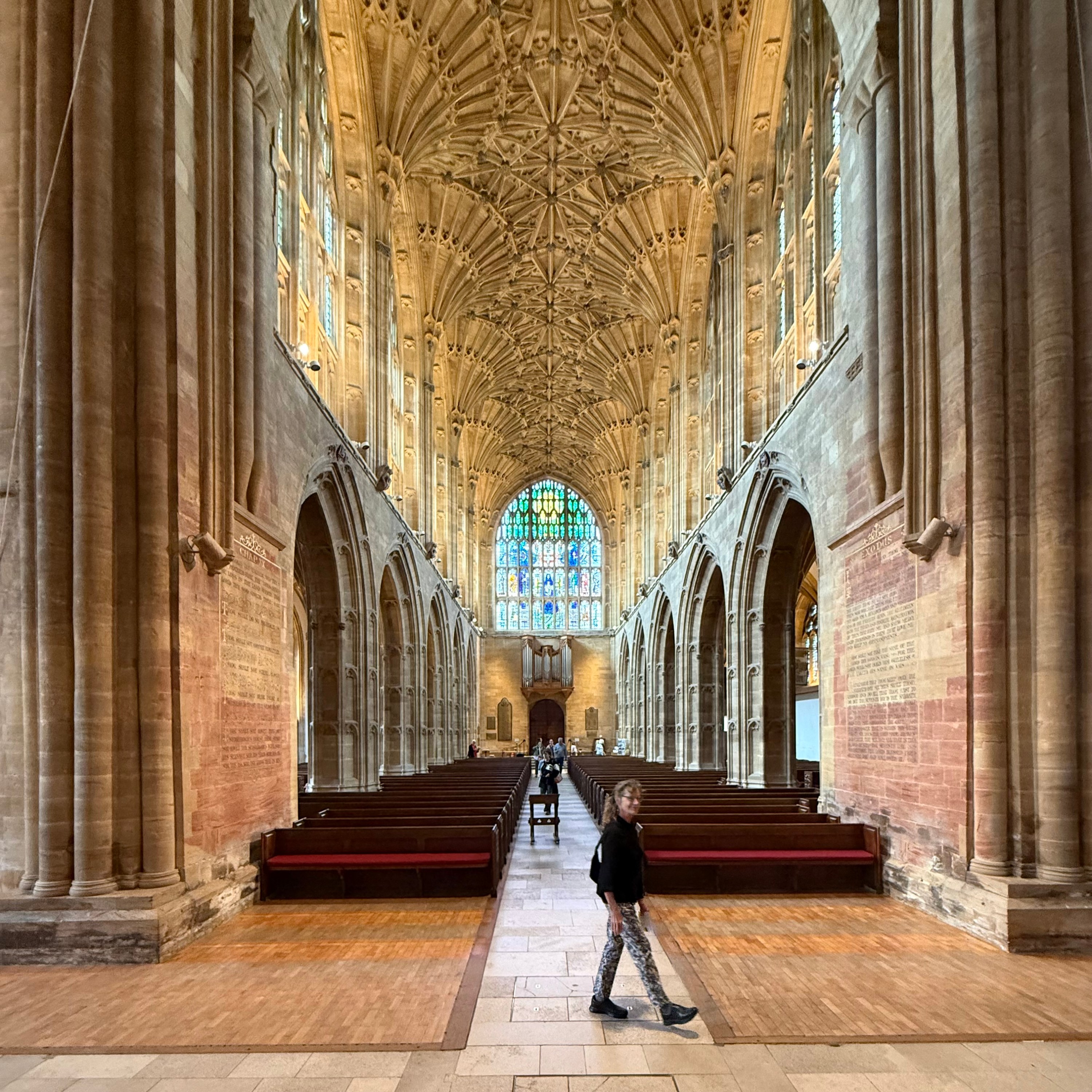
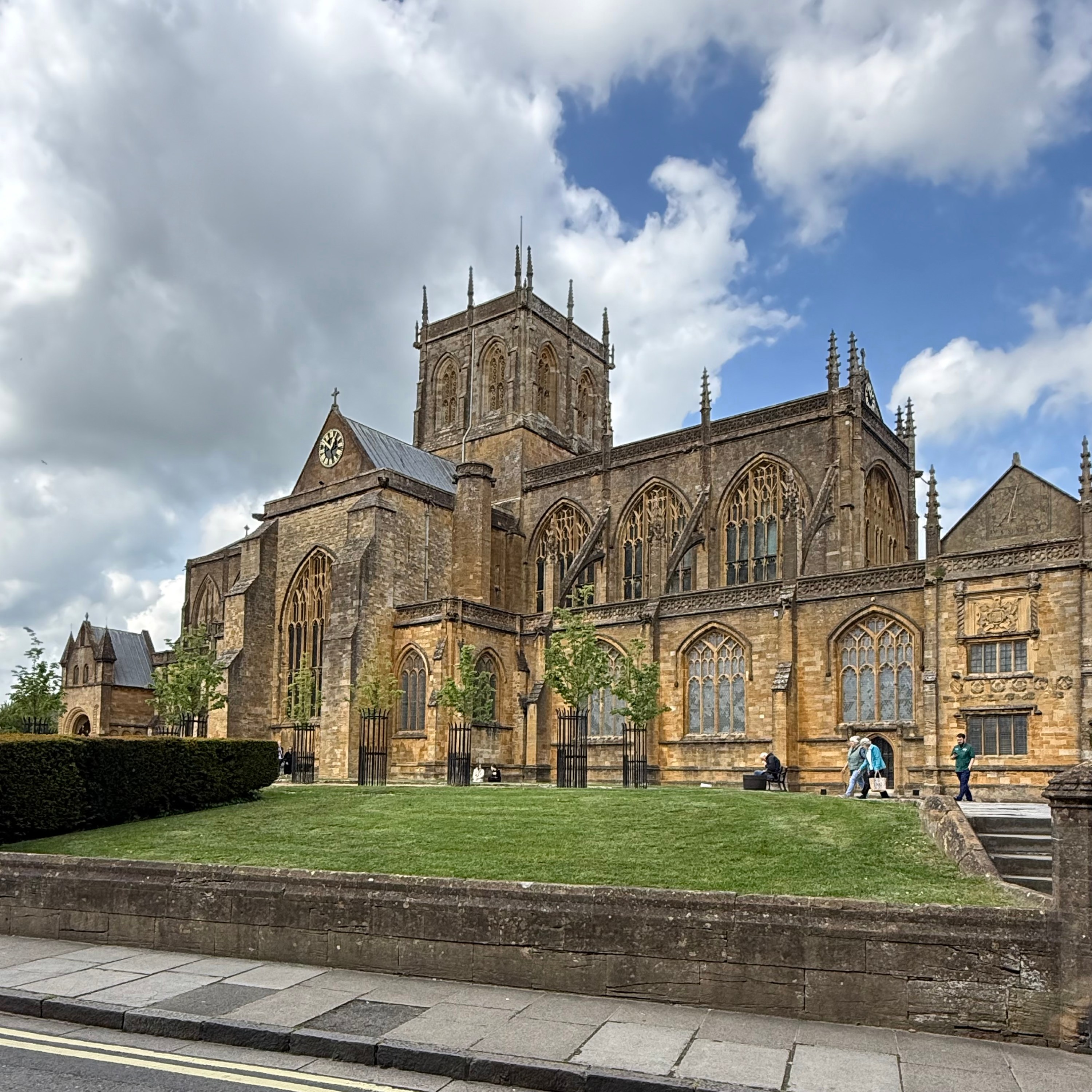
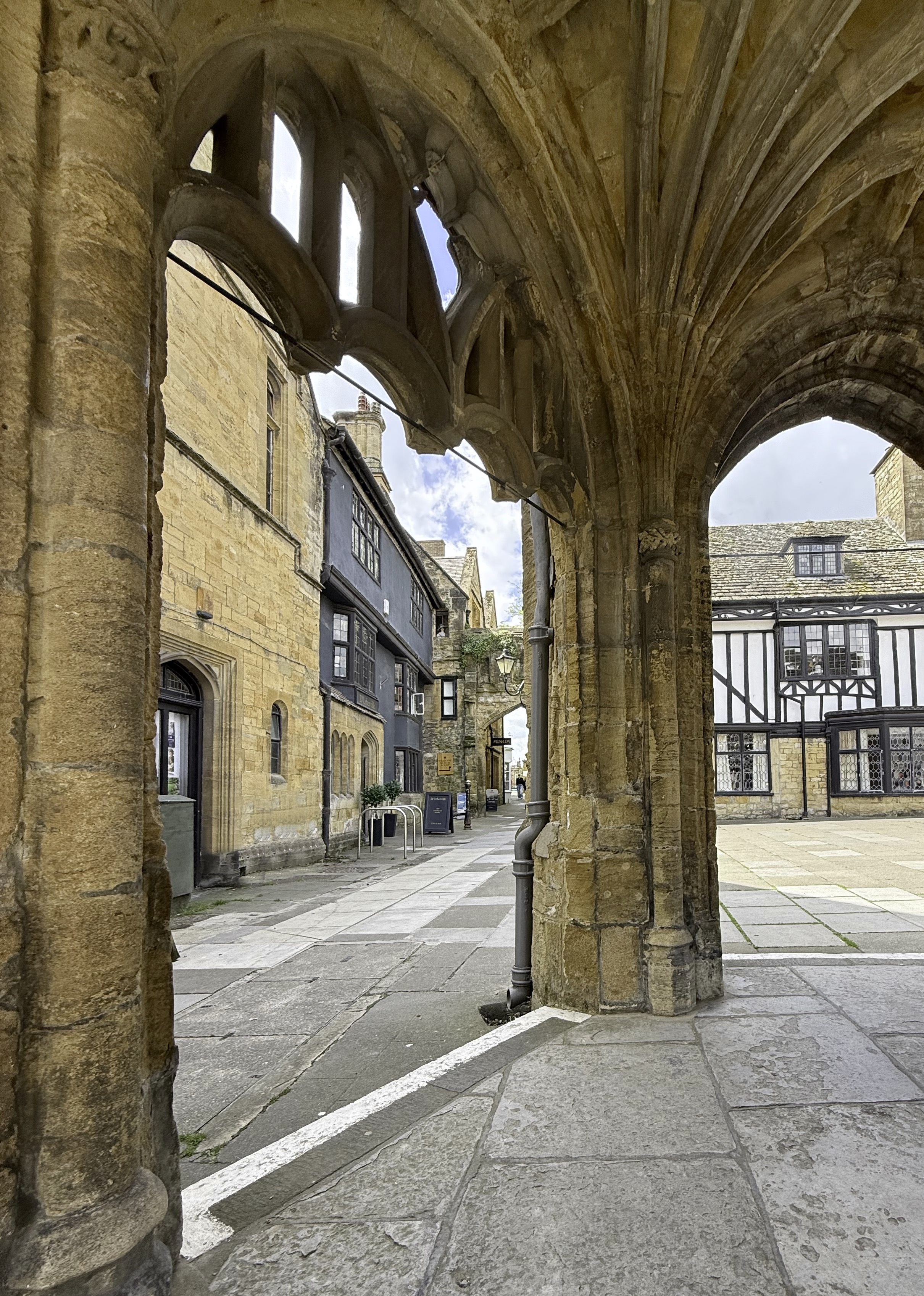
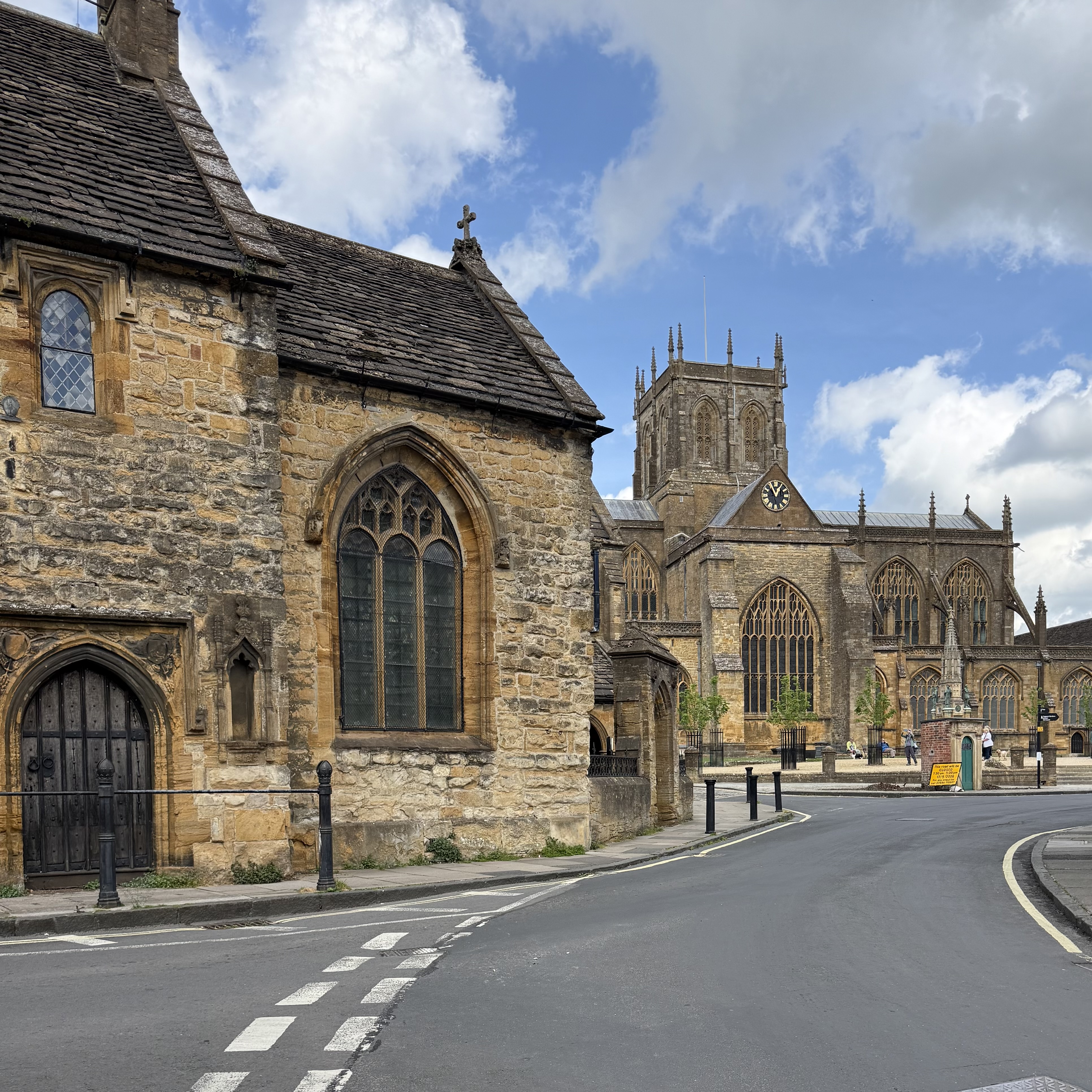
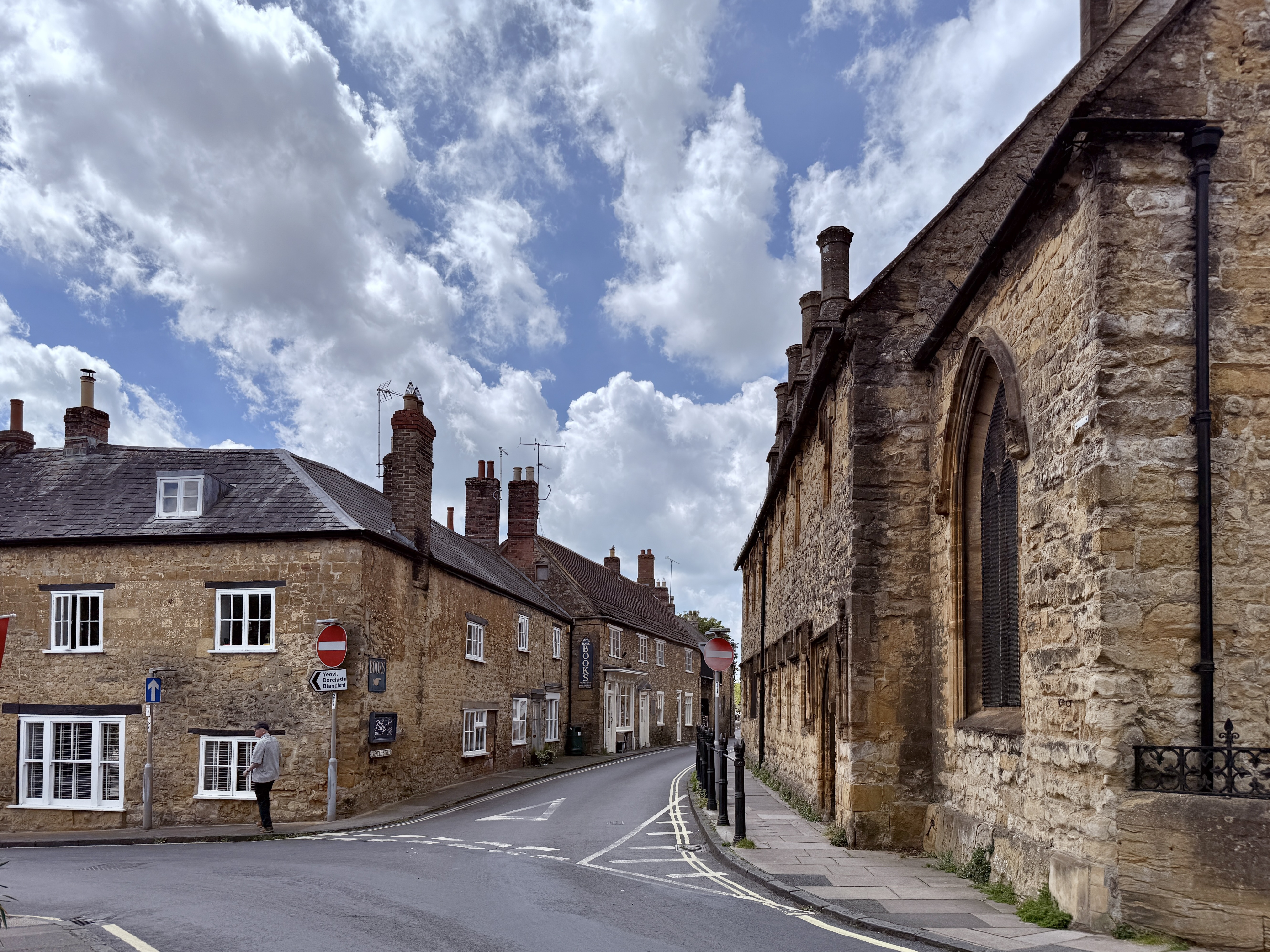
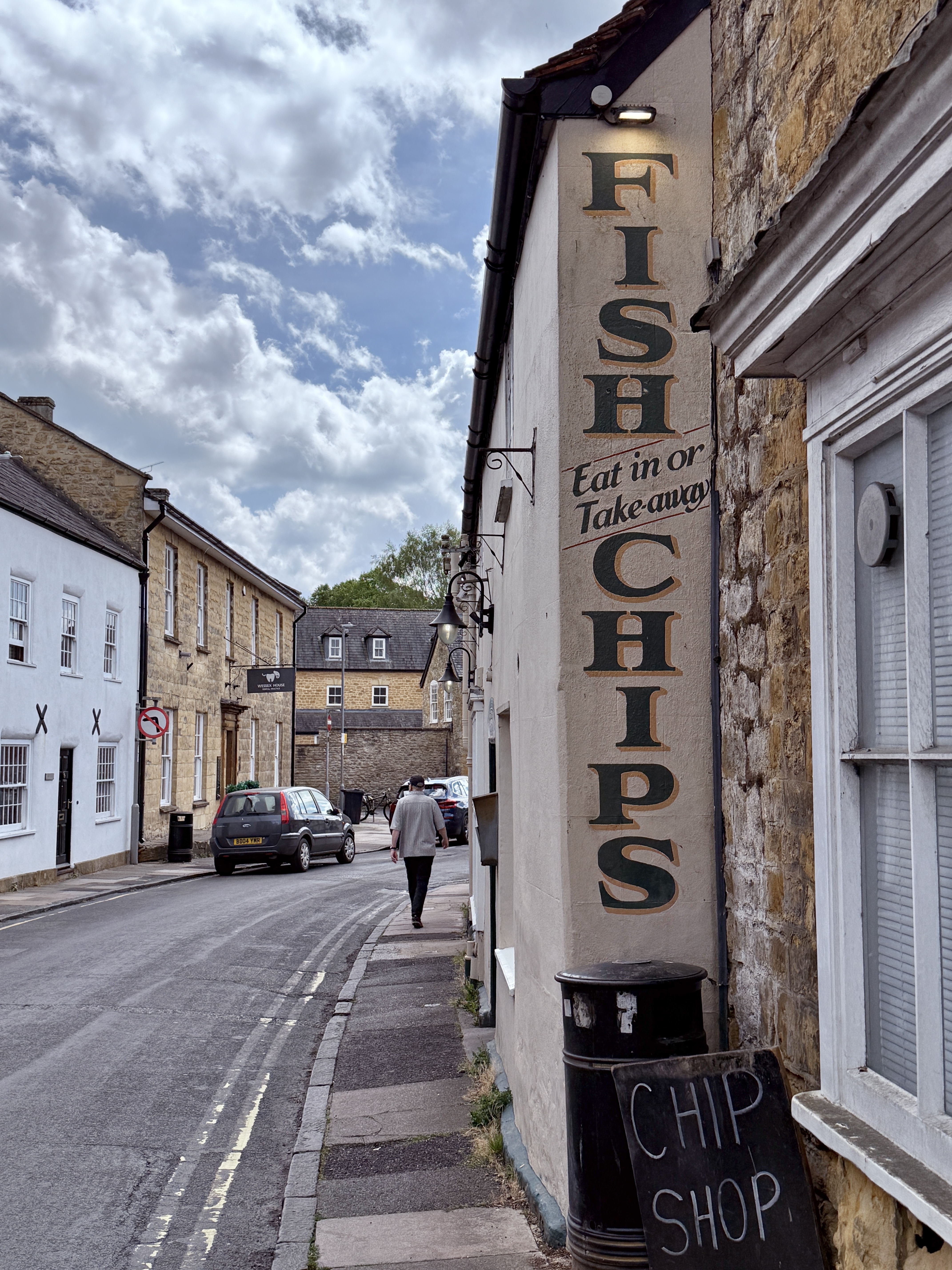
Now we head north to Bath, but this is England, and so there is no shortage of castles, abbeys, historic towns and villages to see along the way. Sherborne Castle is first on our list and we arrive just before lunch. The ticket office at the castle gate informs us that we must join a guided tour in order to see inside the castle, and the next one won’t start for an hour. We opt to skip the castle in favor of an impromptu tailgate picnic in the parking lot followed by a visit to the town, including the magnificent 15th-century fan-vaulted ceiling in Sherborne Abbey.
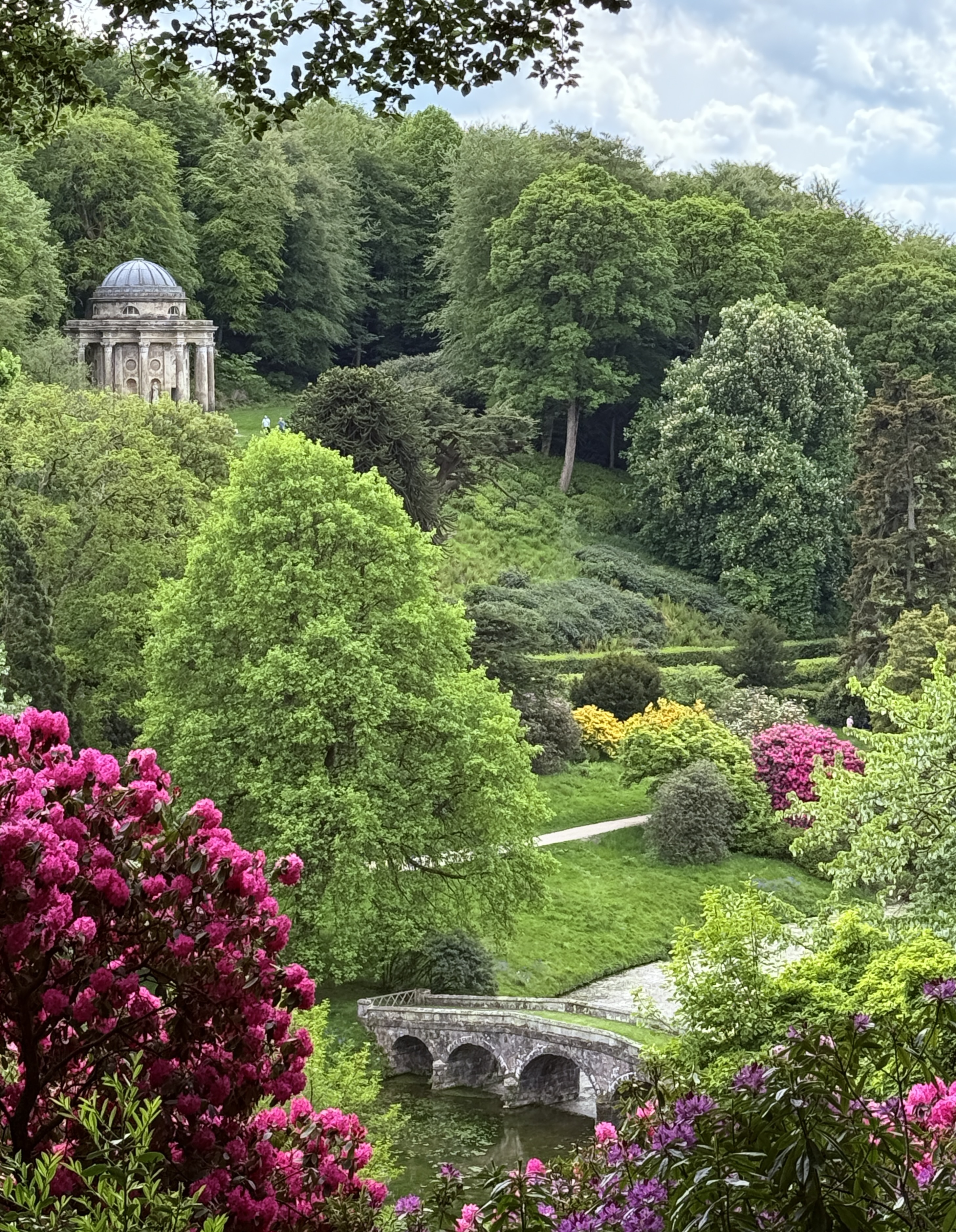
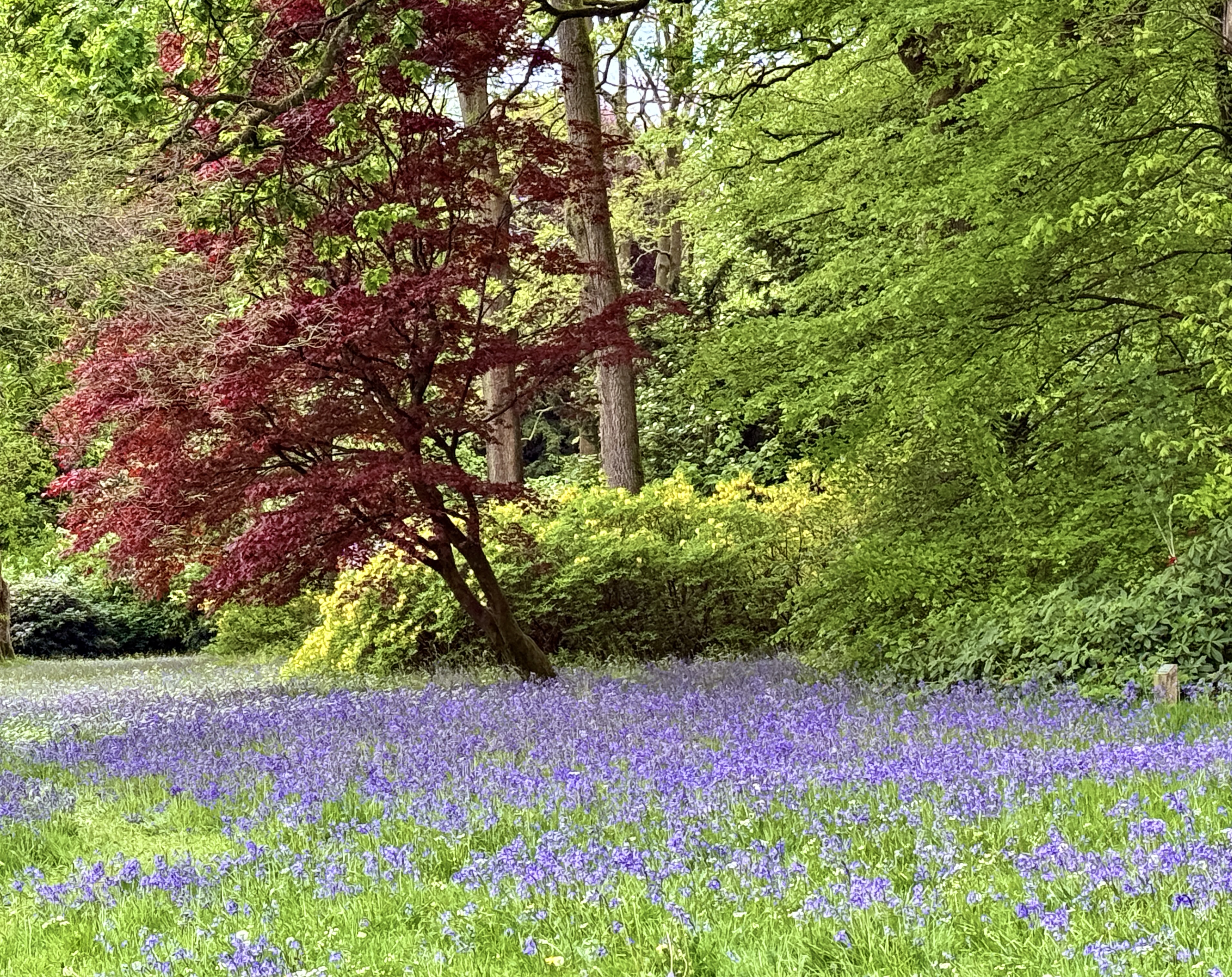
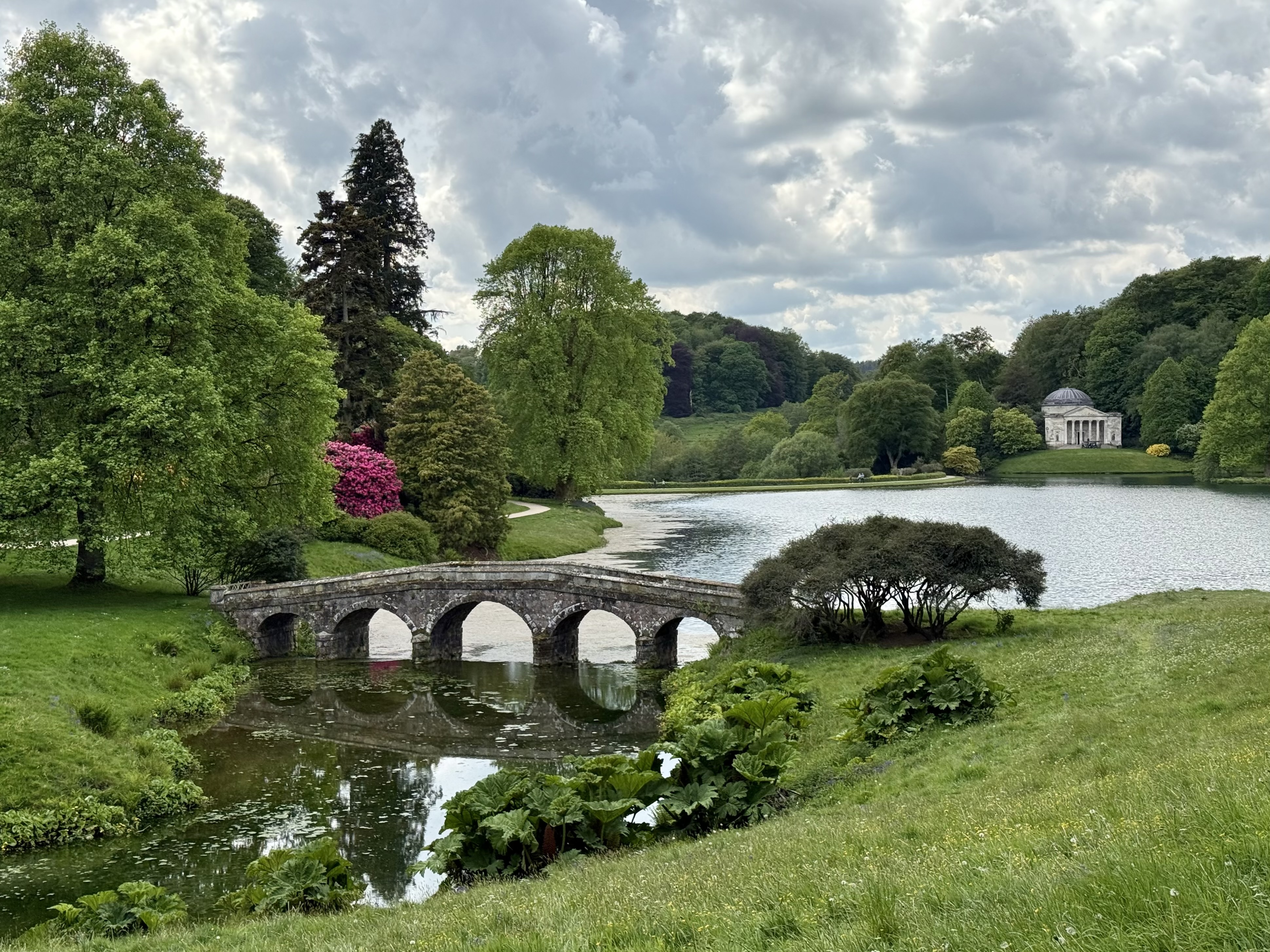
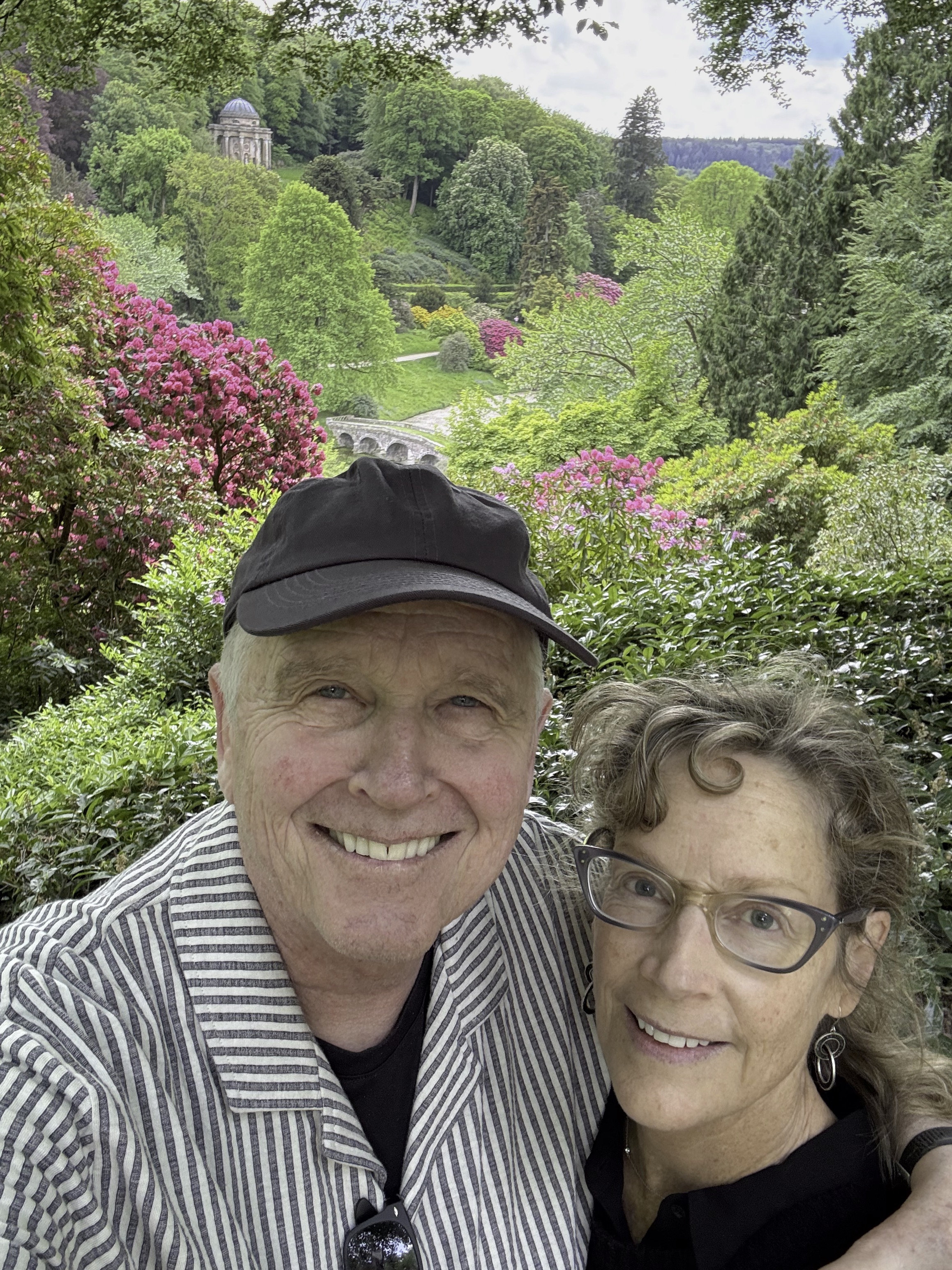
Further along our route, we decide to visit a National Trust property called Stourhead, and are very glad we did, for we are thrilled to discover a living work of art; a vast garden paradise of trees, bushes, flowers and monuments arranged around a reflecting lake. We ignore the Palladian style Stourhead House to wander the many paths that wind through miles of beautifully landscaped grounds before continuing on our way to the town of Bath.
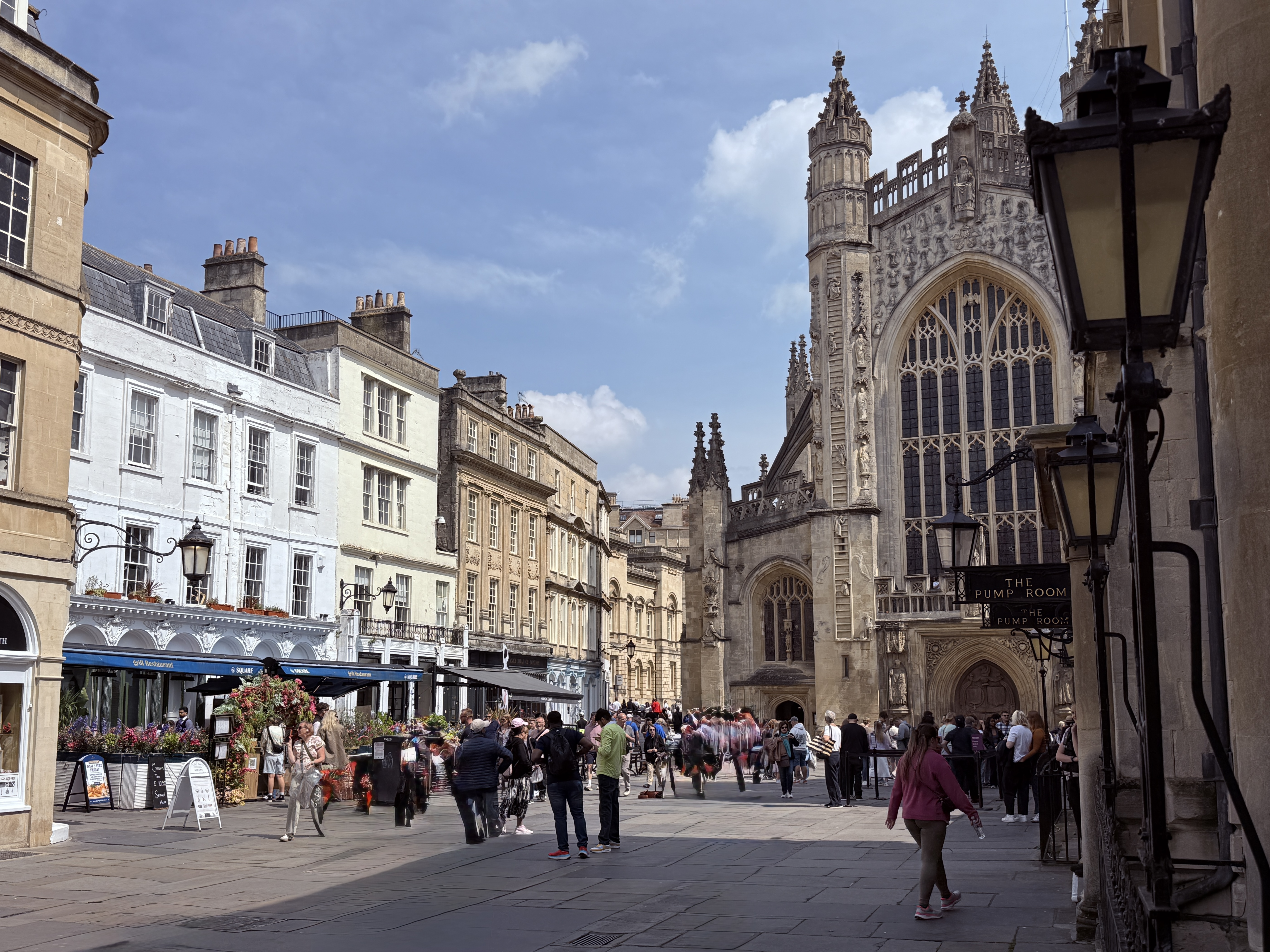
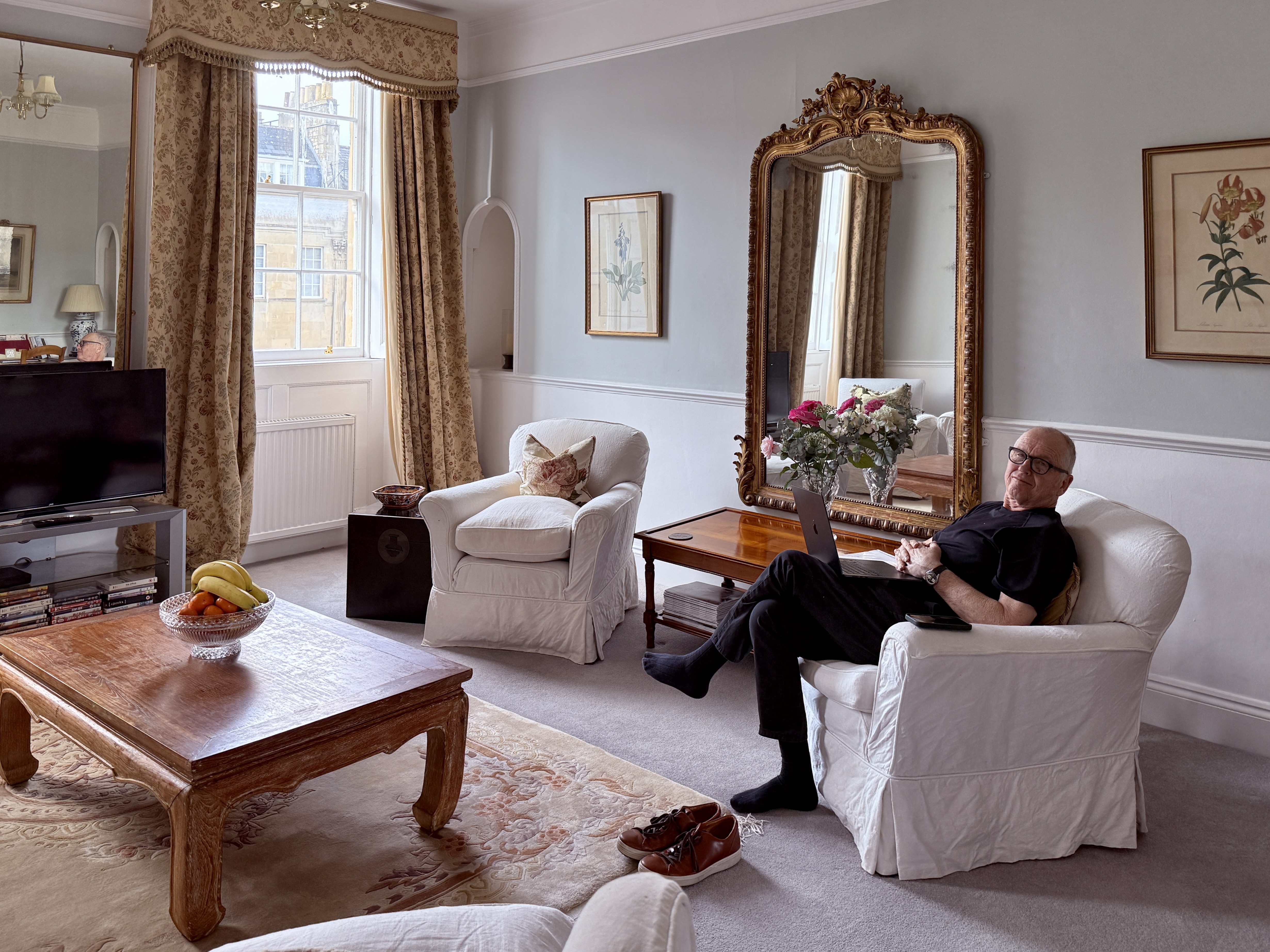
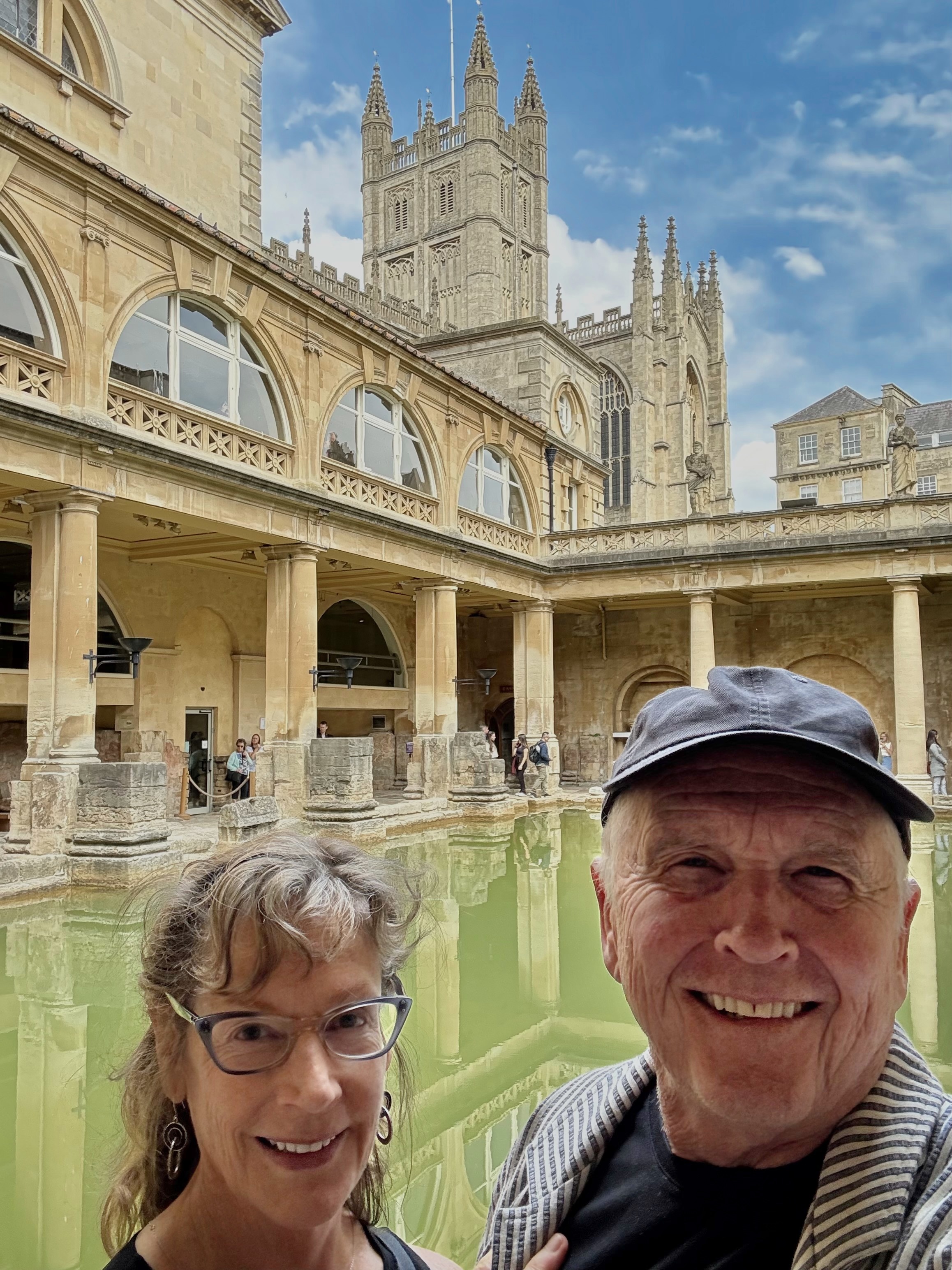
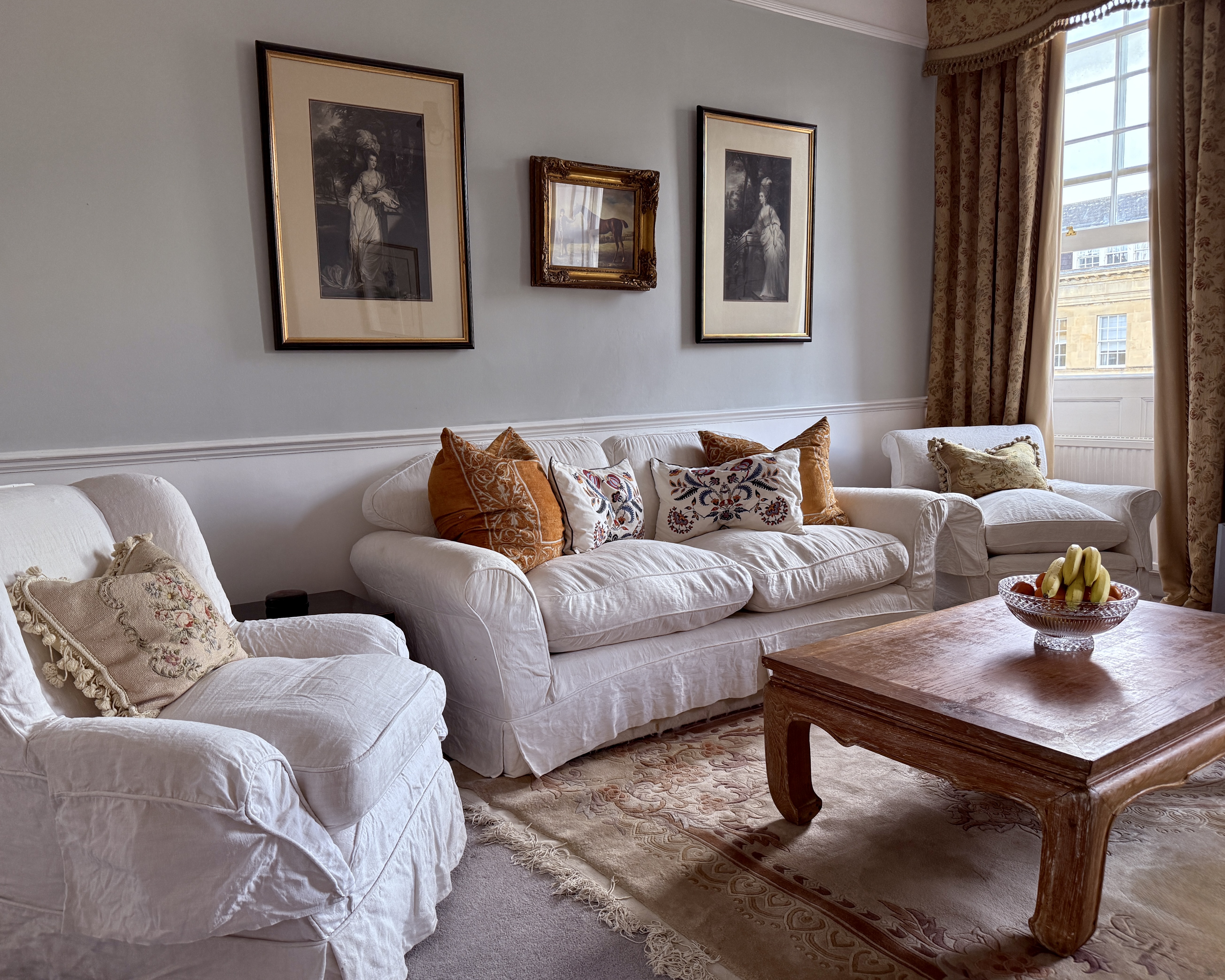
Architecturally, Bath is the Paris of England, visually cohesive and eminently walkable, with a vibrant culinary landscape and remnants of what was once a great Roman settlement. We stay here two nights, on the top two floors of a gracious old Georgian house near the center. The evening we arrive, a short walk takes us to a delightful French restaurant called Chez Dominque, and we like it so much that we return the next evening as well.
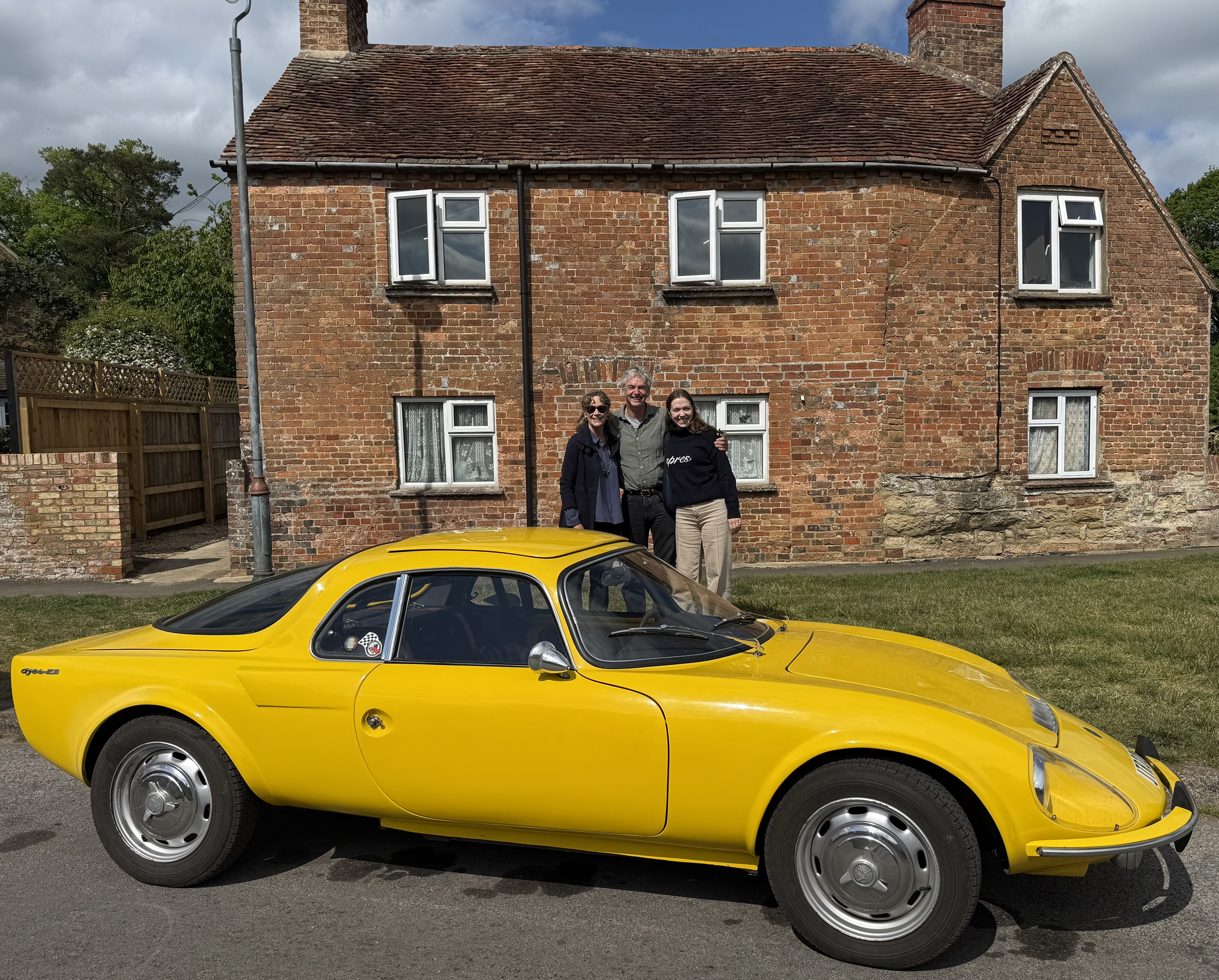
Departing Bath, we head east for a lunch date with dear friends—one of whom is an aficionado of quirky but stylish vintage automobiles—at The Pointer restaurant in Brill, a hilltop village outside of Oxford. (10 Points for anyone who identifies the make and model of the car in the photos below.)
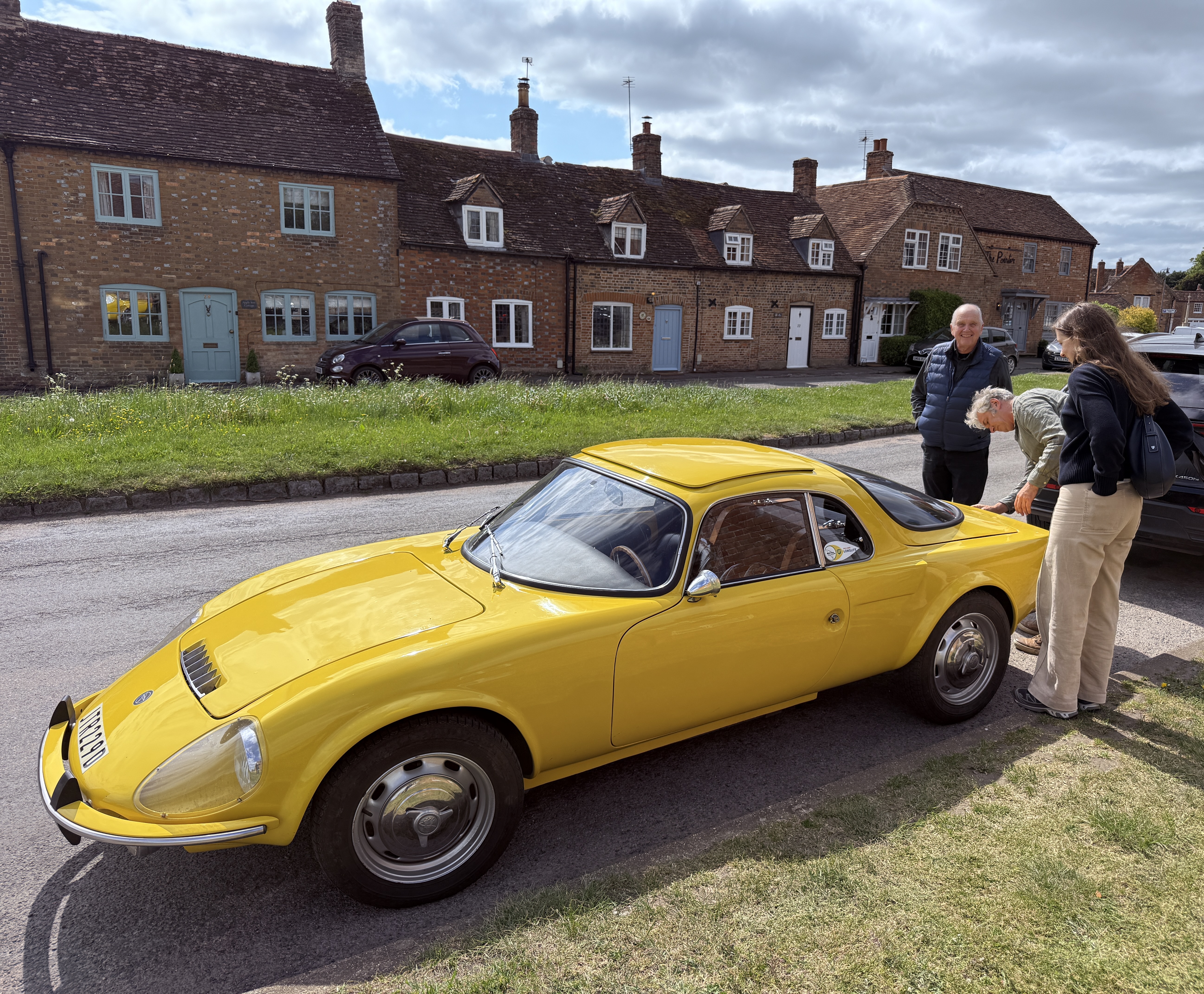
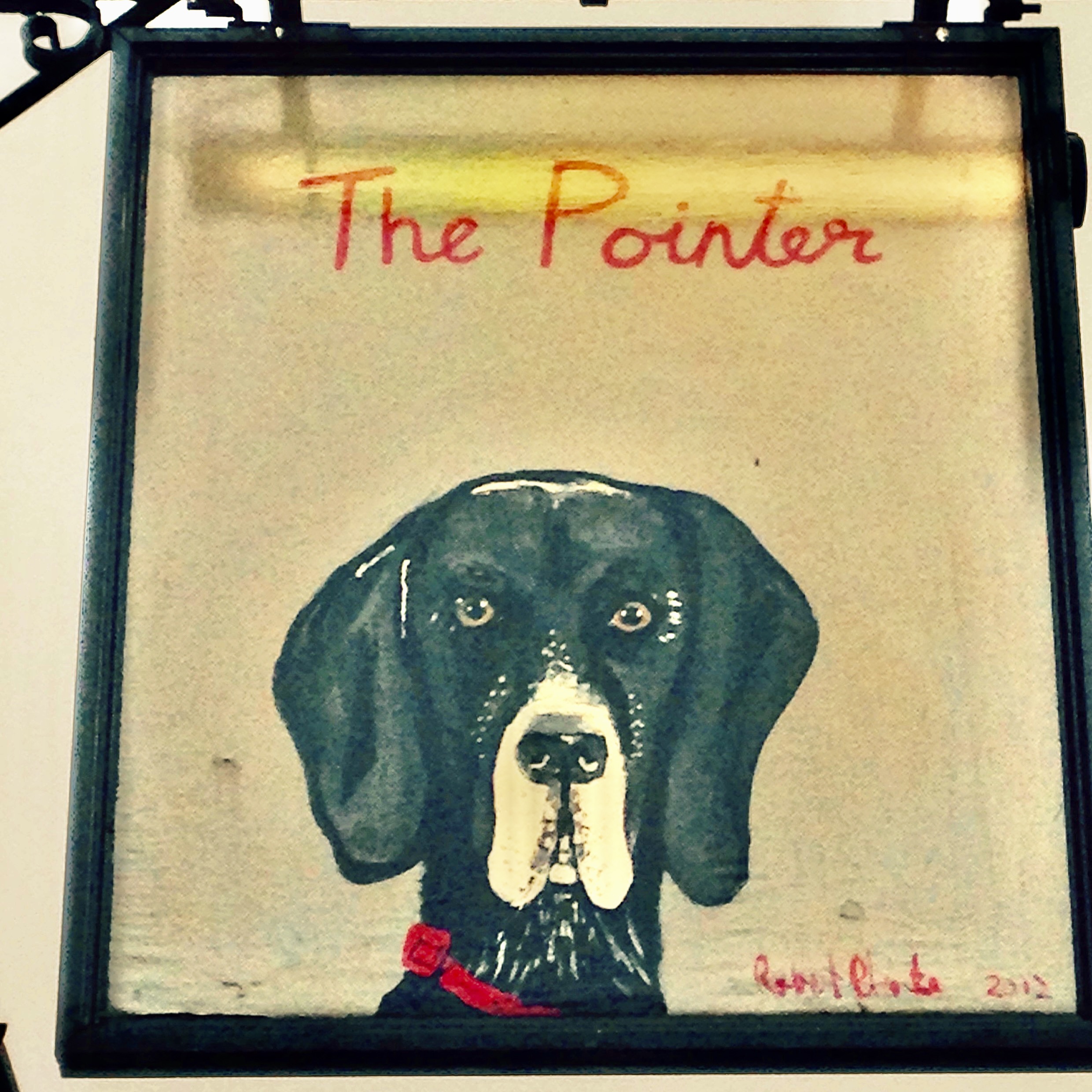
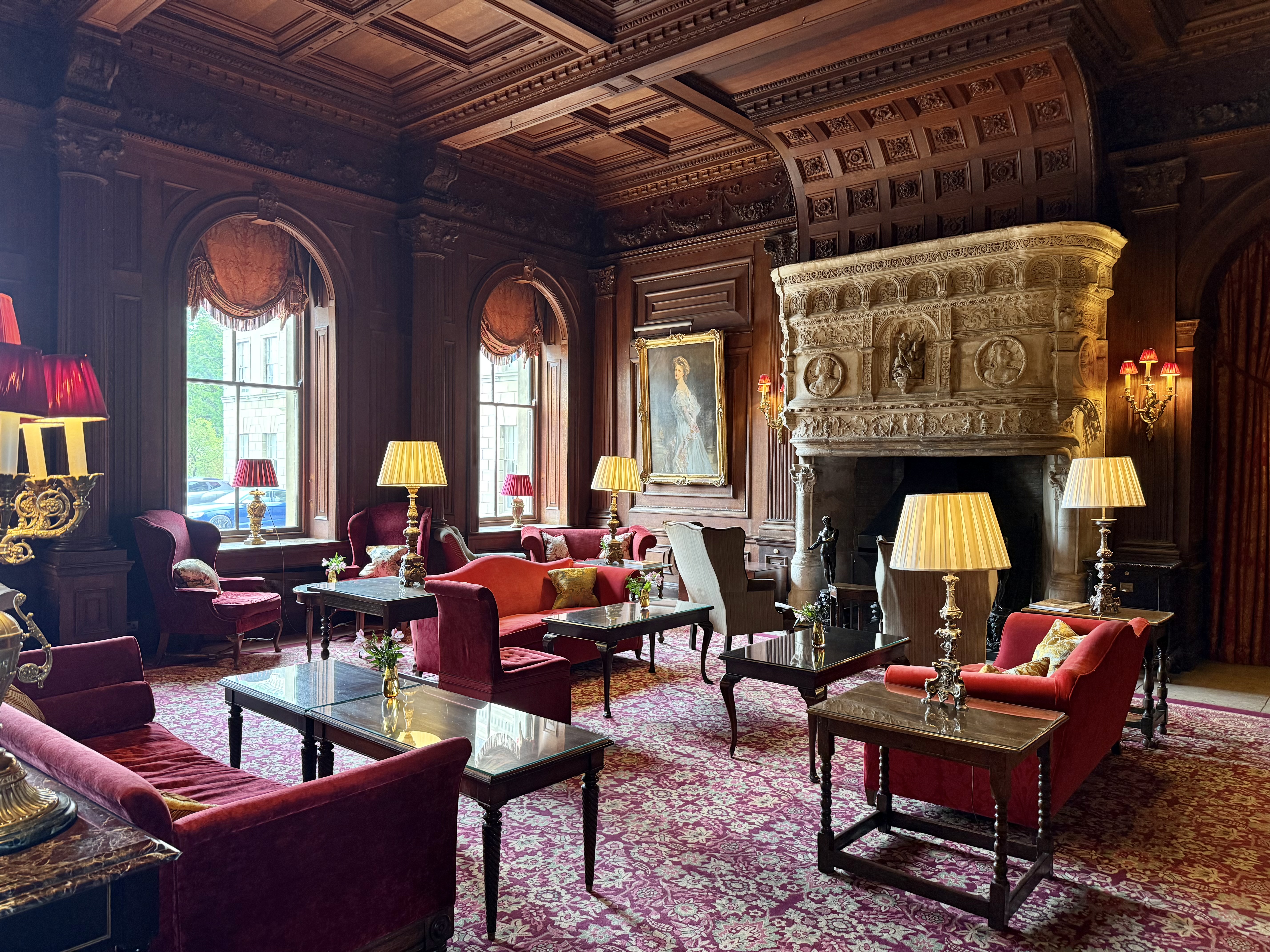
There have been many highlights during this trip, and after lunch we arrive at a crowning glory. Instead of booking an airport hotel before our early morning departure from Heathrow, Dave has chosen something very special: two glorious nights at Cliveden House, former home of Lord and Lady Astor and now a luxury hotel in partnership with the National Trust.
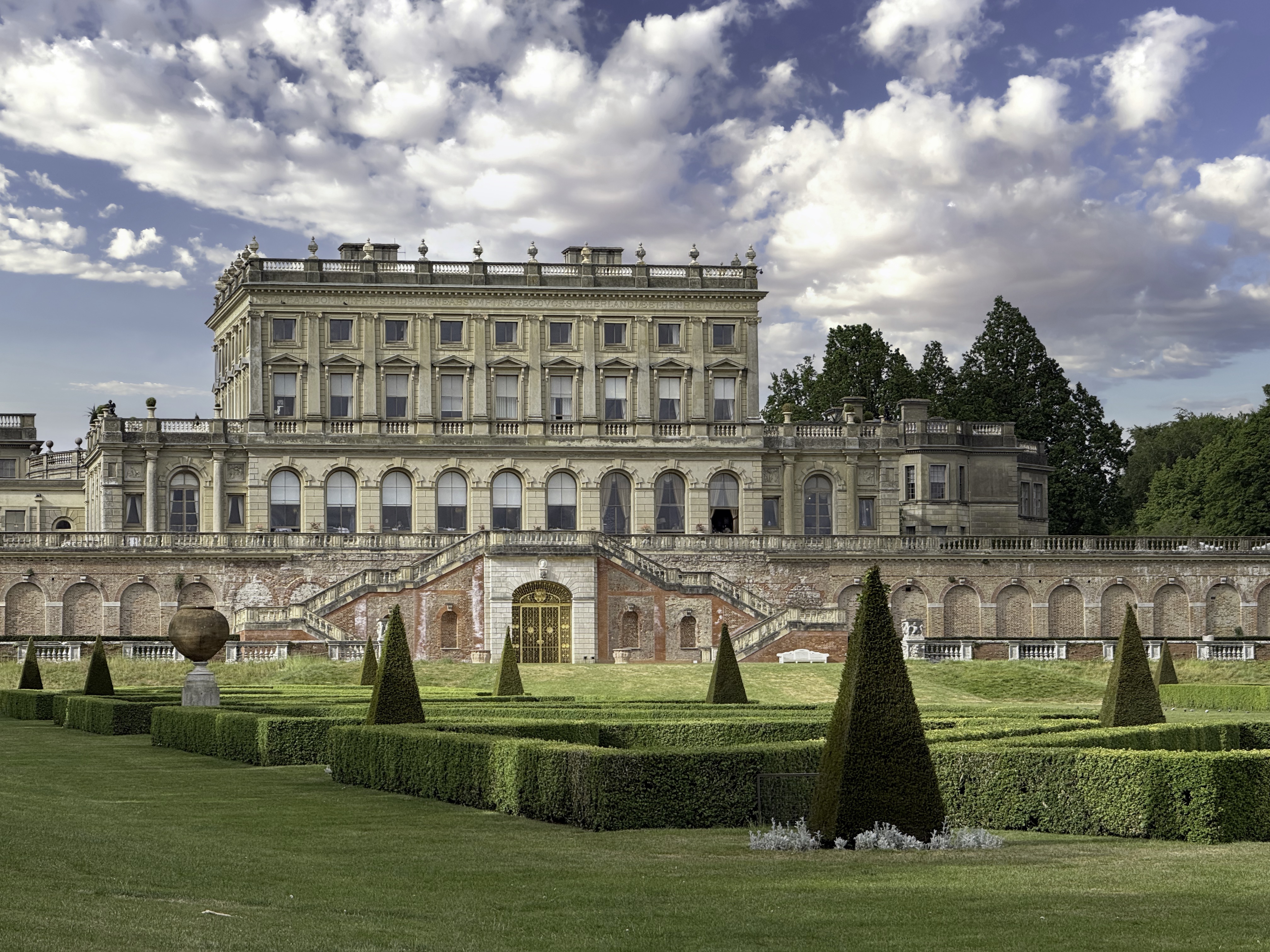
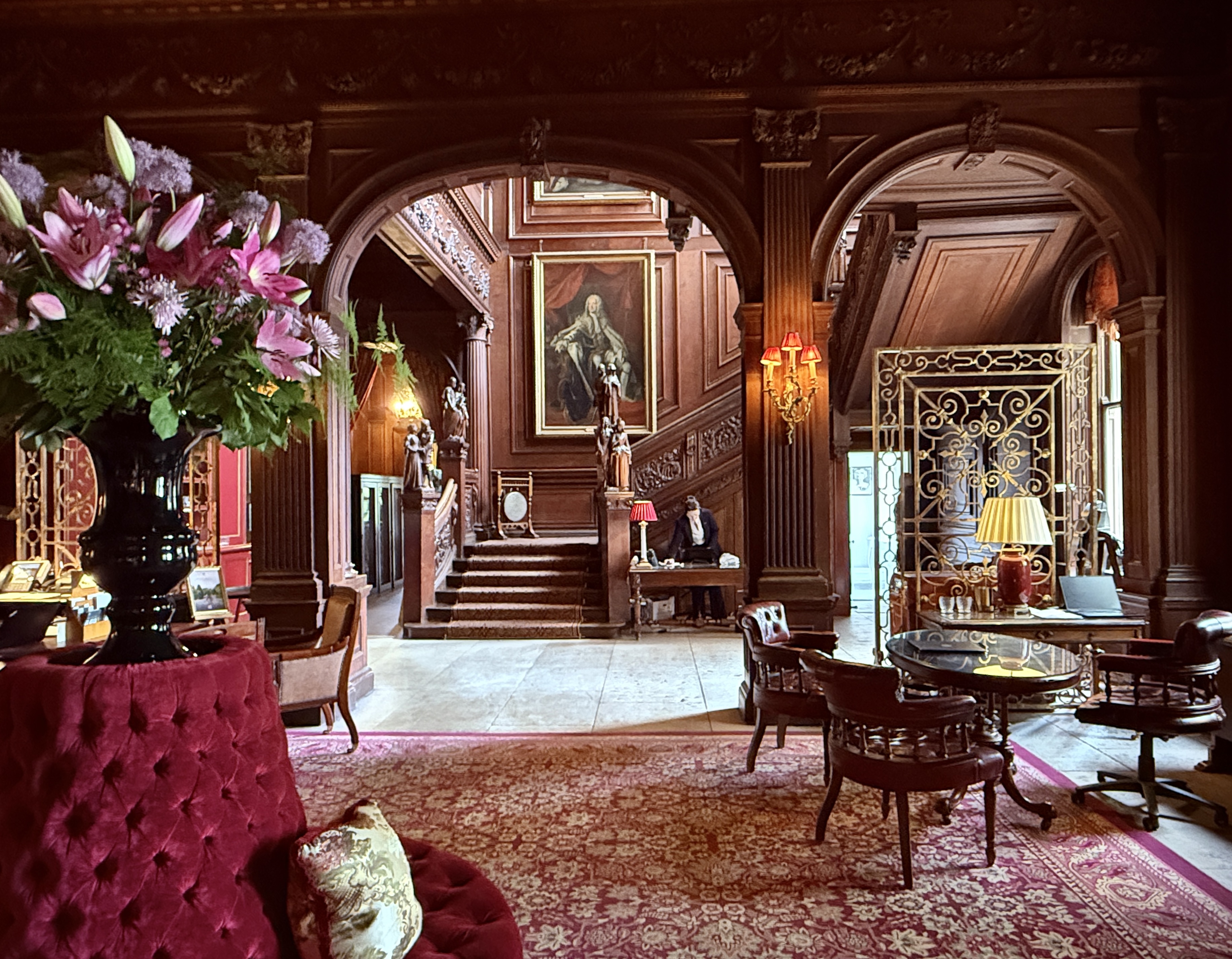
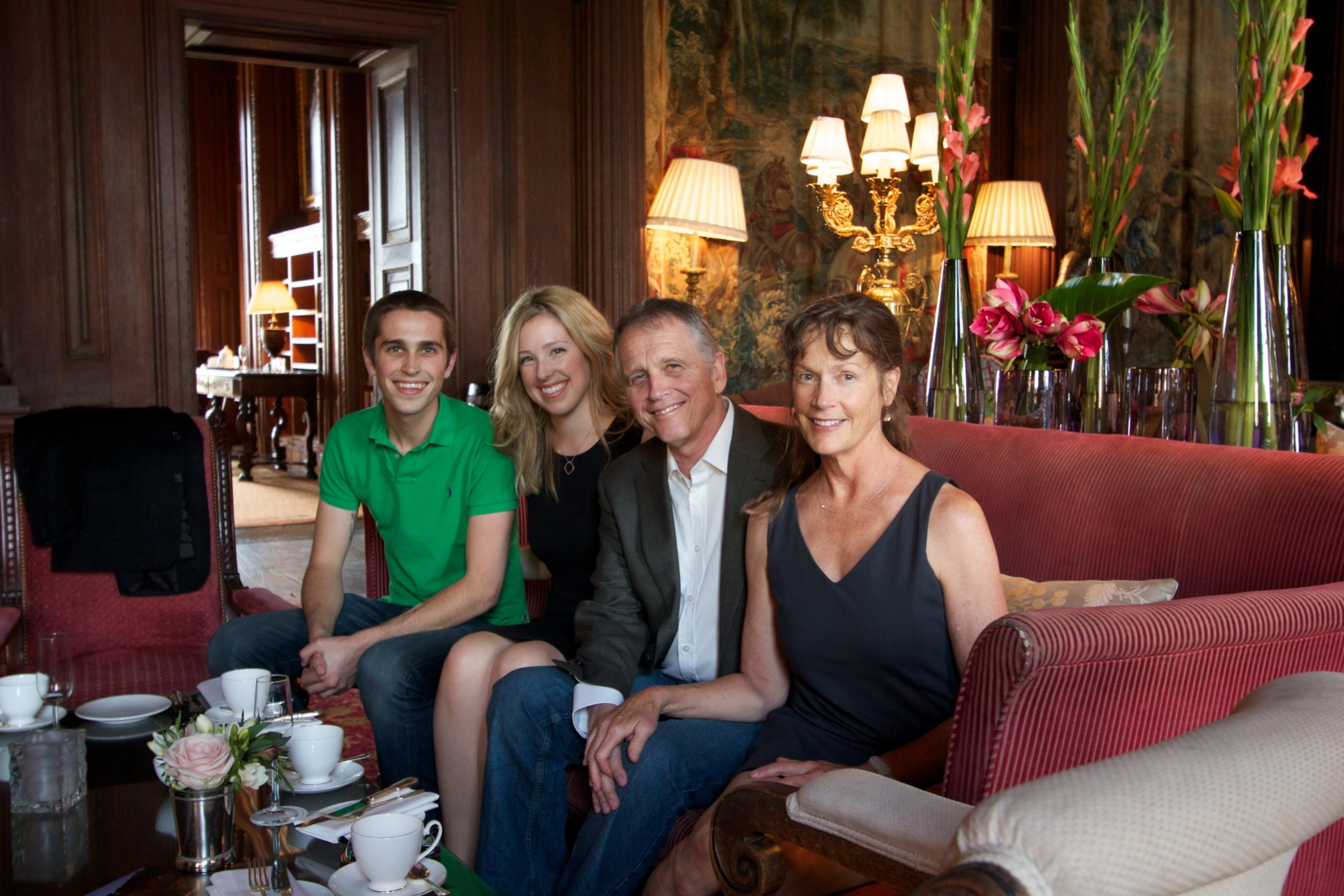
In years past we have been here for dinner and high tea (photo of us, below, from 2013), but we’ve never had the luxury of staying the night and strolling the house and grounds.
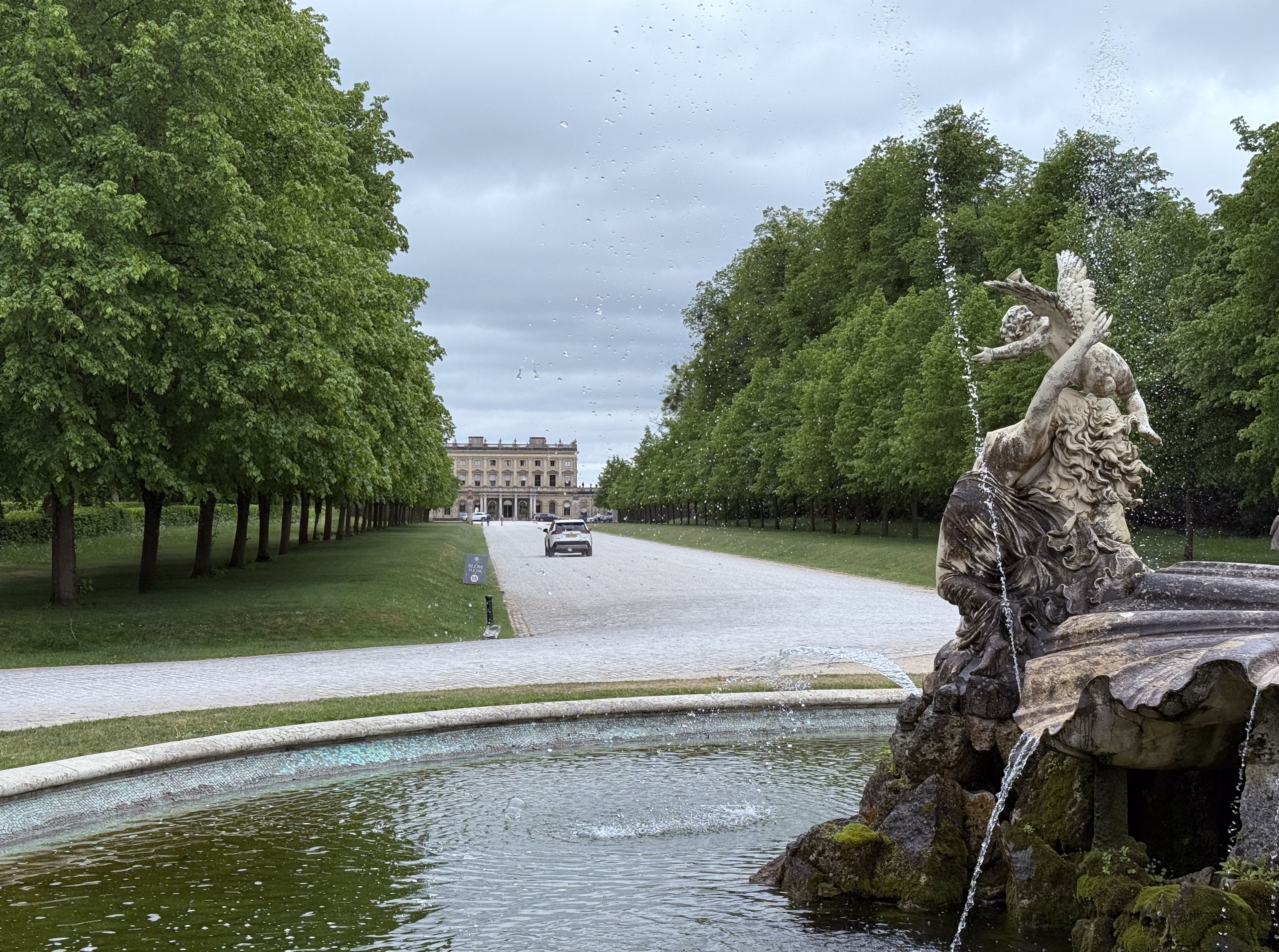
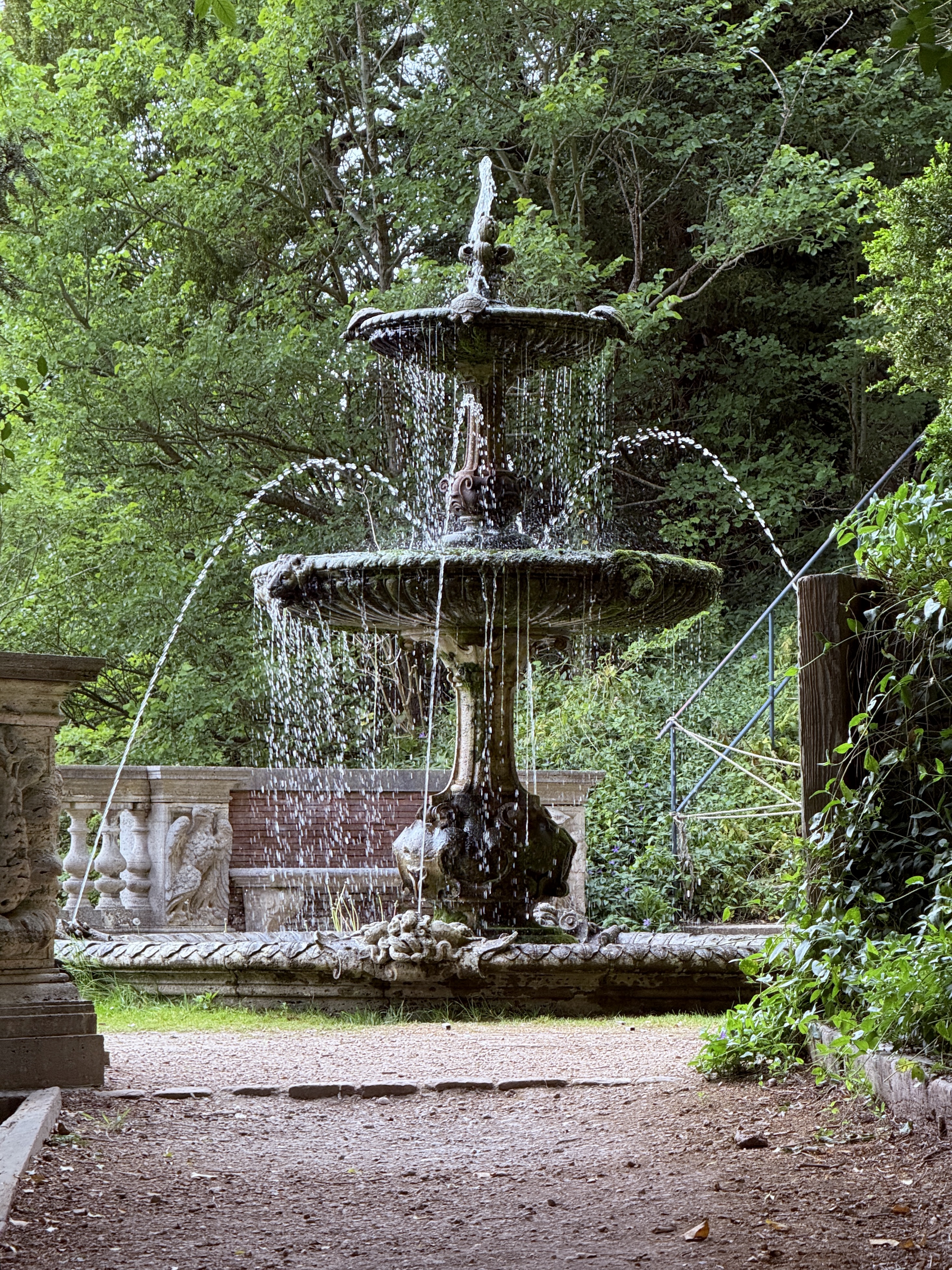
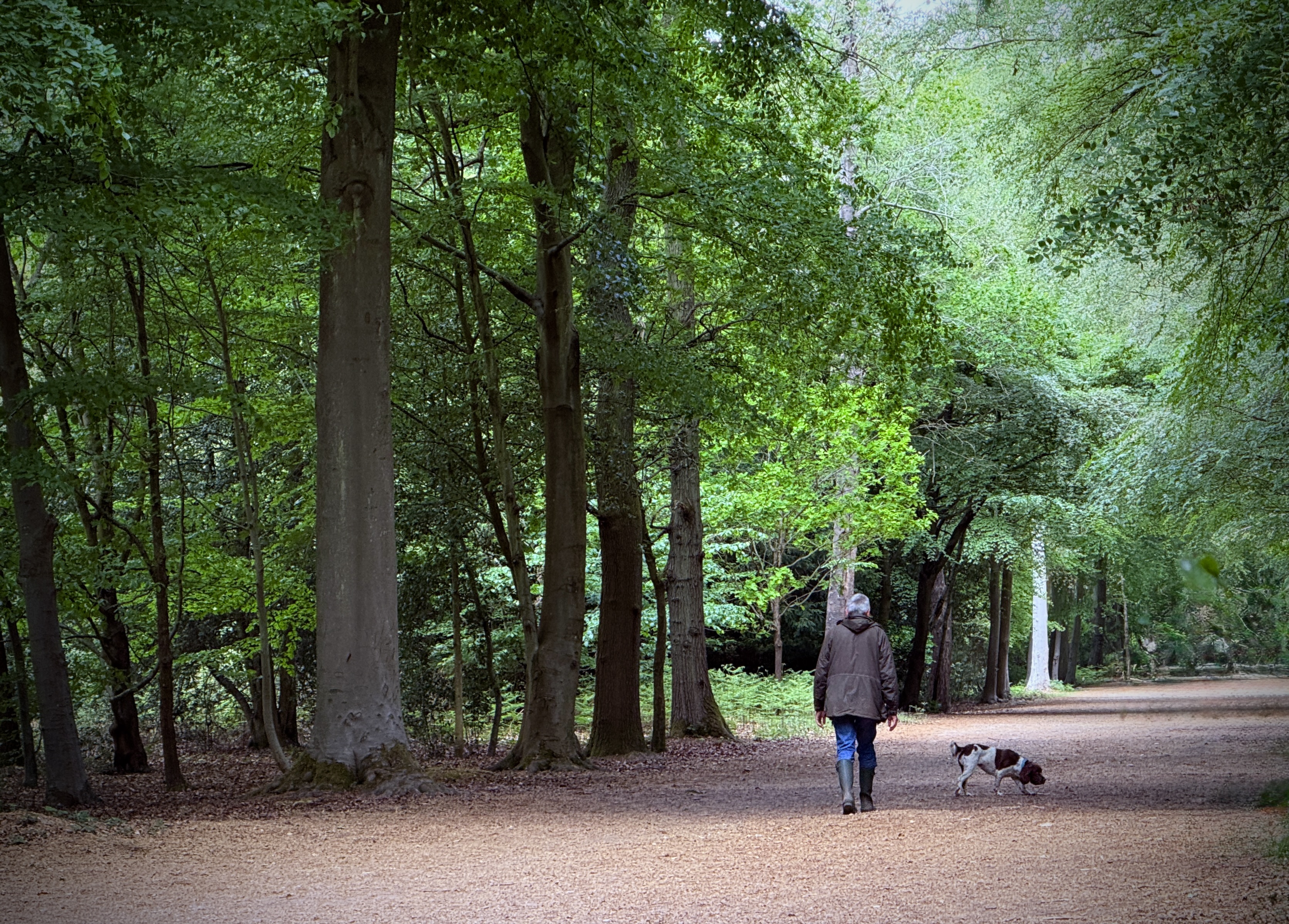
There are only 47 guest rooms, and we soon realize that the ethos of the place is to make us feel like a guest in a private country house. From the barman to the porter, everyone is friendly, helpful, and sincerely invested in making our stay as enjoyable as it can possibly be.
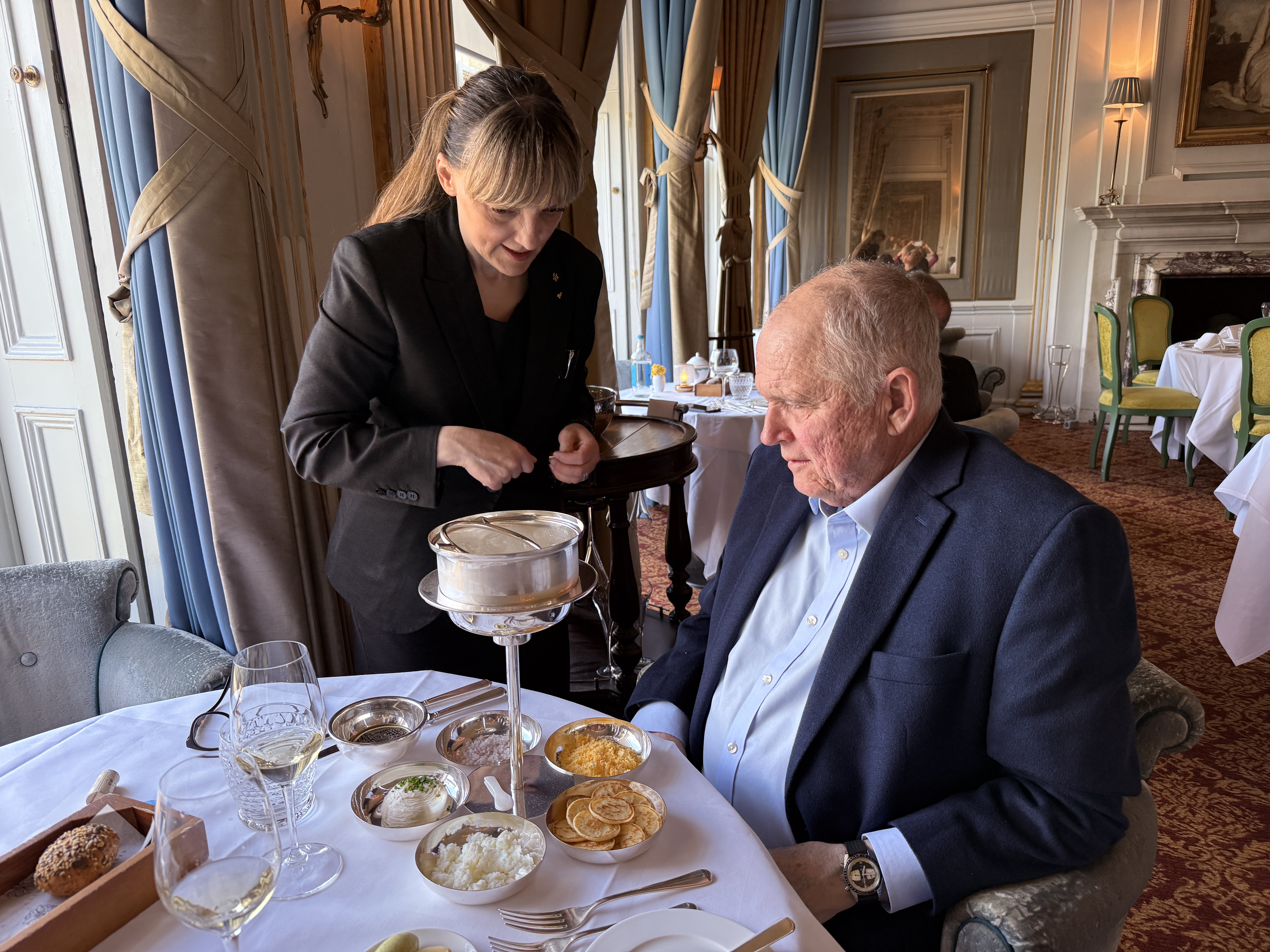
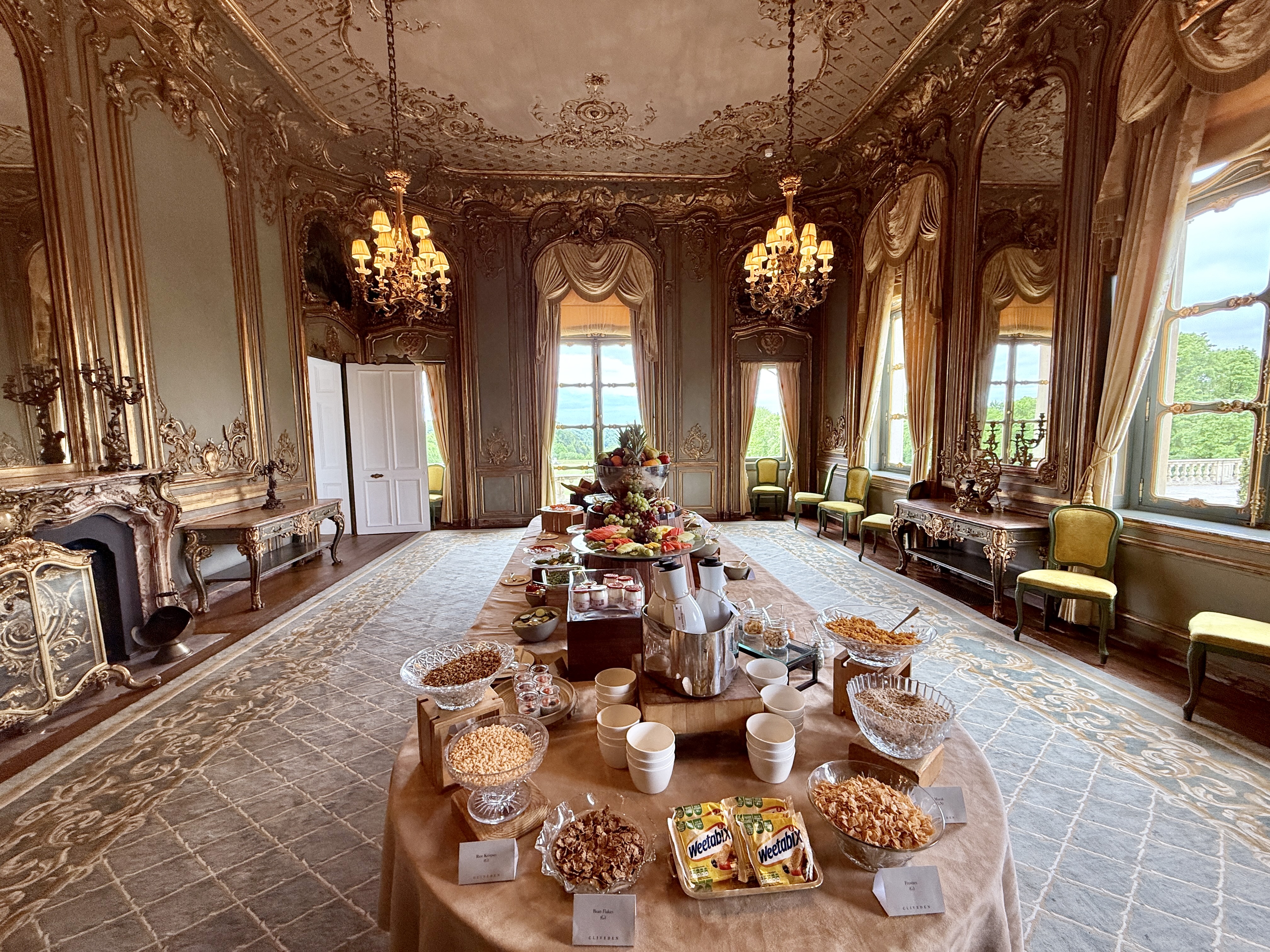
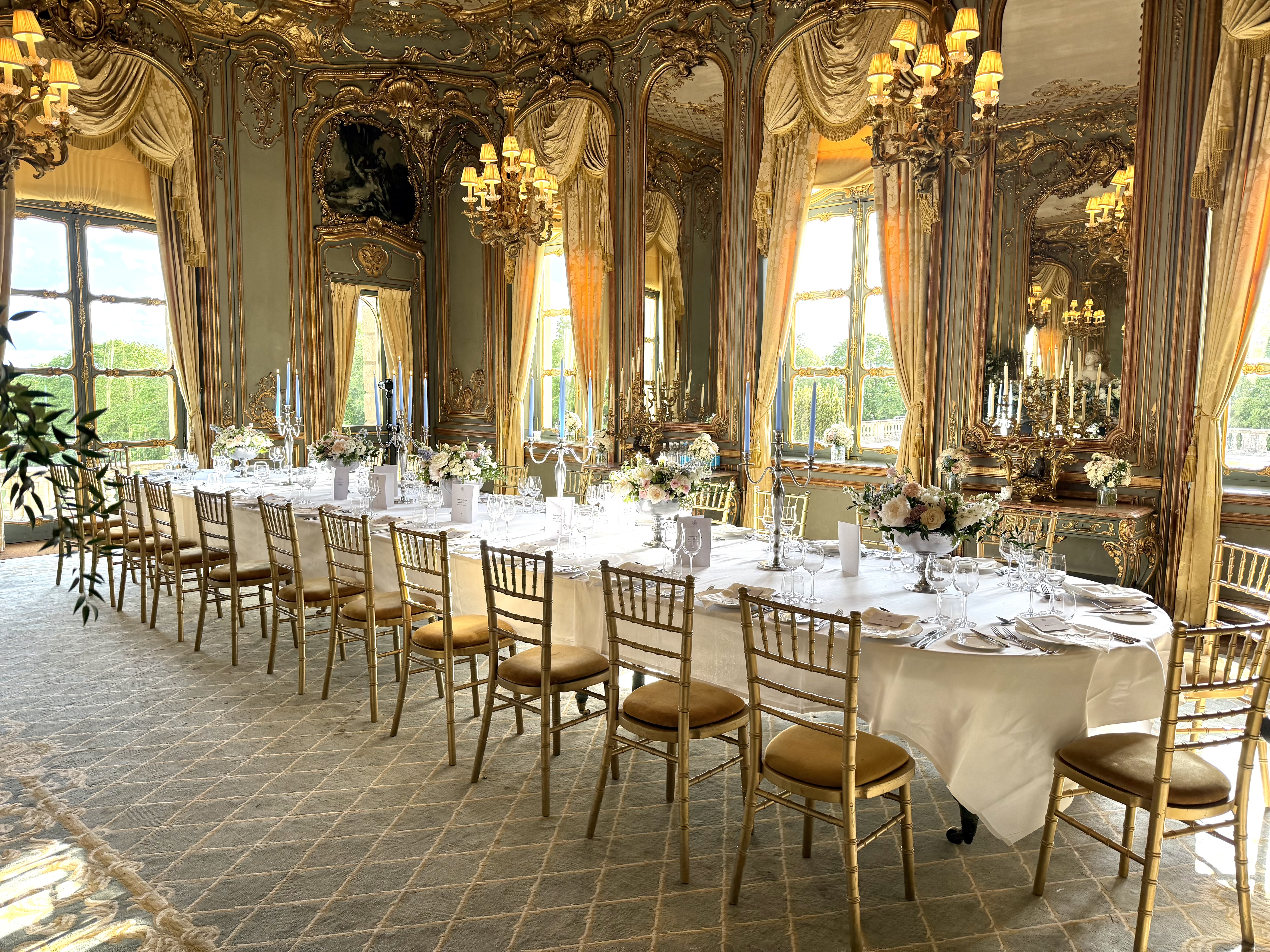
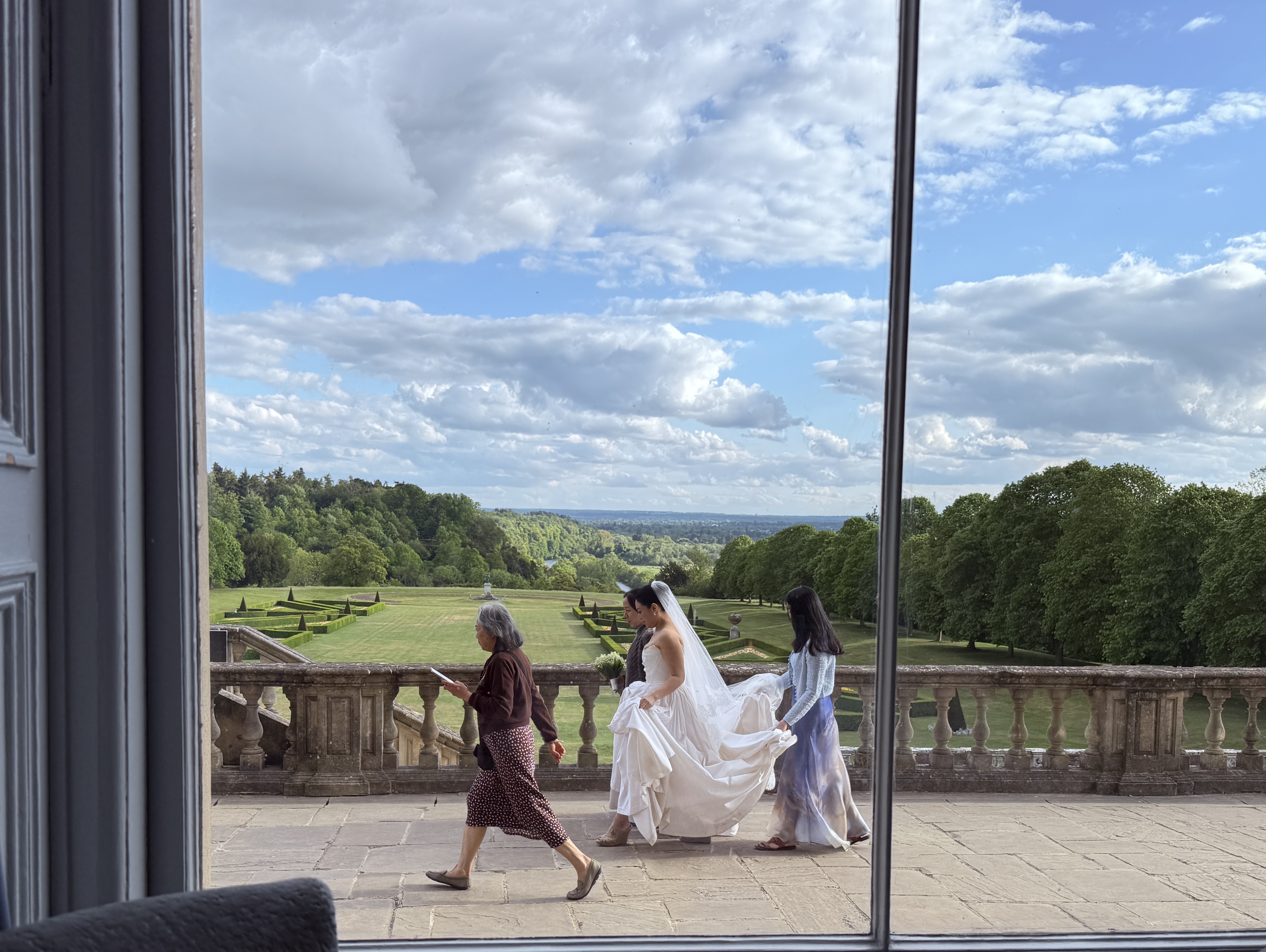
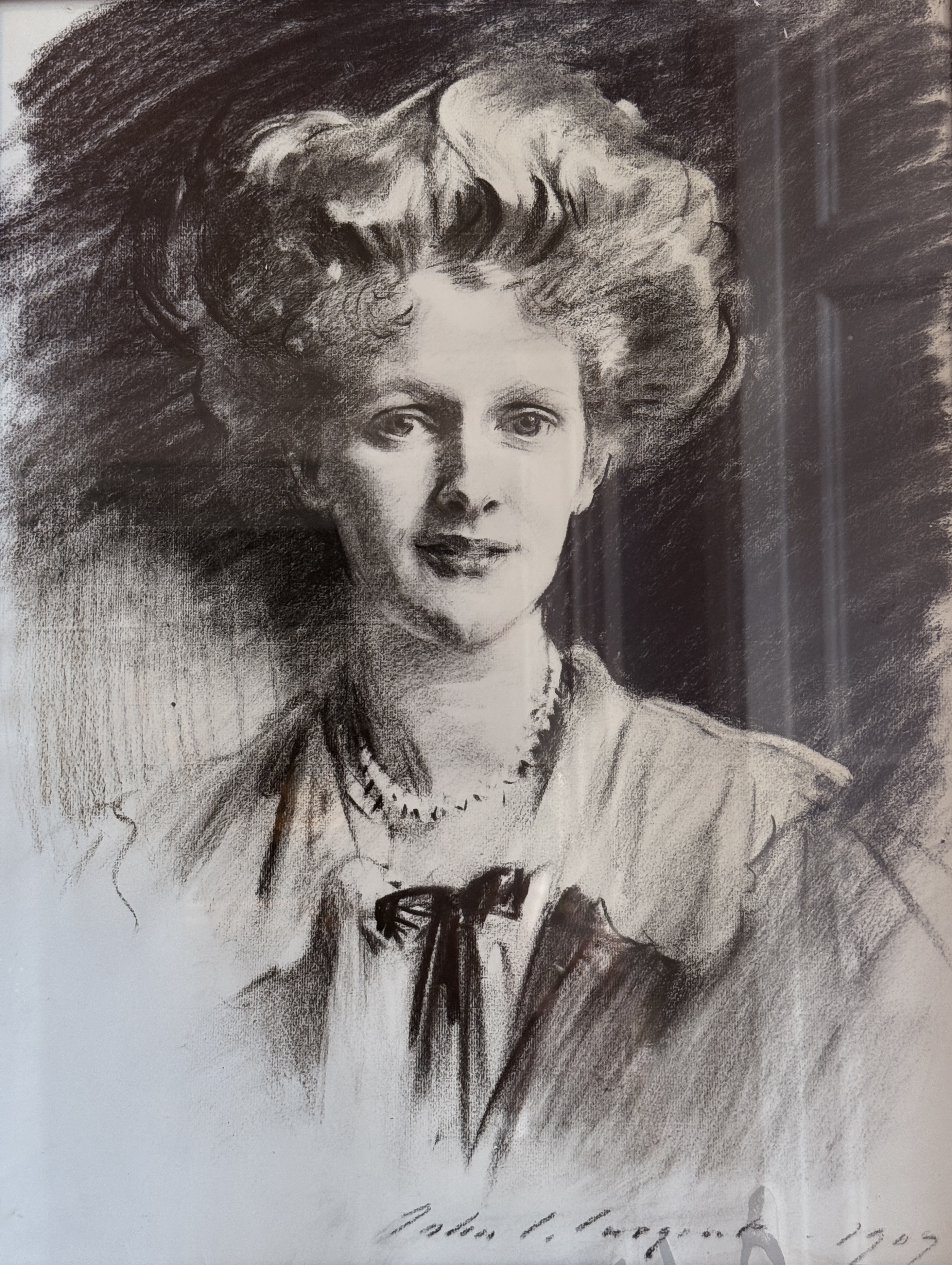
It’s impossible to name a favorite aspect of Cliveden house, but we’ve always been enthralled by the John Singer Sargent portaits of Lady Astor, especially the life-size portrait on display in the main salon.
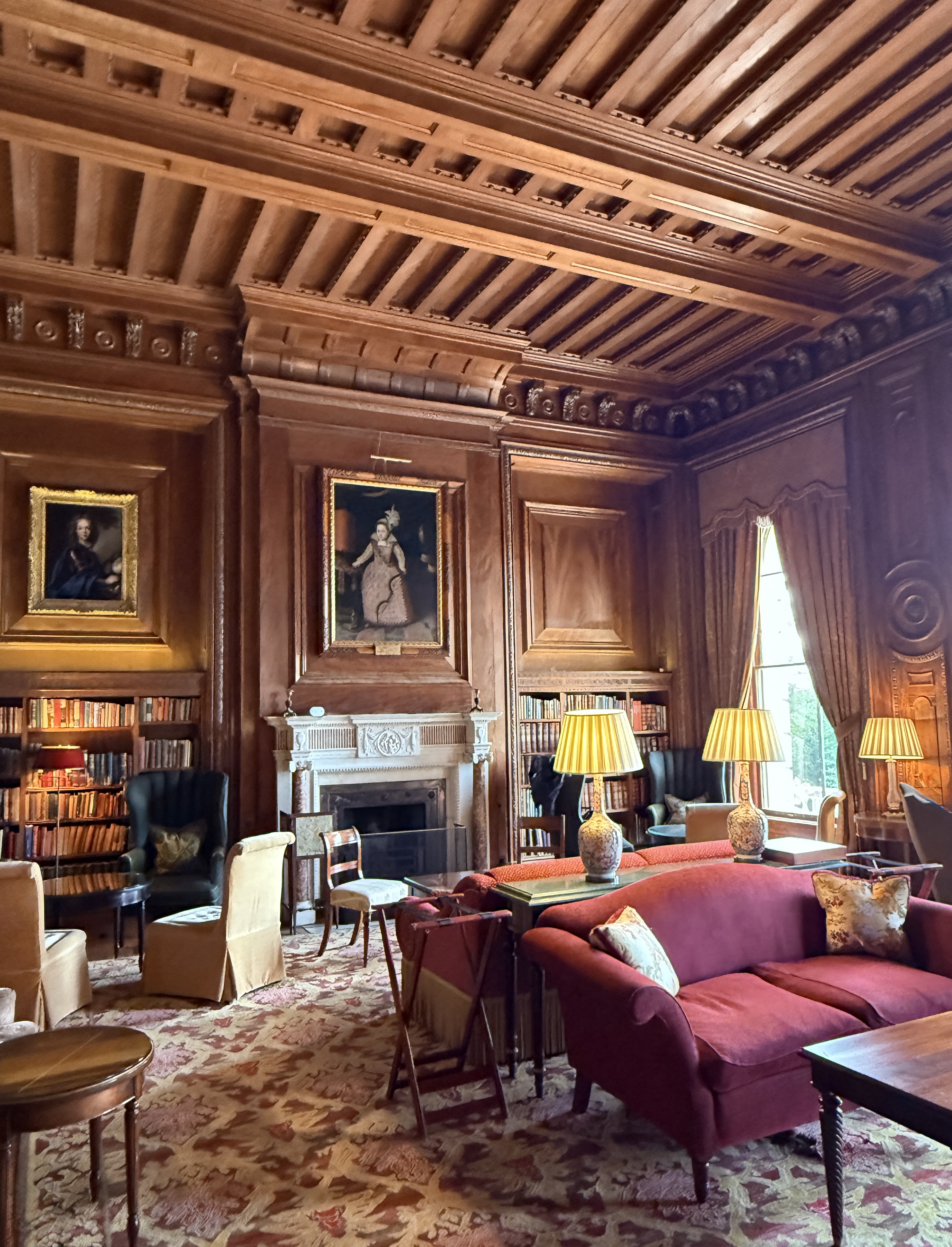
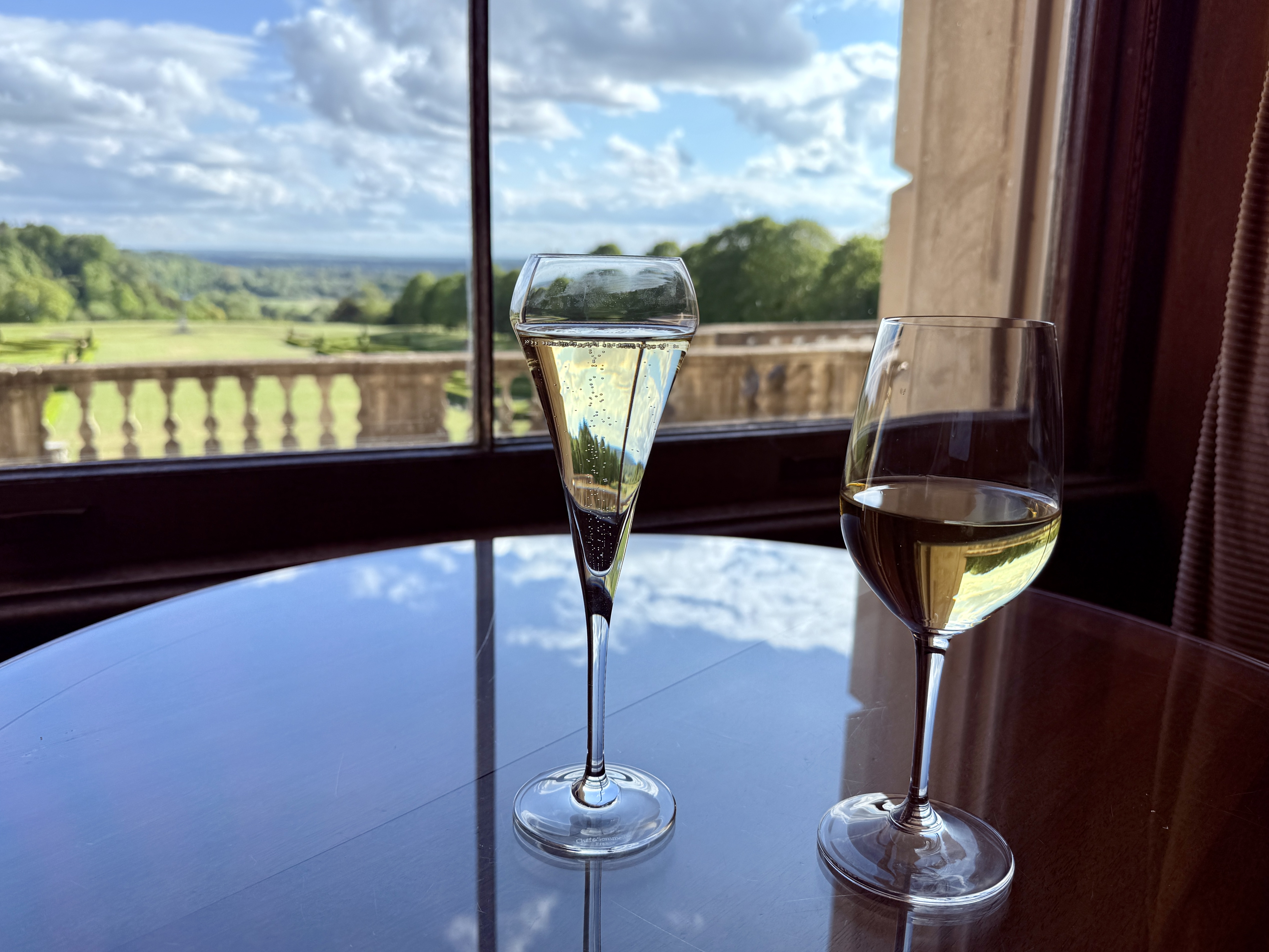
And our favorite public room just might be the cedar wood paneled library bar overlooking the expansive parterre.
When our wake-up call comes at 3:00am, the porter is at our door to help us ferry our bags to a waiting ride. We are ready to return to California, because our home is there now, but part of us will always reside in England.
PS. A Short List of New Laugh-Out-Loud Place Names Encountered This Trip:
—Shitterton
—Studland
—Puddletown
—West Wittering
—Brass Knocker Hill

Great post! Sounds idyllic.
[image0.png]