
Northumberland
After two days in Edinburgh, we rent a car and cross the border to England, the land of Very Interesting Place Names. We begin compiling a list: Hartburn. Sheepwash. Wideopen. Haltwhistle. Once Brewed. Ladypark. Netherthong. Fatfield. Mold. Not making these up!
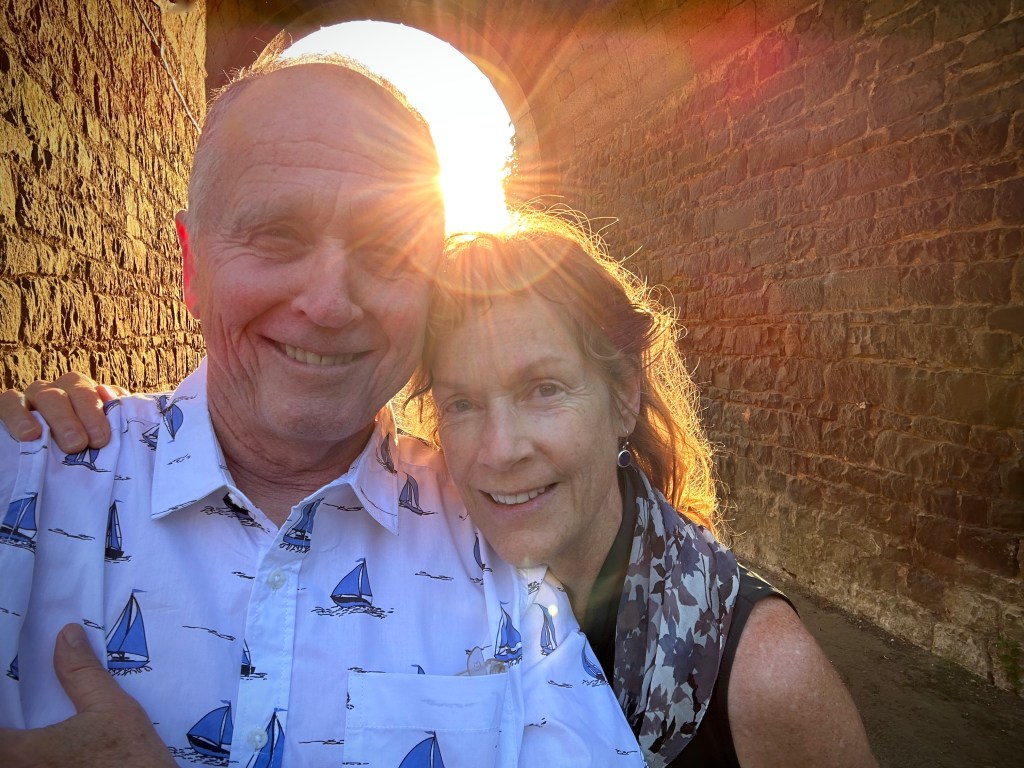
Rose: The sunny, warm weather persists. Rather unusual for the northeast coast of England, and almost annoying (but not really!), because the raincoats, fleece vests and waterproof boots we packed have been taking up space in our luggage.
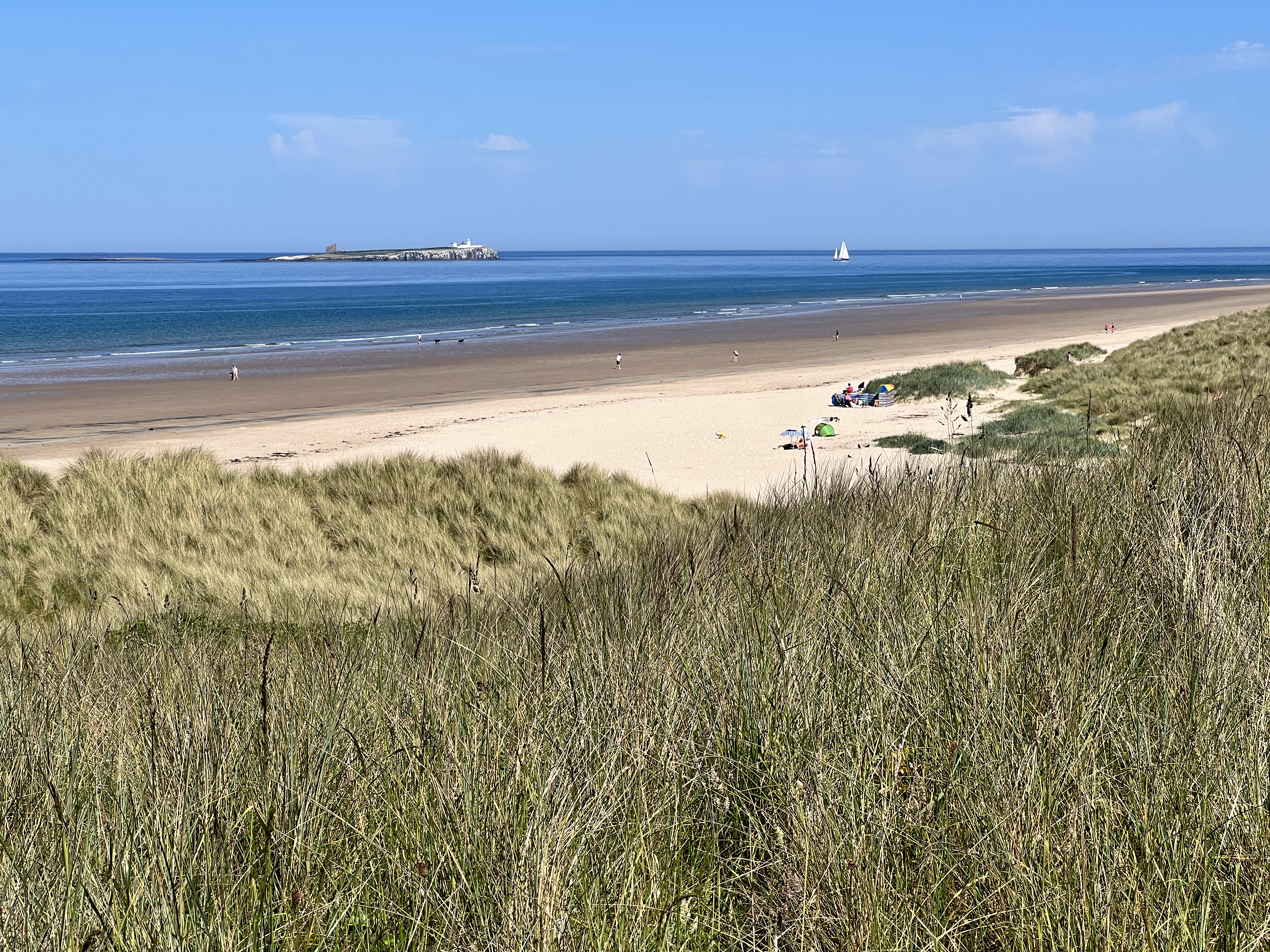
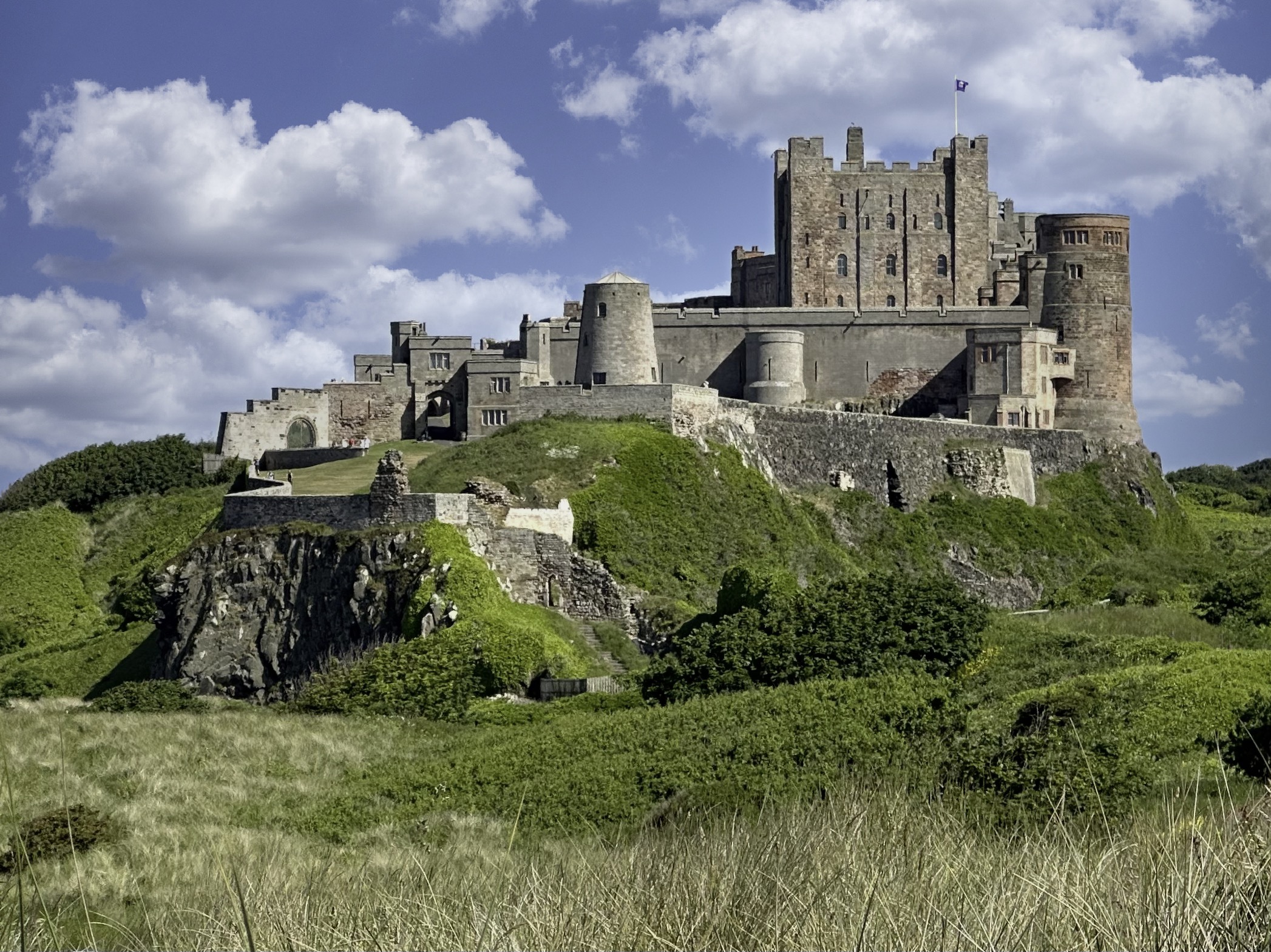
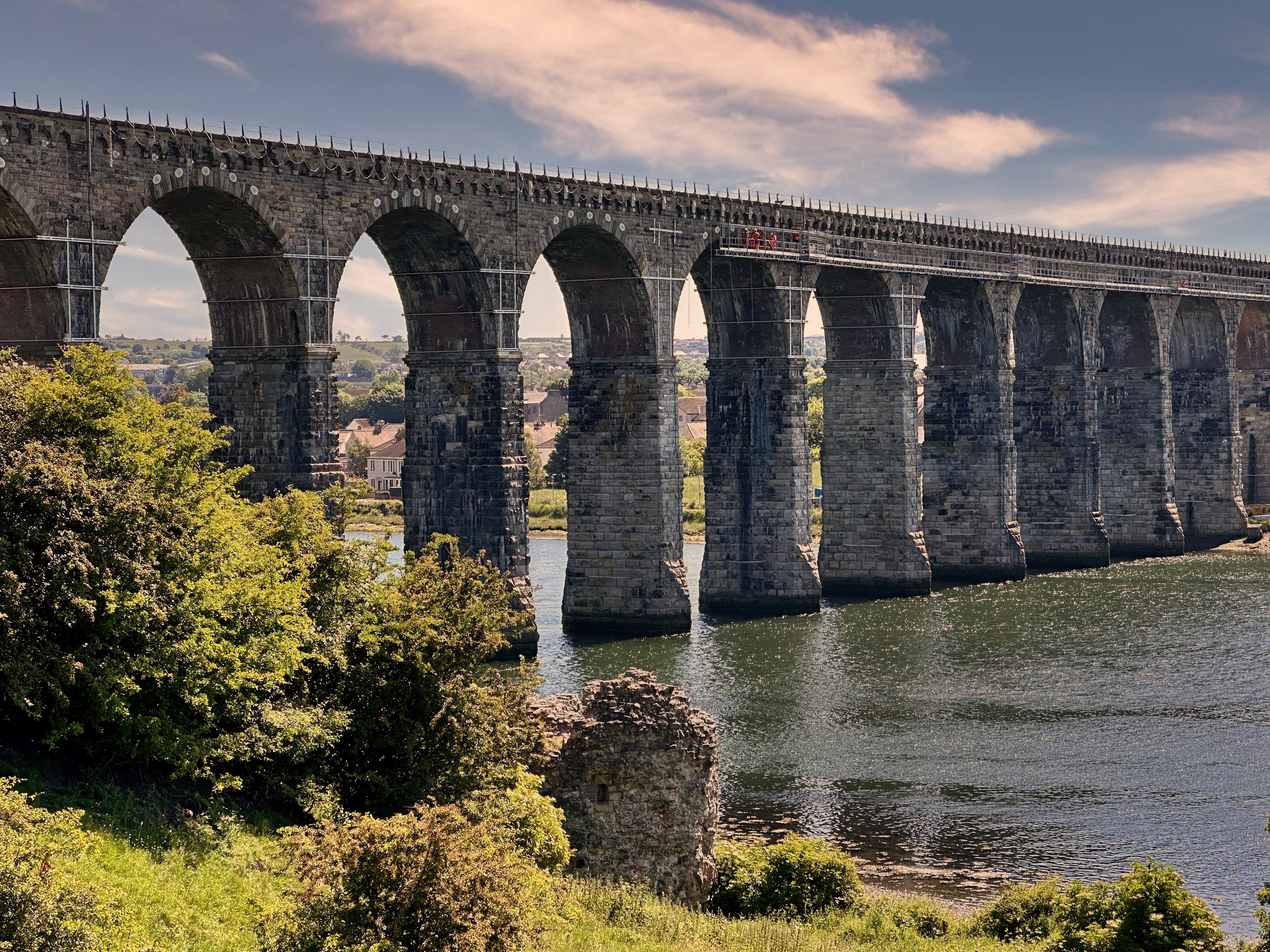
Roses and Thorns: Dave has booked a one-night stay at a pub with rooms in a coastal village called “Seahouses”, reputed to be scenic and picturesque. It’s not. Dave takes one look at the dingy huddle of houses, shops and pub and says, “Let’s find somewhere else.” A quick internet search leads us to a lovely country house hotel where we manage to check into the last available room. But when we take our luggage upstairs, the room is stifling. Hot sun is pouring in, sunset isn’t for another five hours, and the large window only opens 3 inches. “It is never going to cool down in here,” says Dave. “Even if we borrow an electric fan. (A bit of back-story here: the unseasonably warm weather has meant lots of stuffy bedrooms and fitful sleep, and we are hoping for a good night’s rest.) Feeling limp from heat, hunger and thirst, I am inclined to surrender and make the best of the situation, but Dave perseveres. “Wait here,” he says, and disappears downstairs to Reception to see if there is a suite or something we can upgrade to. But it is not to be. “There are no other rooms,” he informs me when he reappears. “I’ve checked out and gotten our money back. Let’s go.”
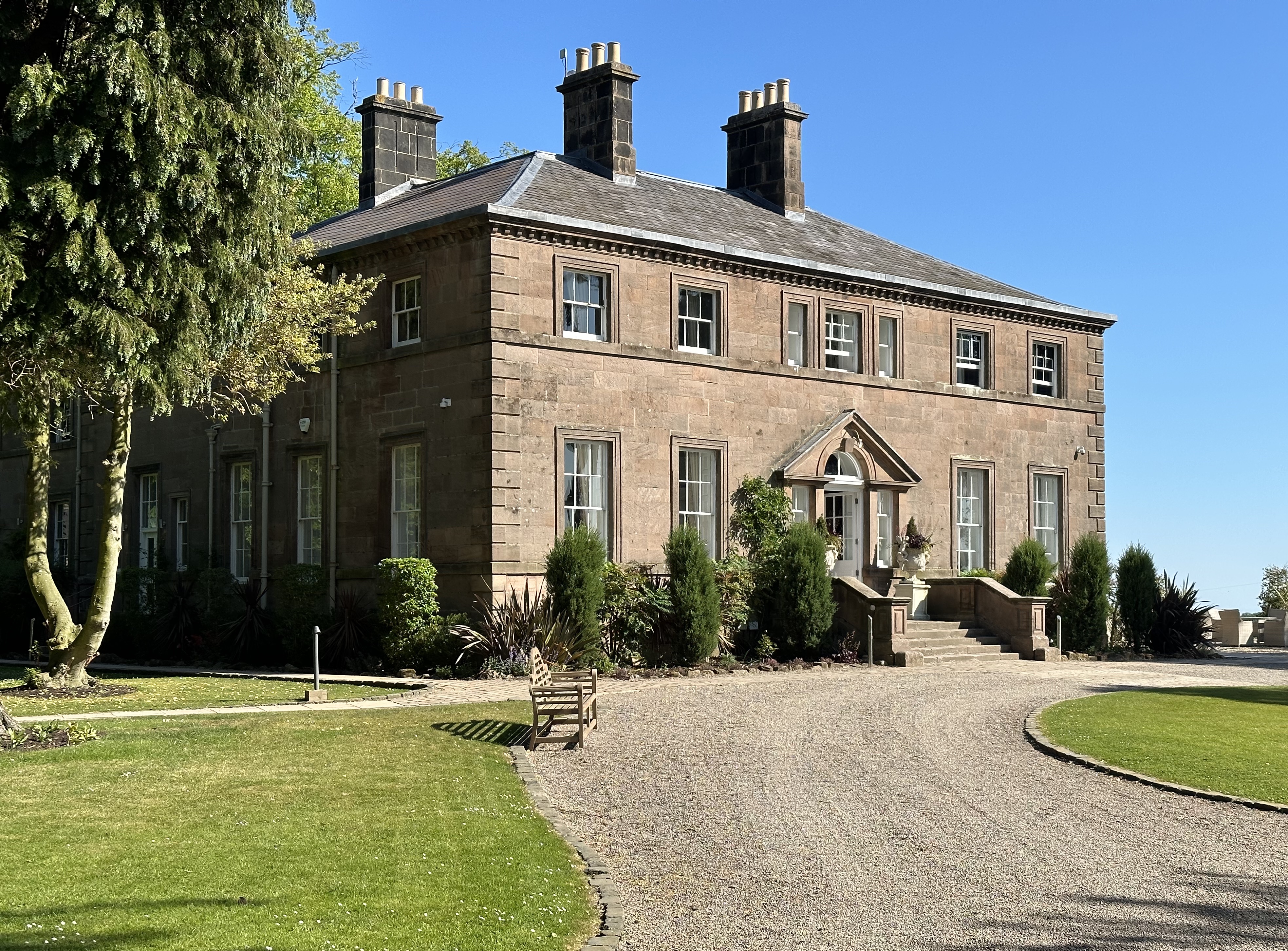
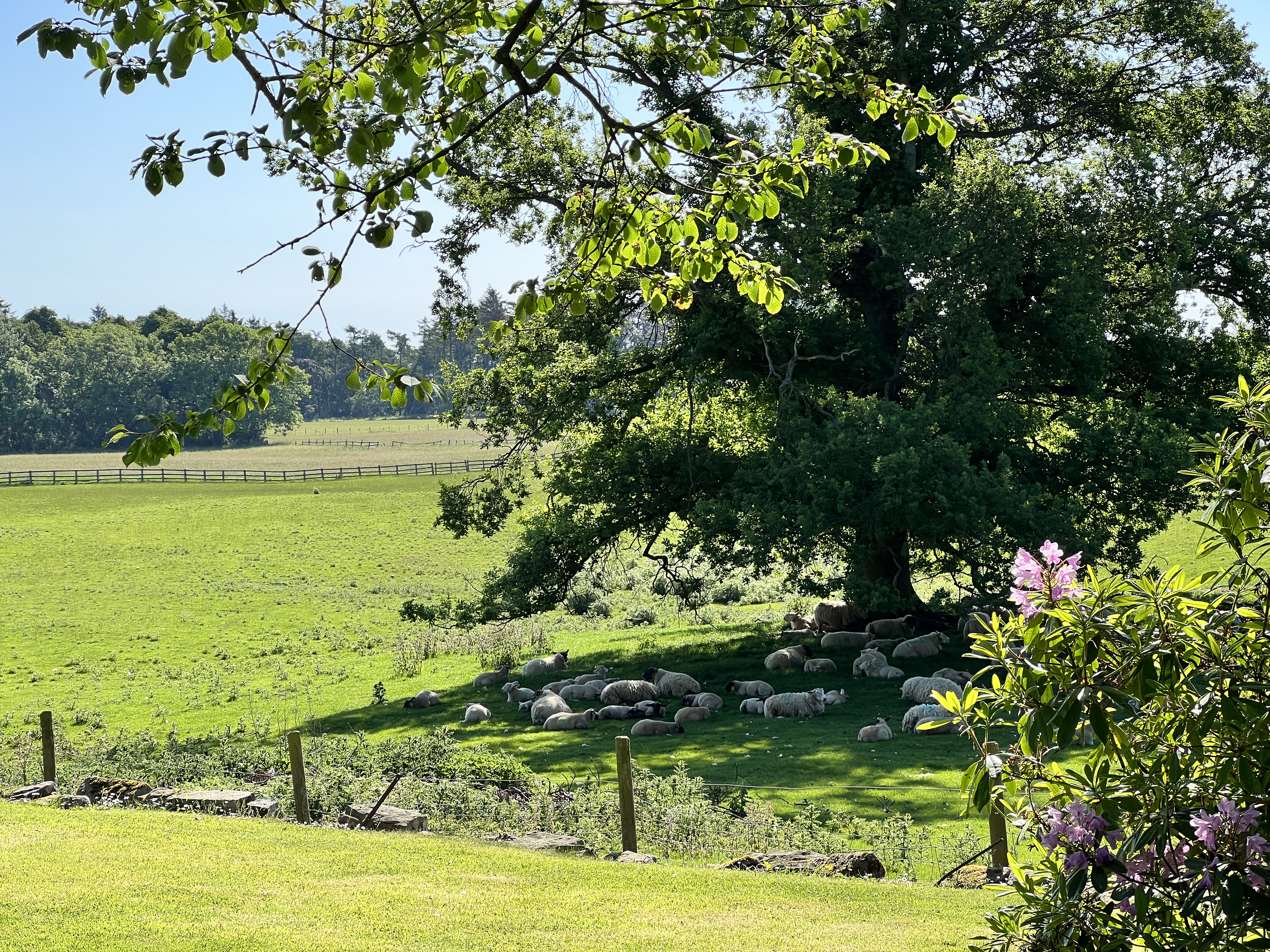
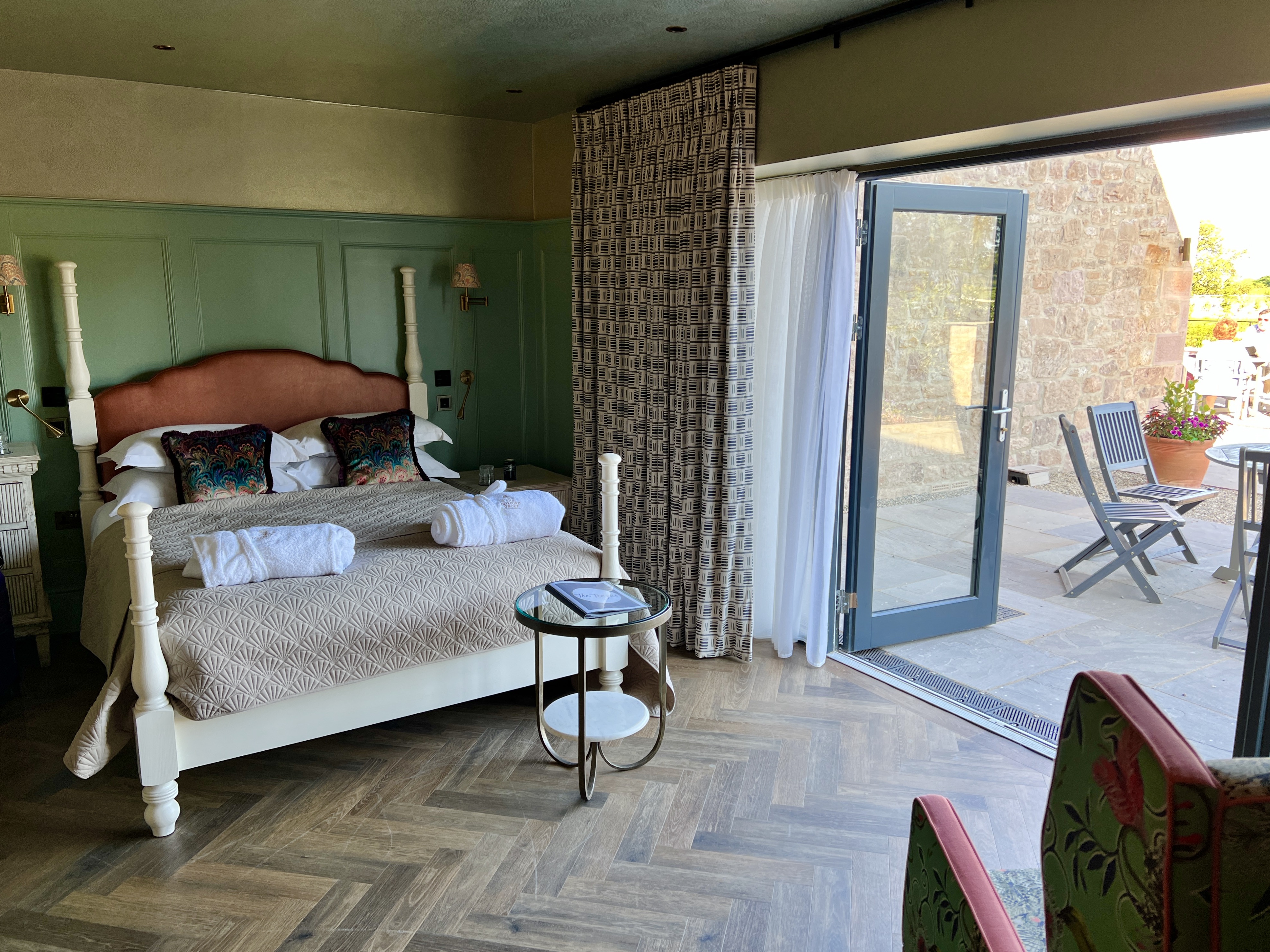
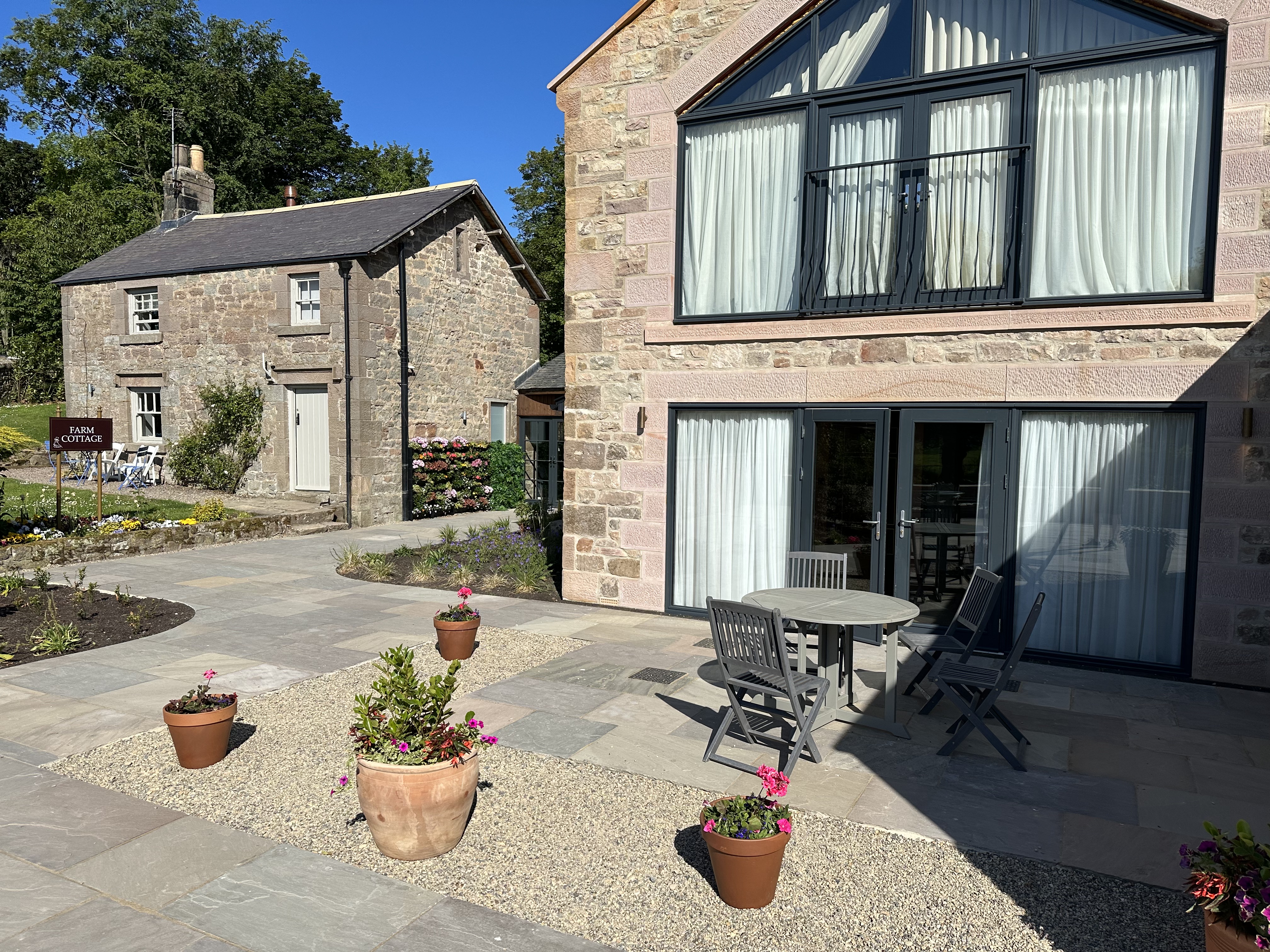
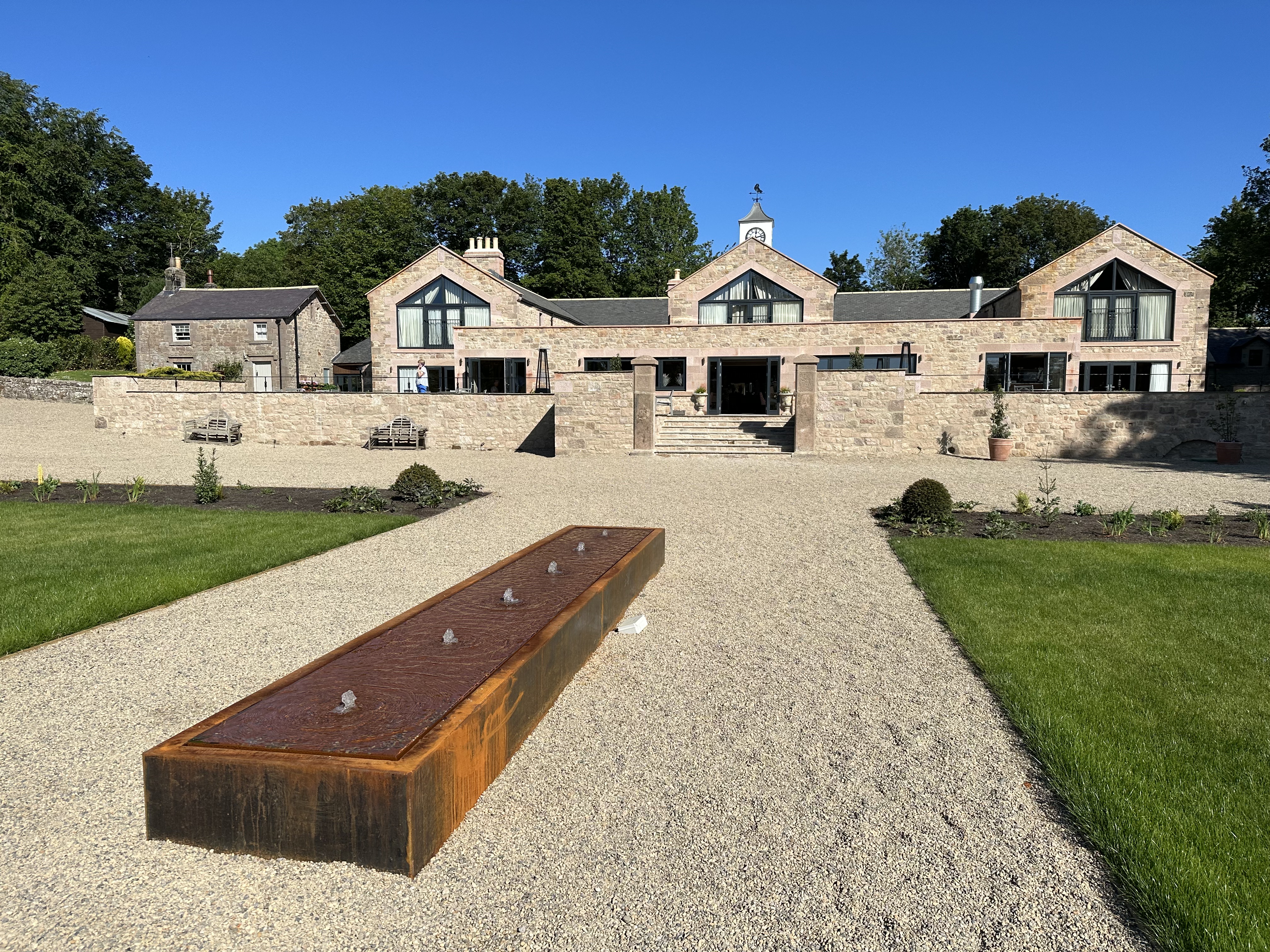
By now it is after 6 pm, and I am hoping that we won’t be spending the night in our rental car. A short drive along a wooded lane leads to another country house hotel. This one has recently been refurbished and actually has an air-conditioned room available on the ground floor with a terrace overlooking a green field. And it costs less than the hot, stuffy place. Heaven! Way to go, Dave! Sometimes it pays to be tenacious.
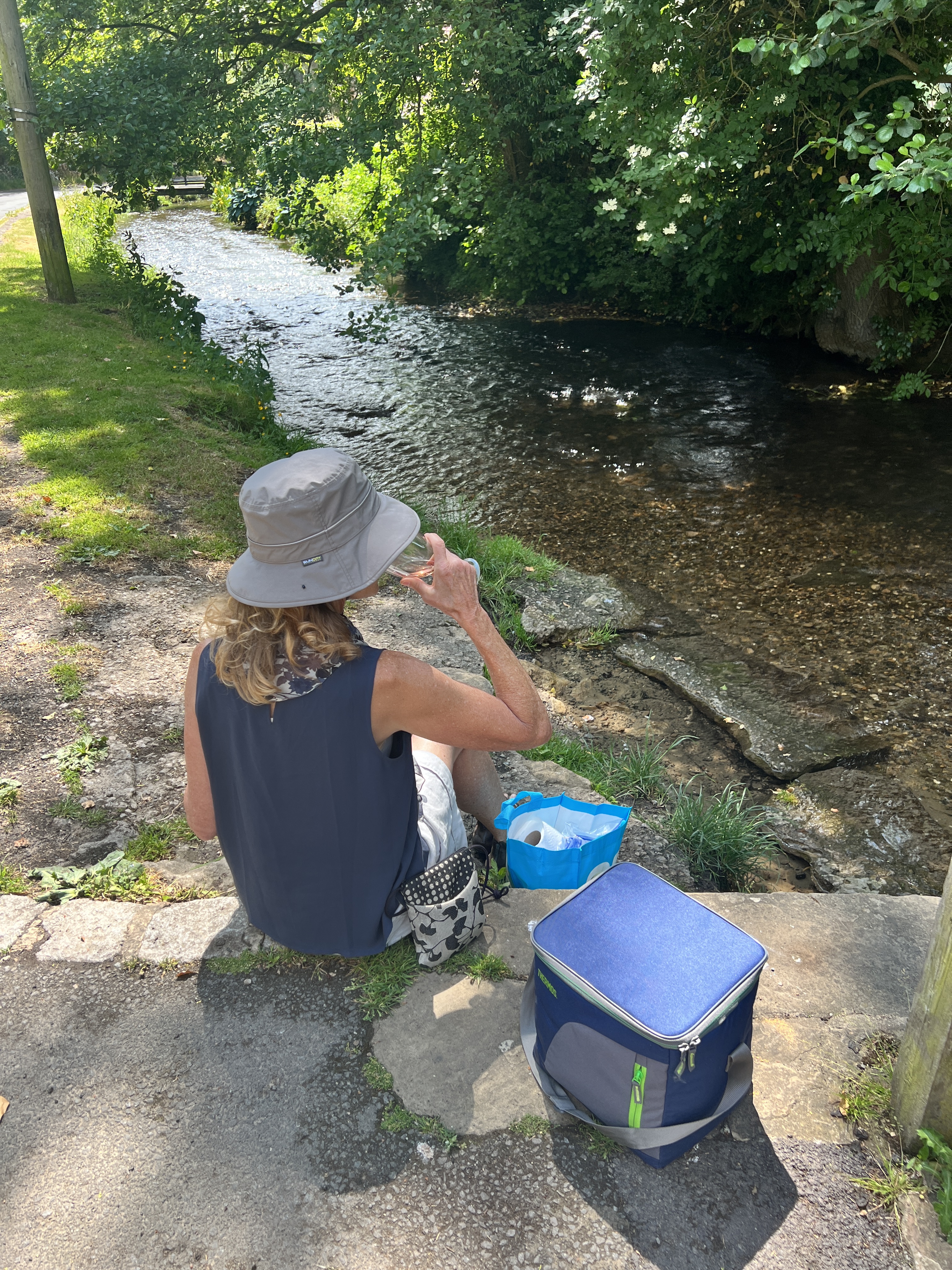
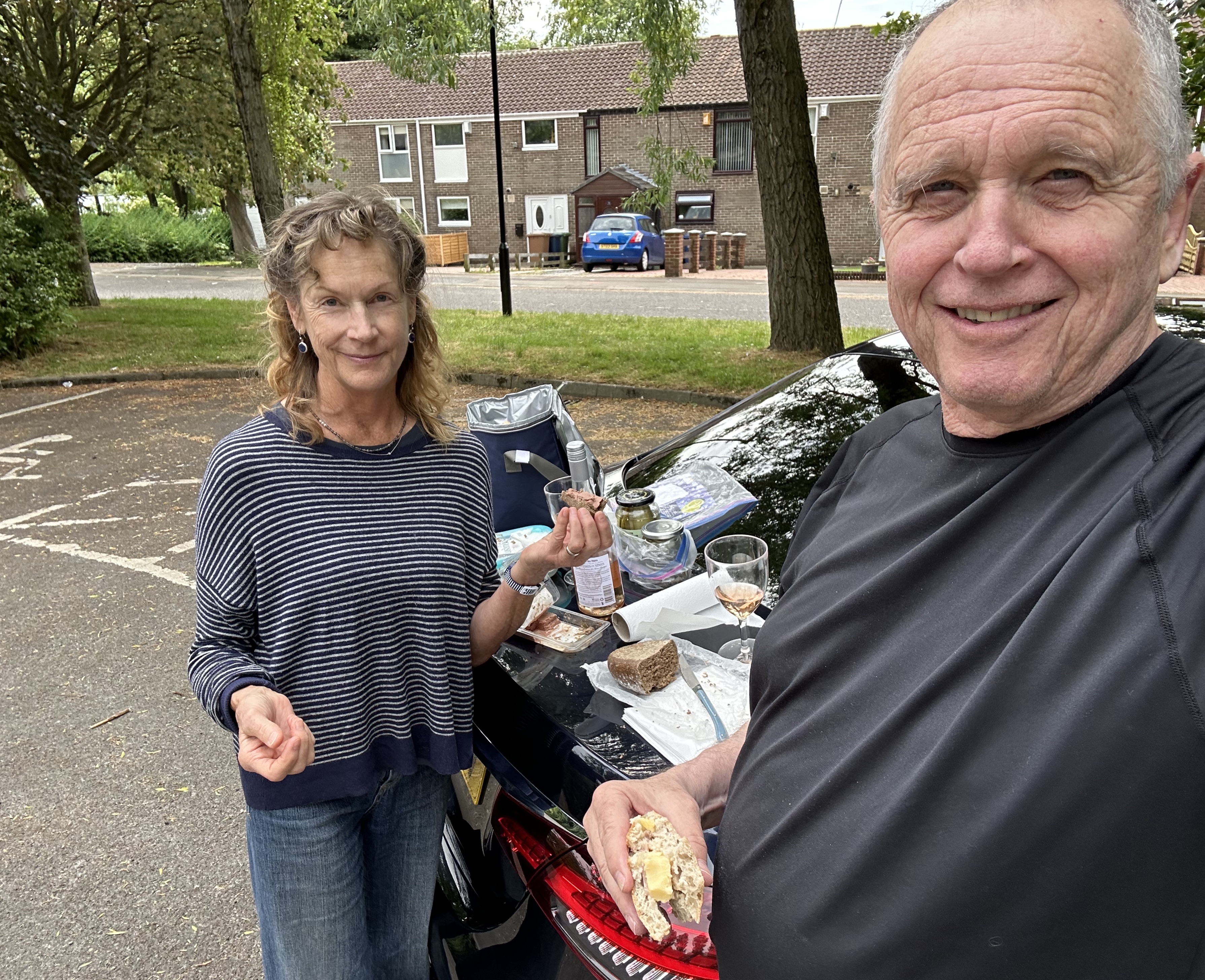
Rose: Our picnic lunches continue in various locales, always convenient; sometimes scenic. Afterwards, Dave typically seeks out a shot of espresso, easily done in France, but here, not so much. Until one day we stop for gas, and in drowsy post-prandial desperation, Dave buys a macchiato from a machine dispensing Costa Coffee and discovers it tastes exactly the way he likes it. Available at petrol stations all over England, Dave will enjoy many such automated Costa Coffee macchiatos, and he will never be disappointed
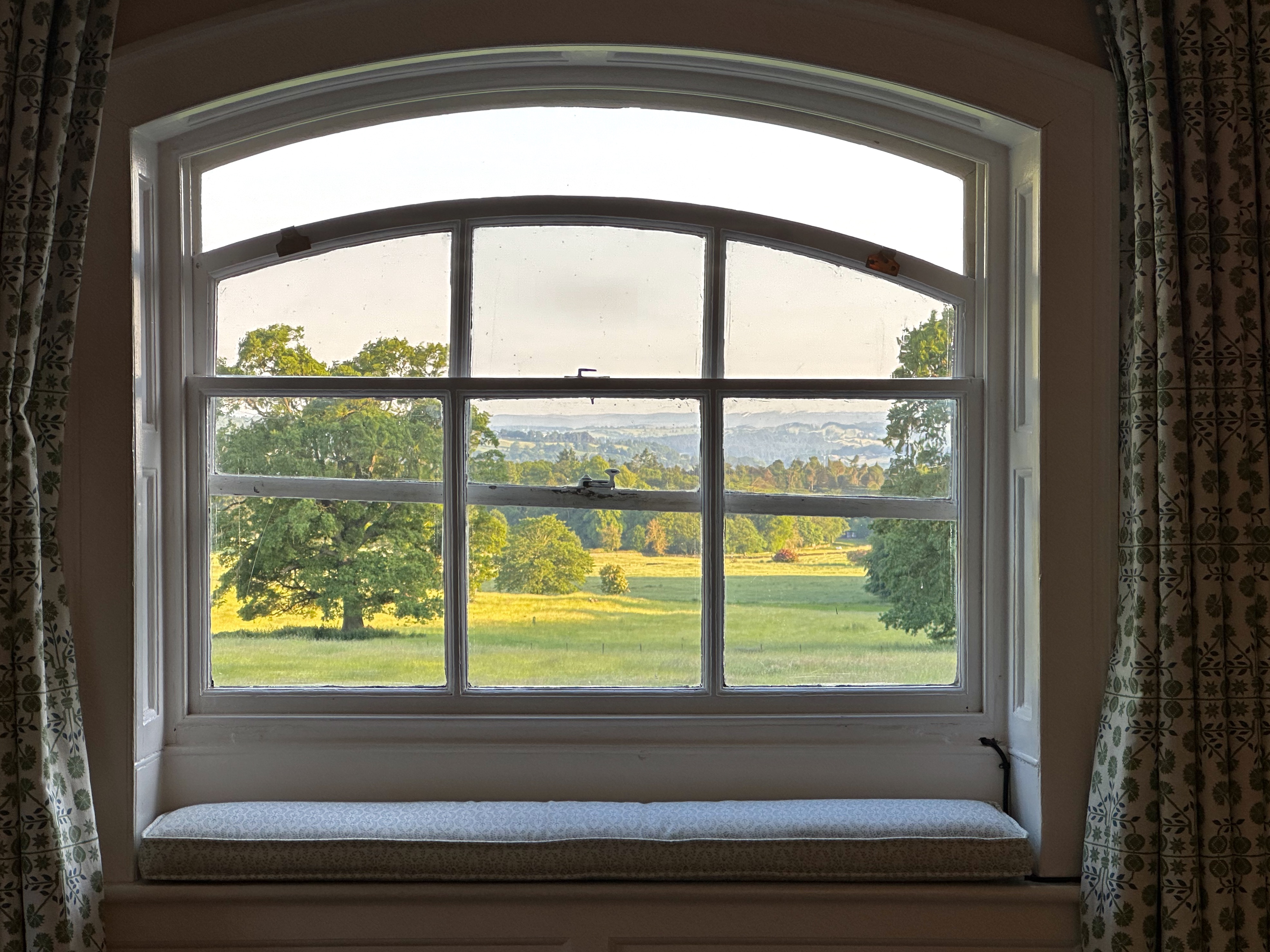
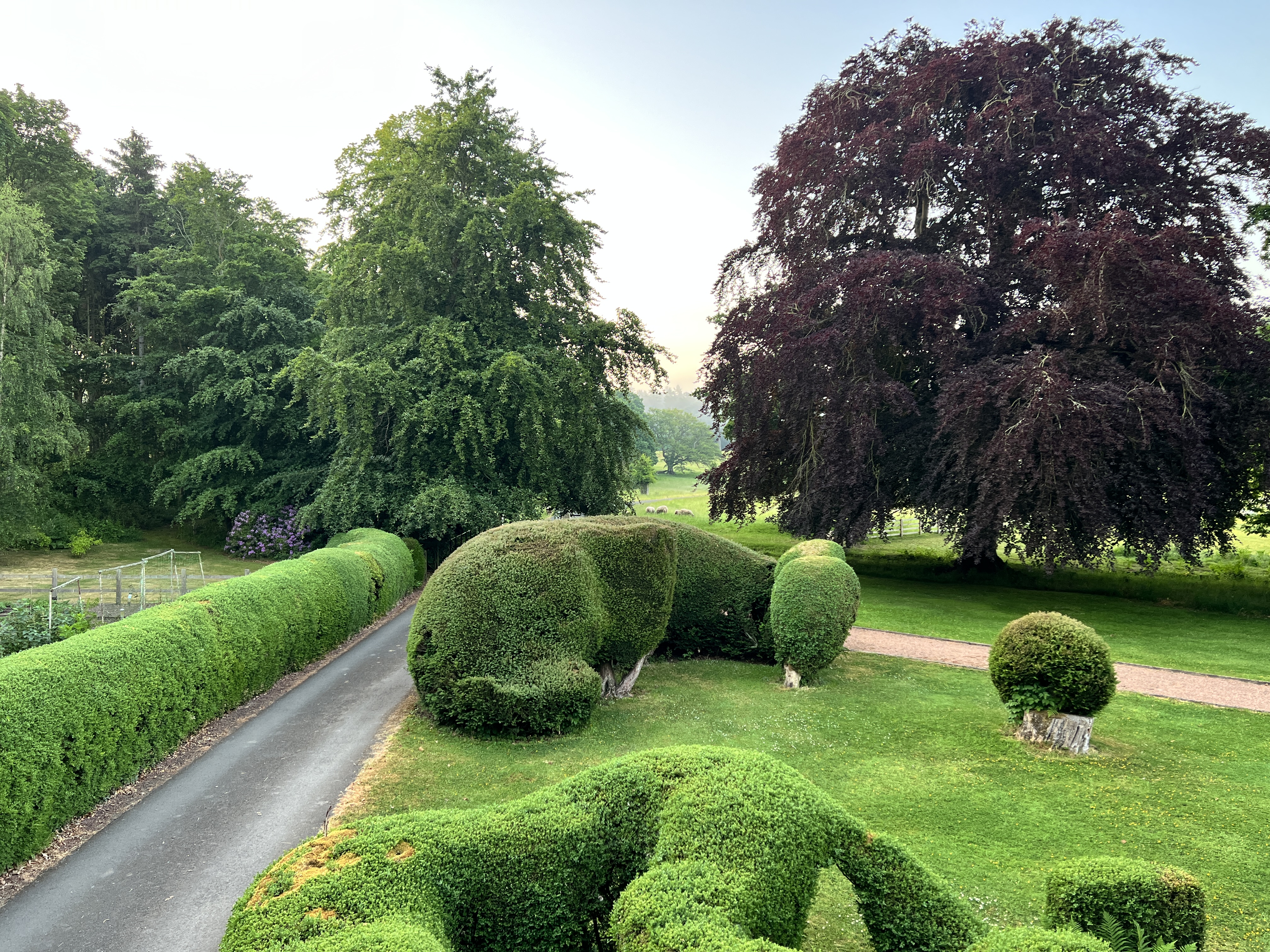
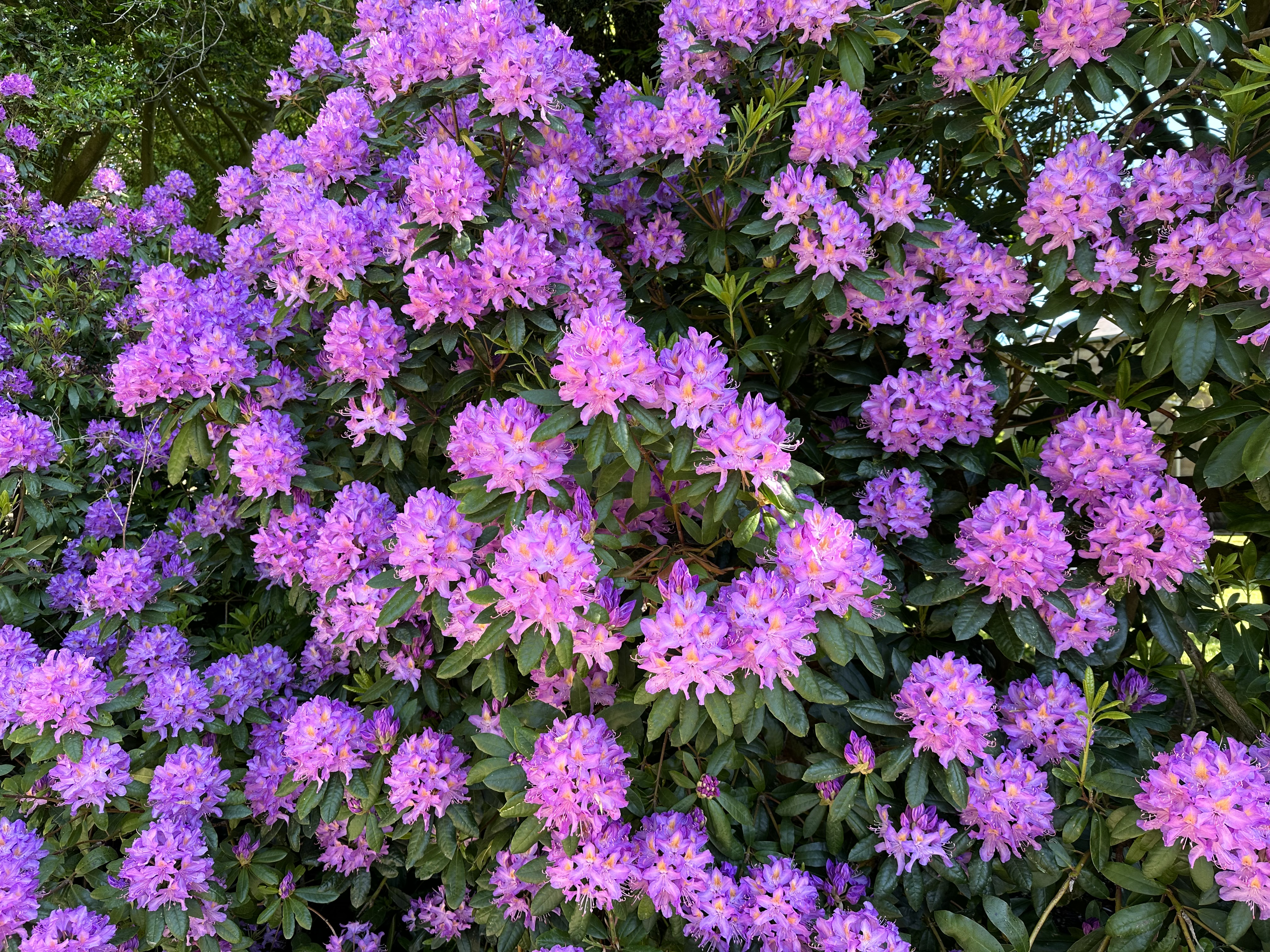
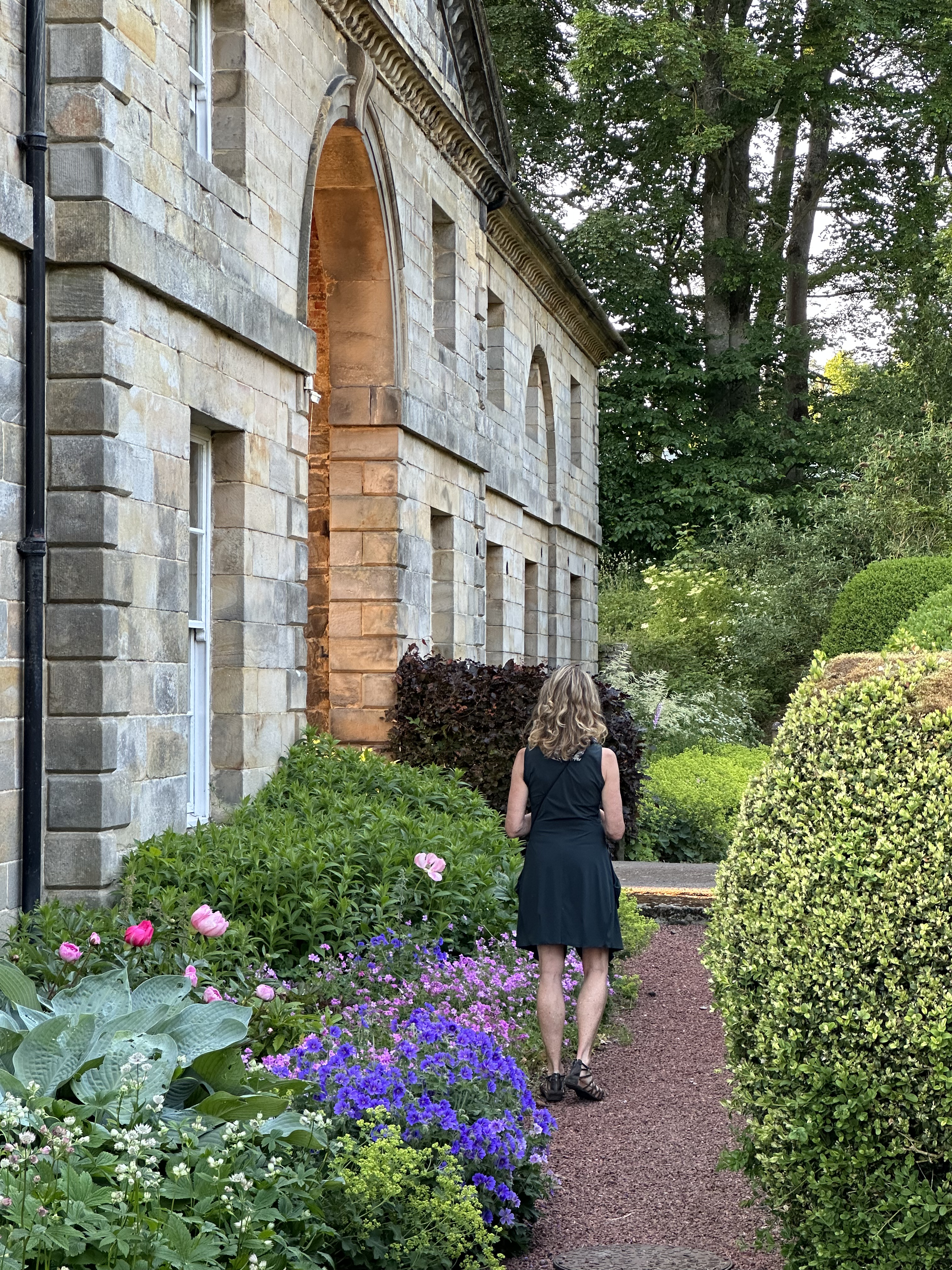
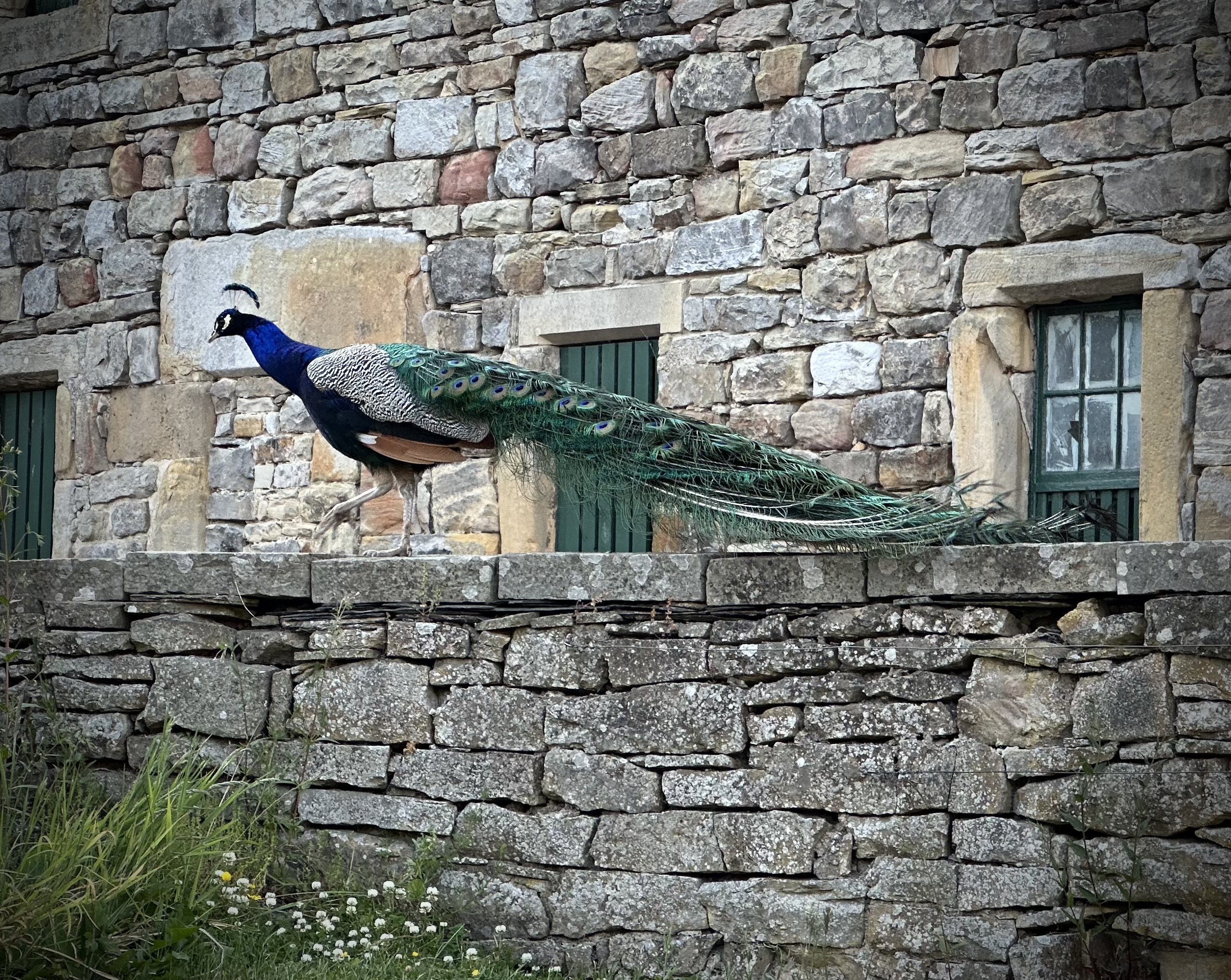
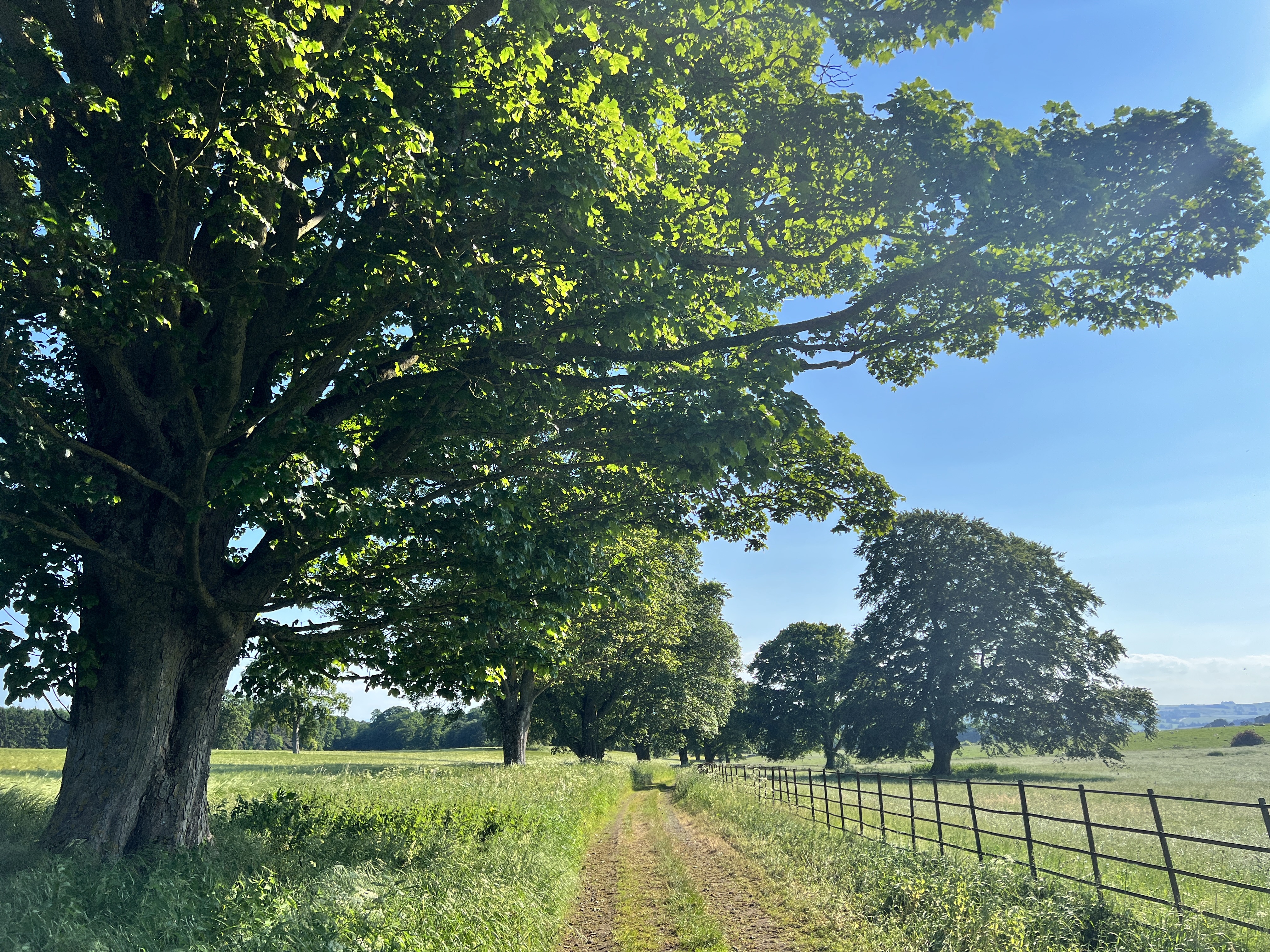
Rose: The serene countryside setting of Swinburne Castle, where Dave has booked us a two-night stay. Worn stone steps lead upstairs to our rooms in a converted stable block dating from the 17th century. Our bedroom windows look out over a seemingly endless expanse of parkland, majestic copper beeches and oak trees.
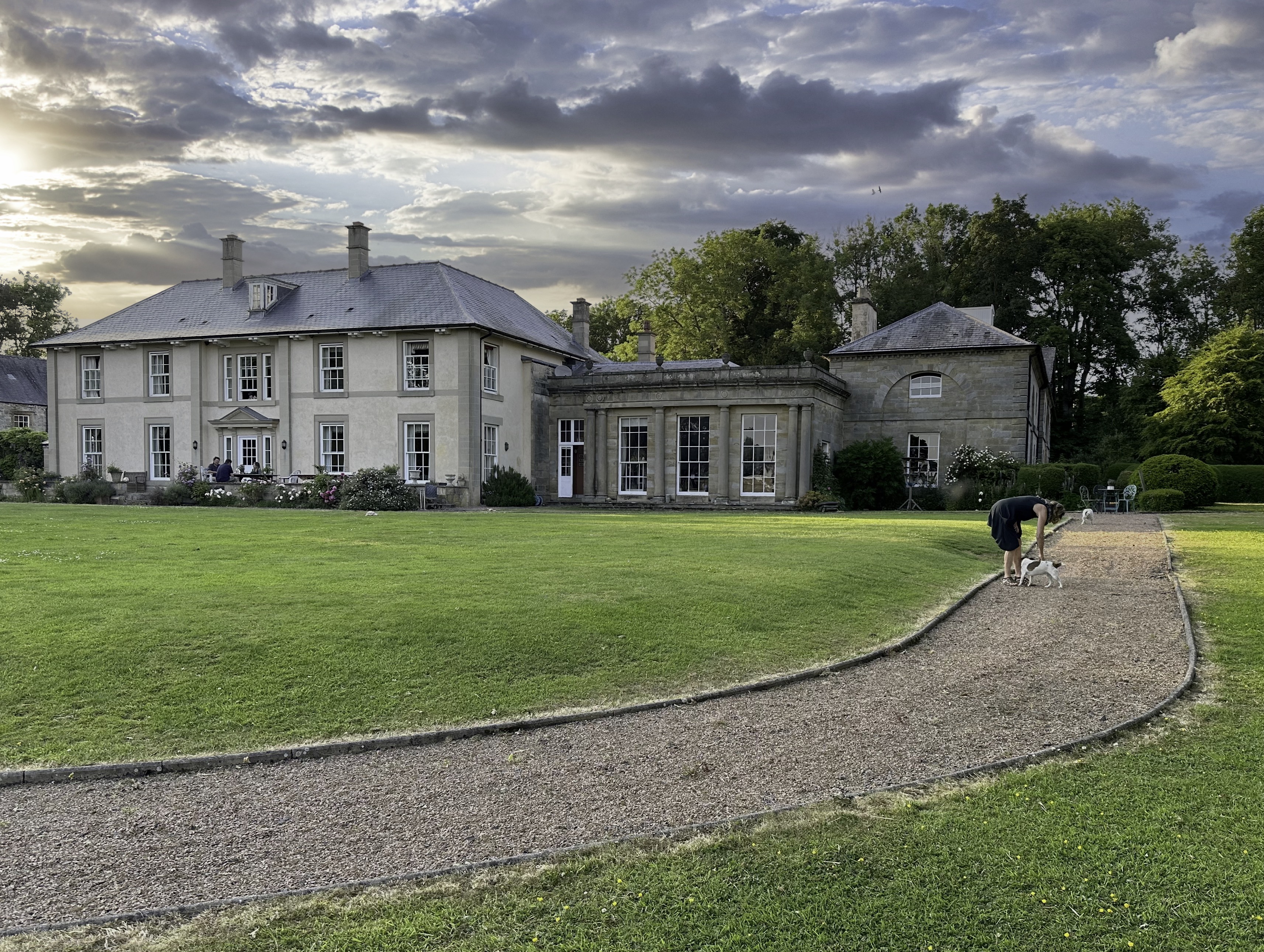
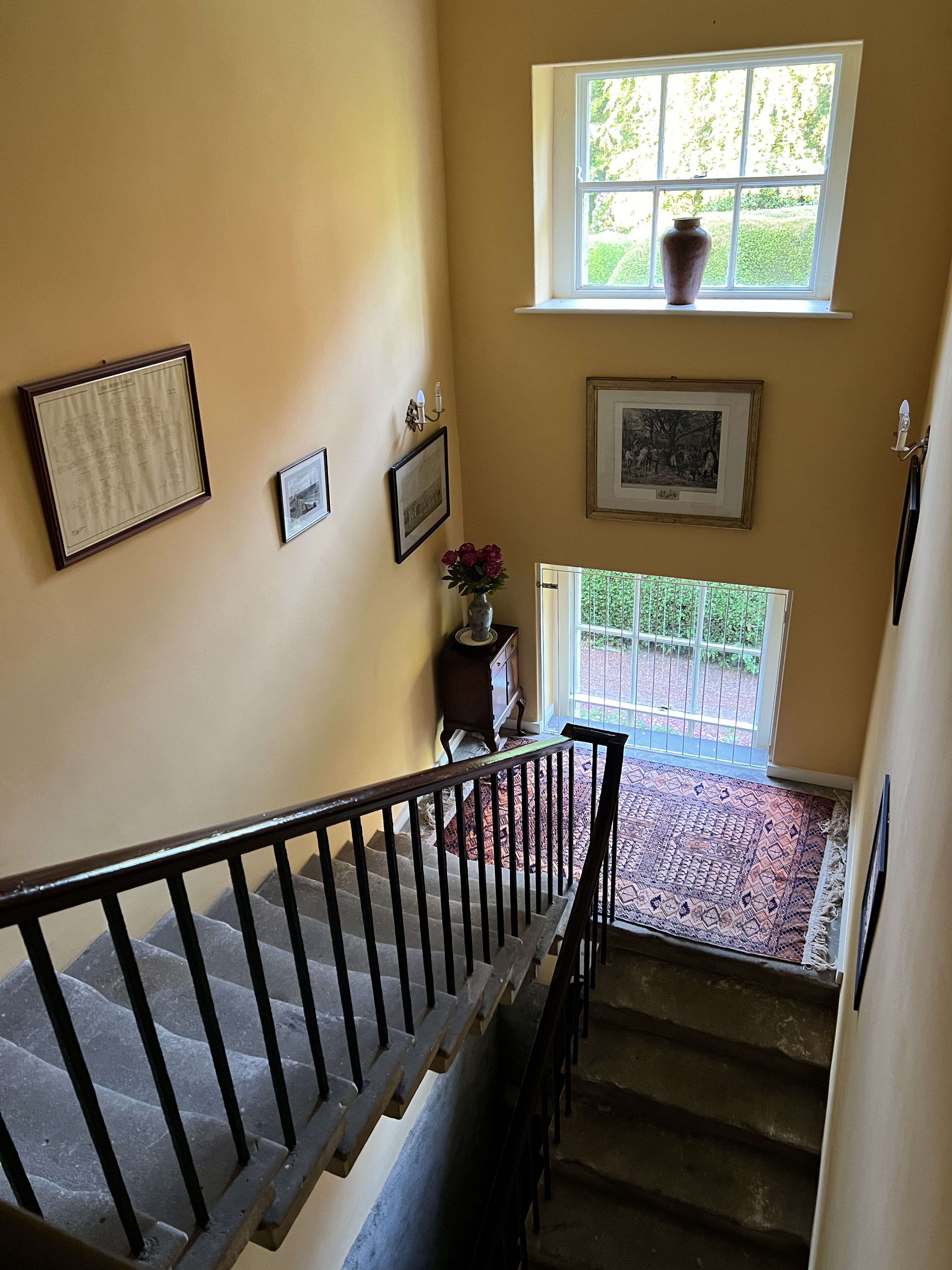
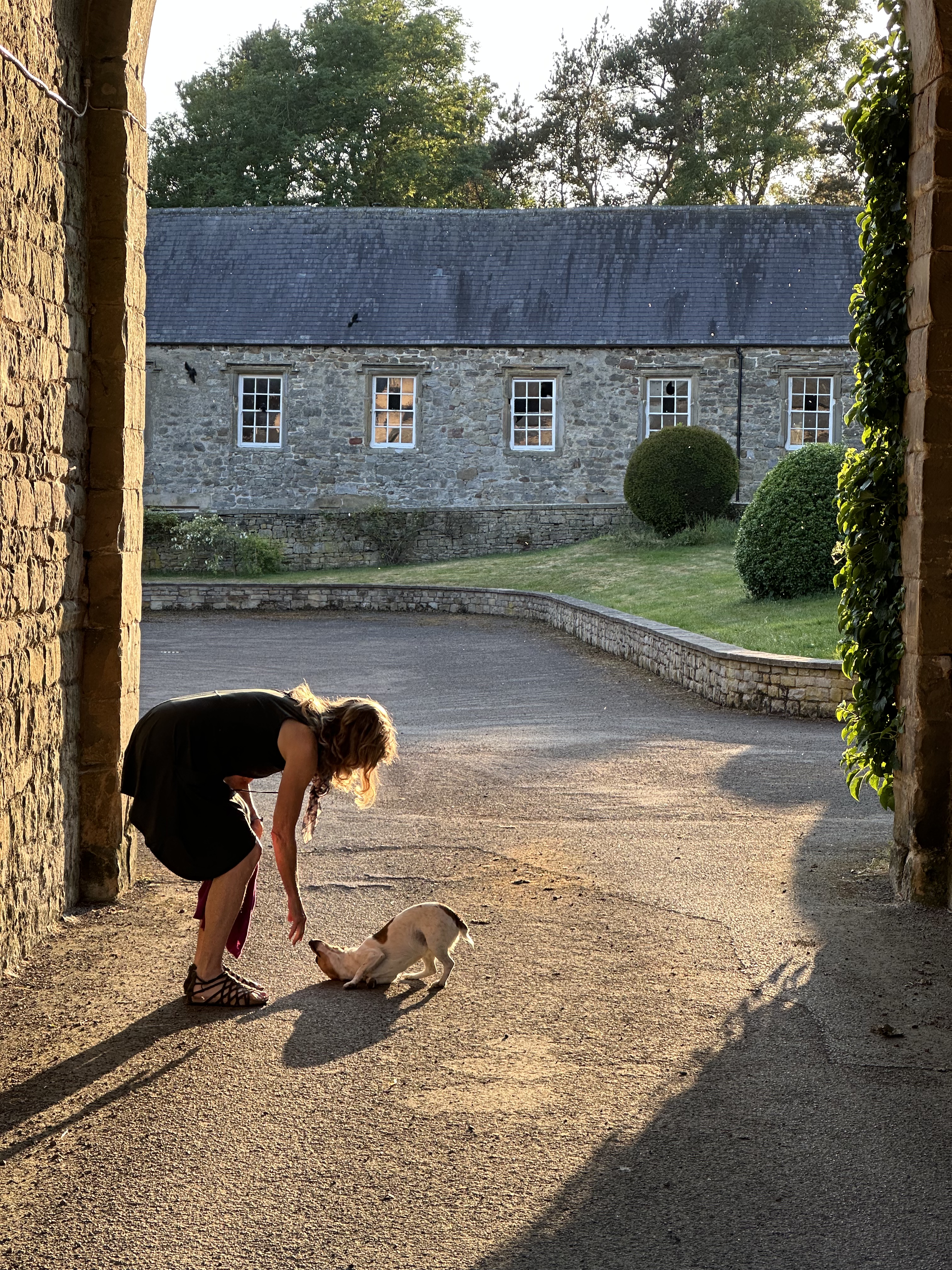
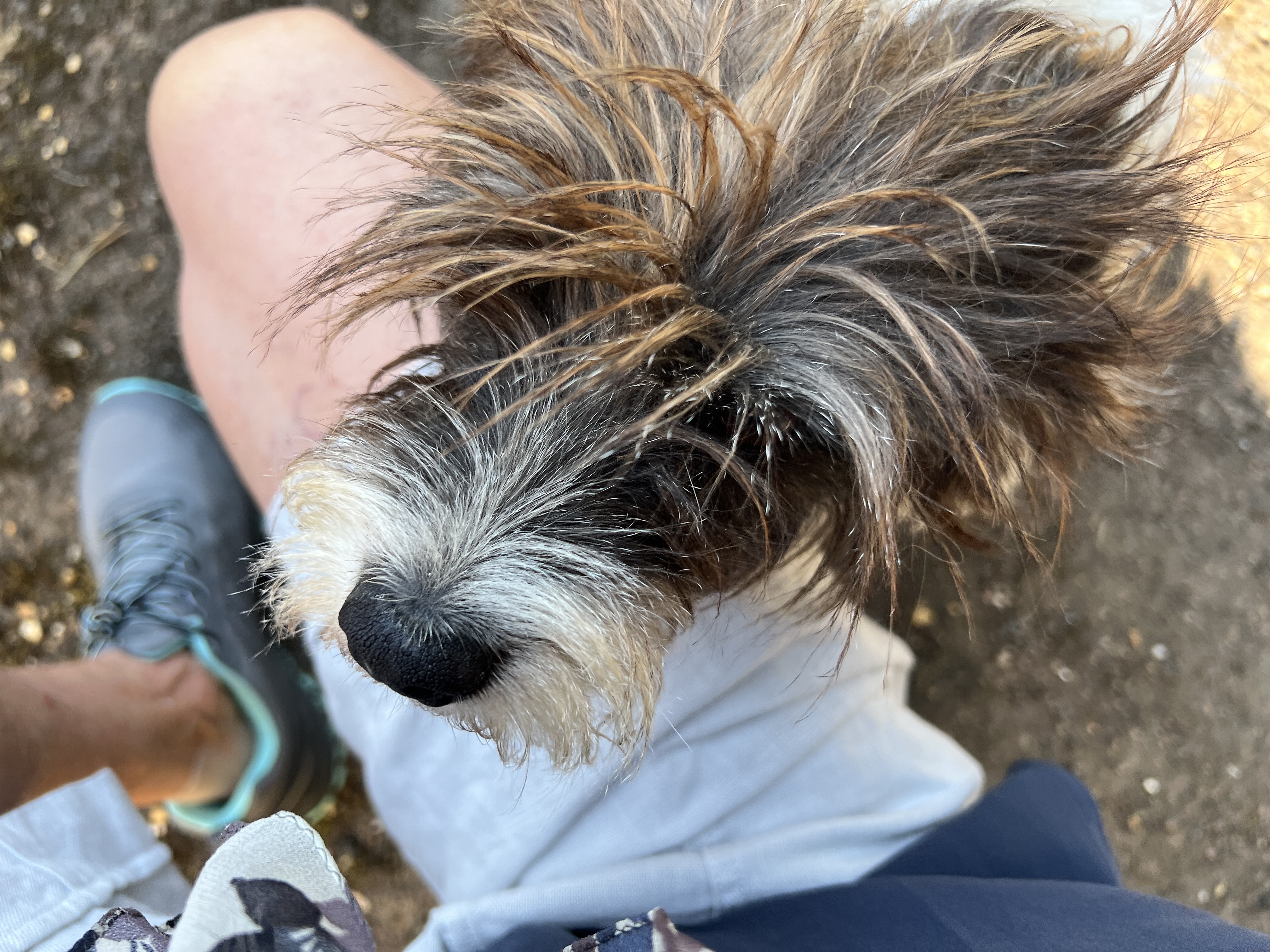
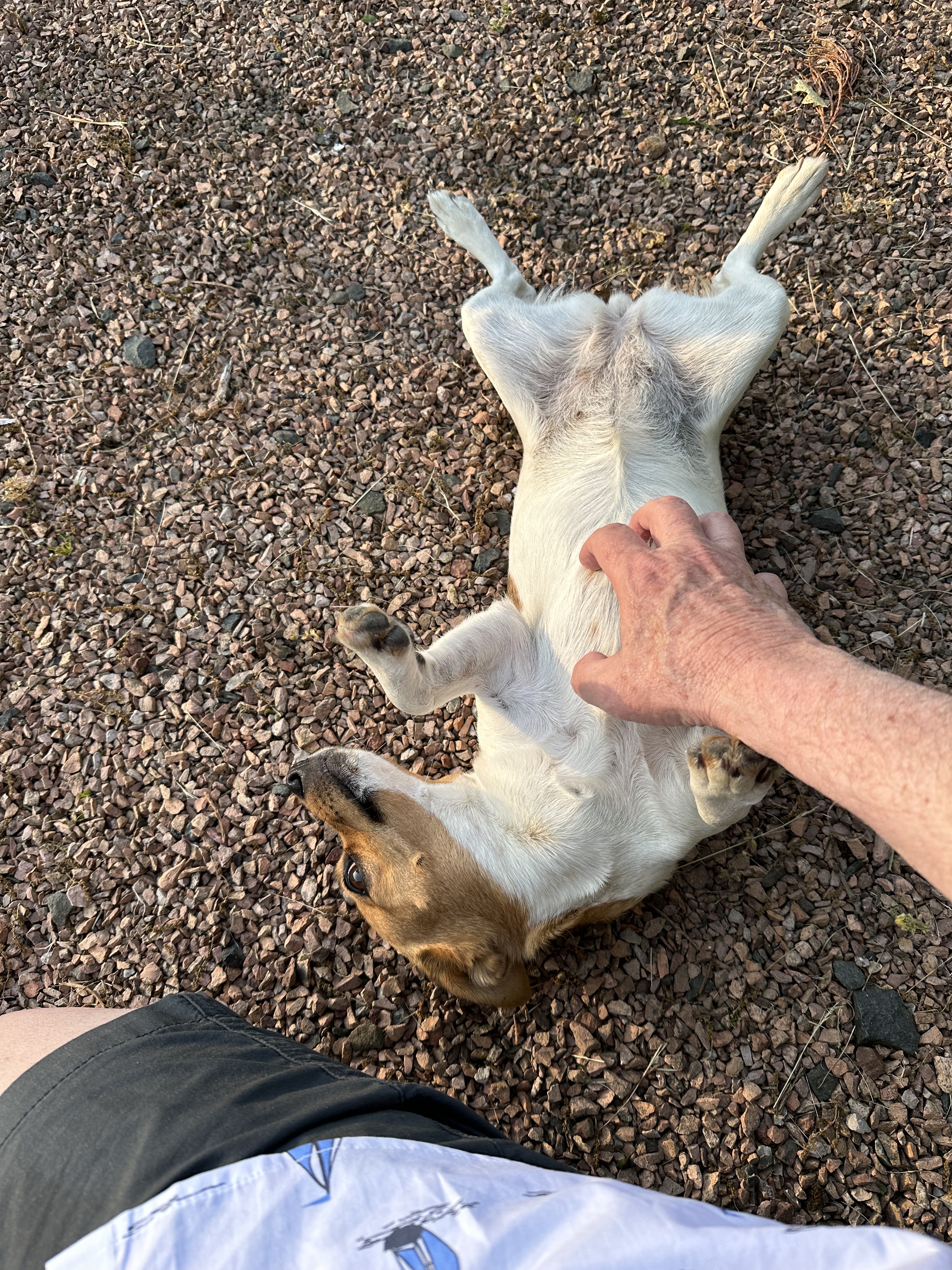
After settling in, Anna heads out for a walk, and is immediately accosted by Millie and Daisy, the resident mutts, who vie for her attention. After administering a belly rub to each dog, Anna sets off again, only to meet up a pack of beagles and their two handlers, approaching from the opposite direction. The dogs politely keep their distance while Anna chats with the men. It is a hot day, and one of the men explains that they’ve just taken the dogs to the “burn” (river) for a dip. “May I pet them?” Anna asks. “If you let one near, they’ll ALL want to know ye,” the handler answers, and indeed, as soon as Anna invites one hound to come closer, they all take turns leaping up, tails wagging. Pure joy, both canine and human.
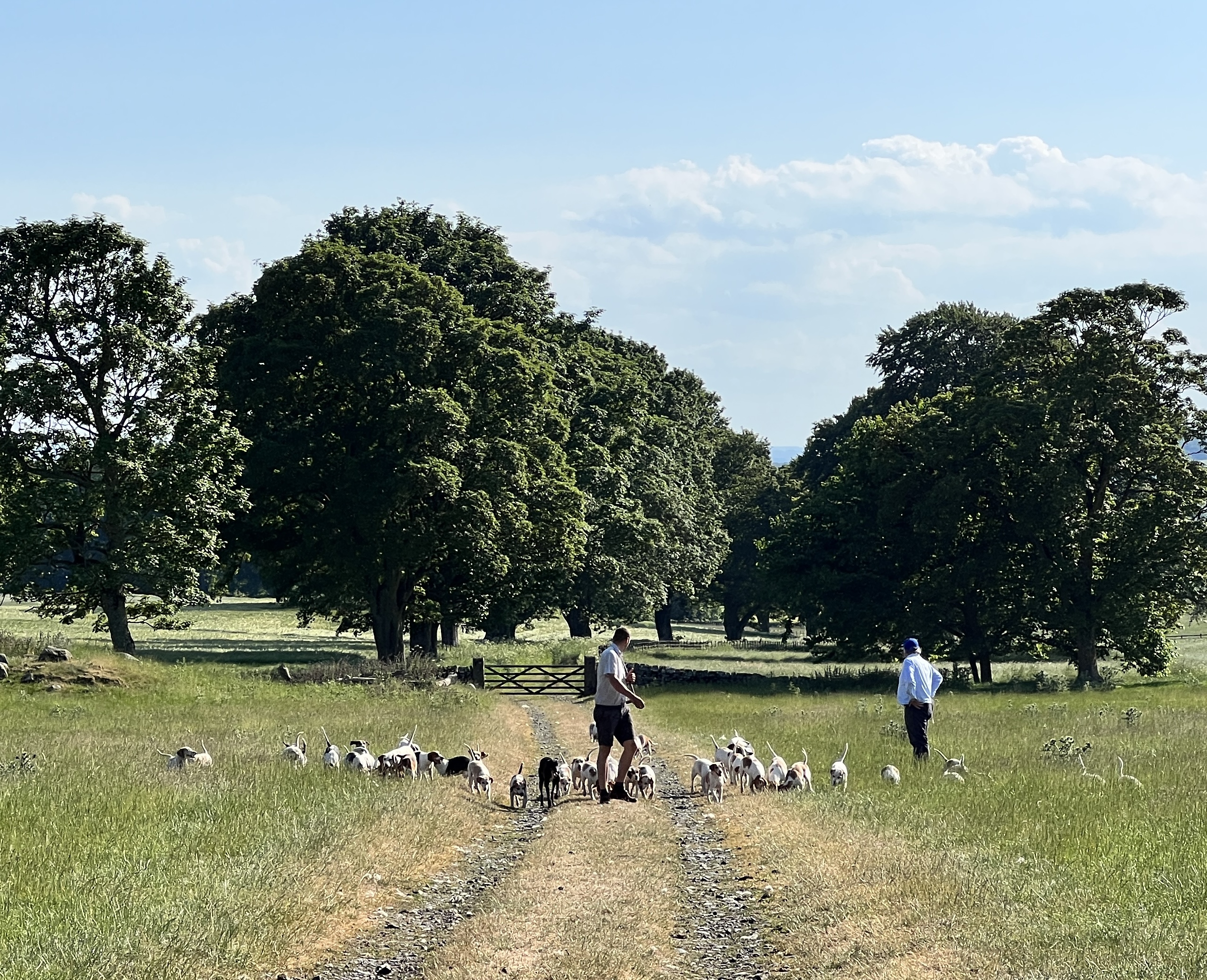
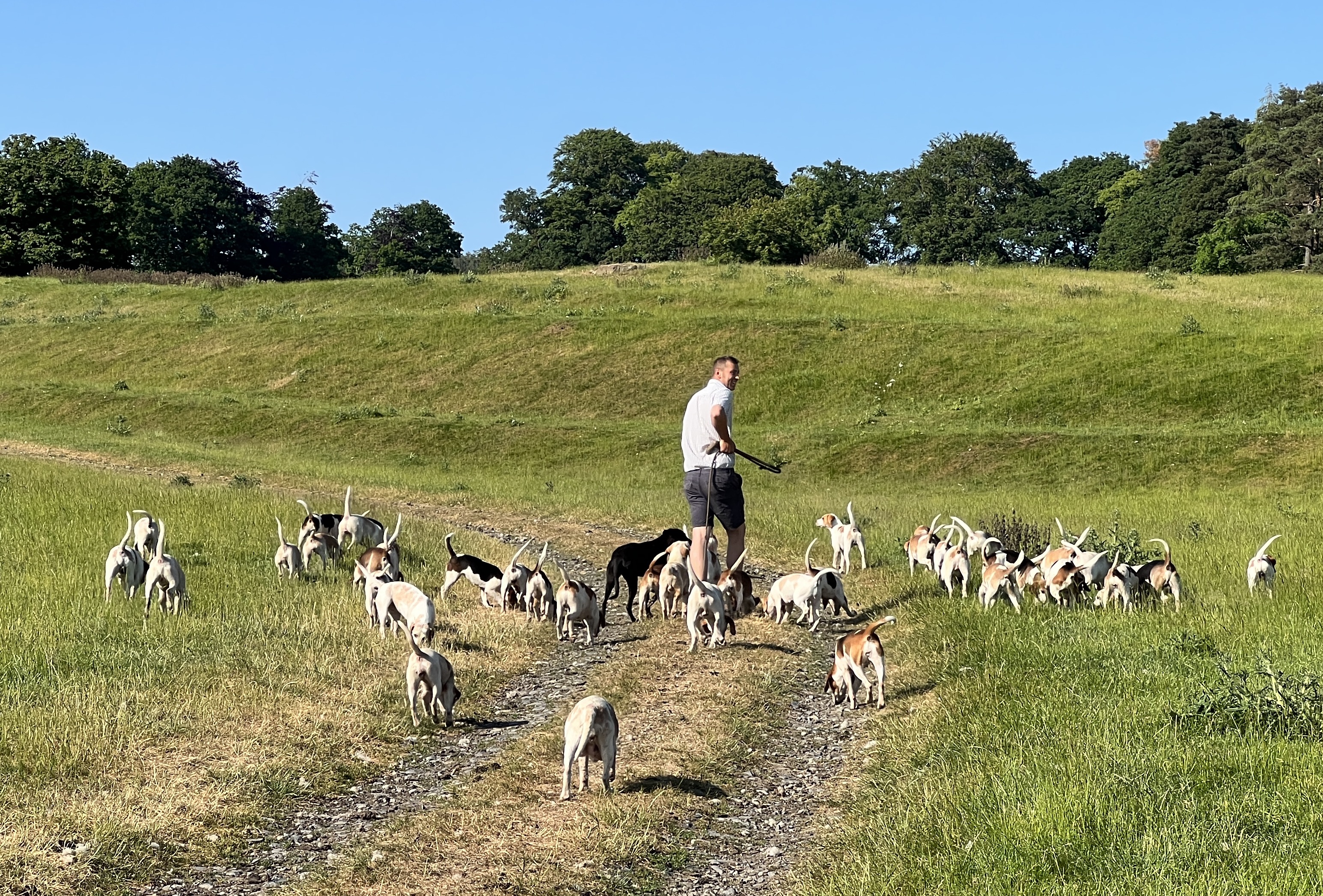
Thorn: Weak, spotty internet during our stay at Swinburne Castle. We have great difficulty accessing regional maps, the weather forecast or even email, and Anna loses an afternoon’s worth of work. Perhaps it is the price we pay for a tranquil setting: the more remote a location, the less connectivity.
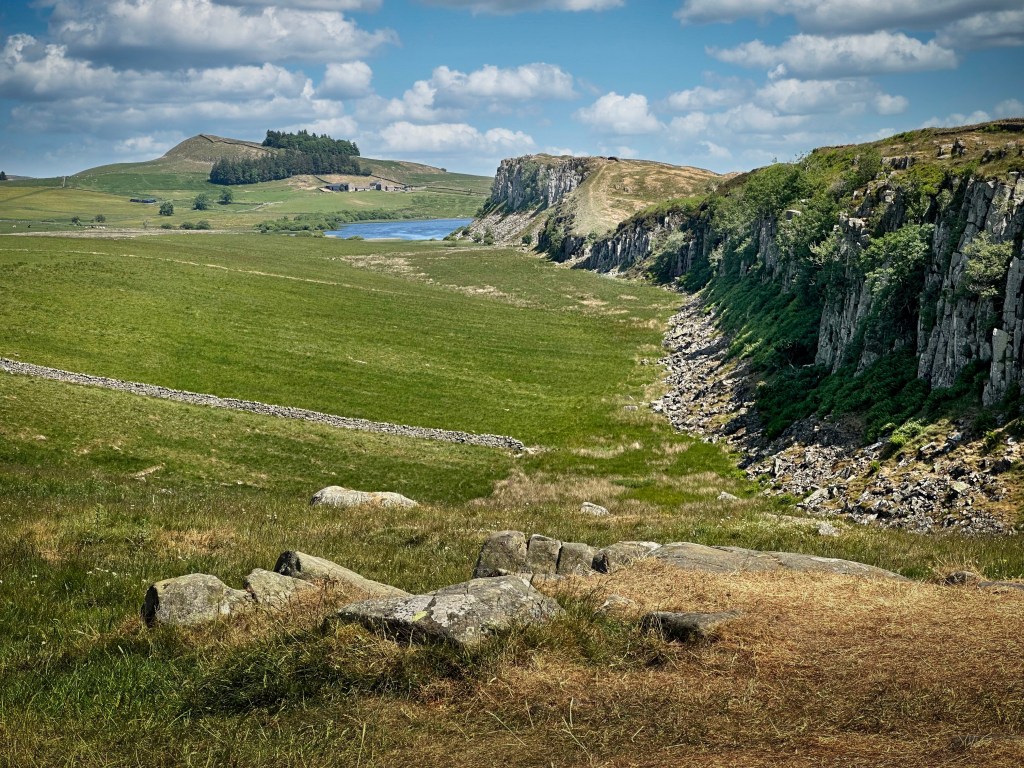
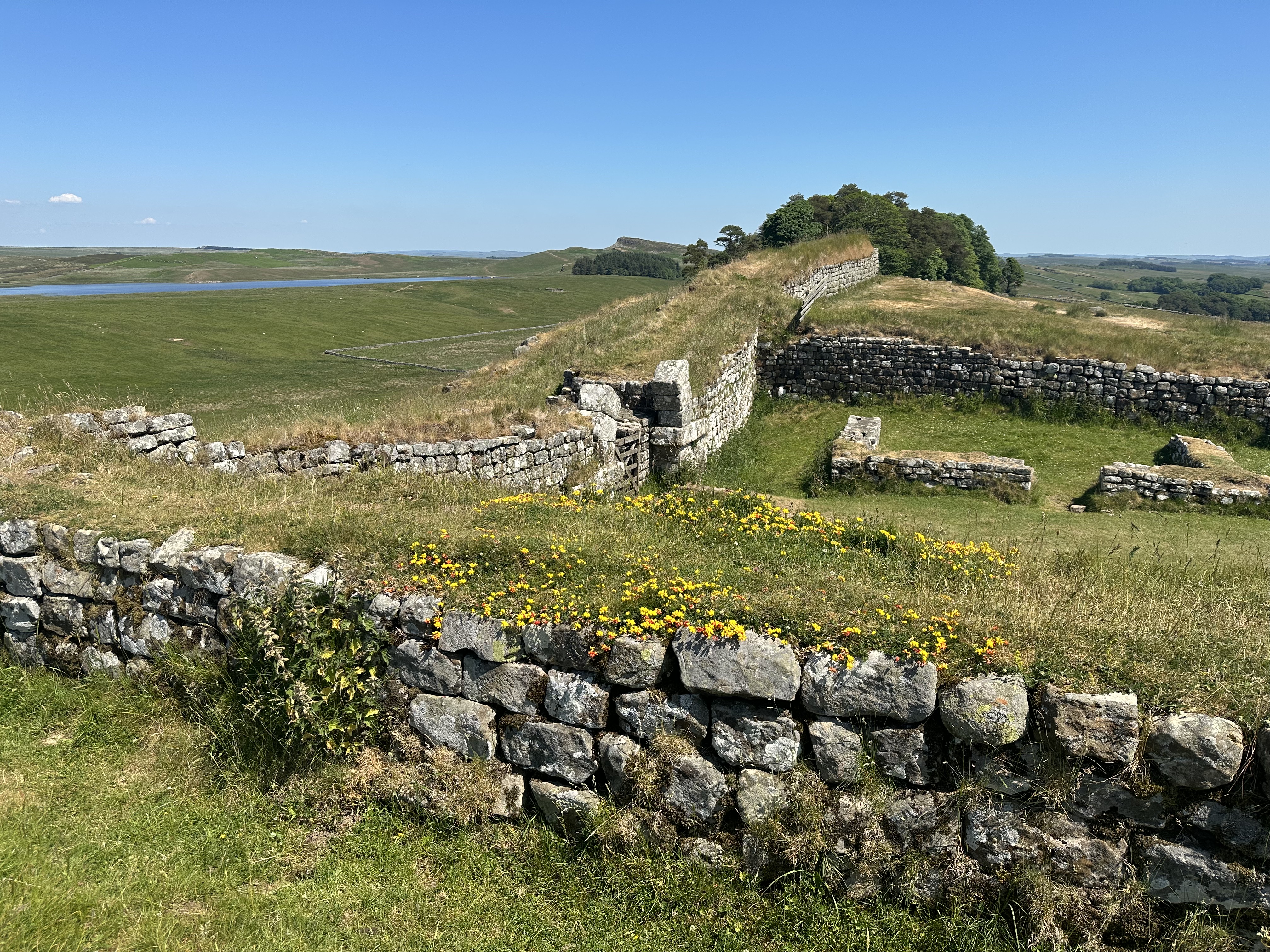
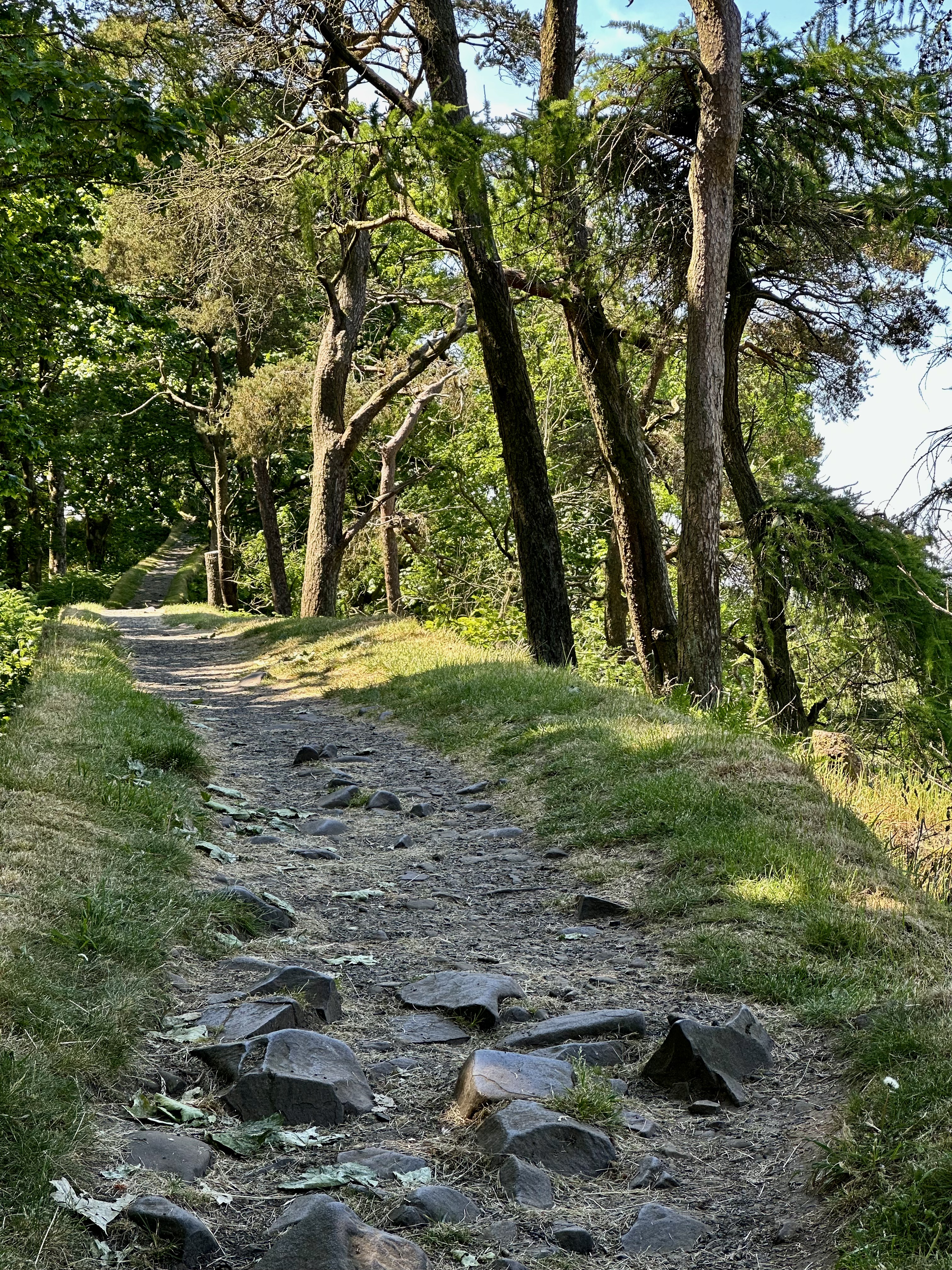
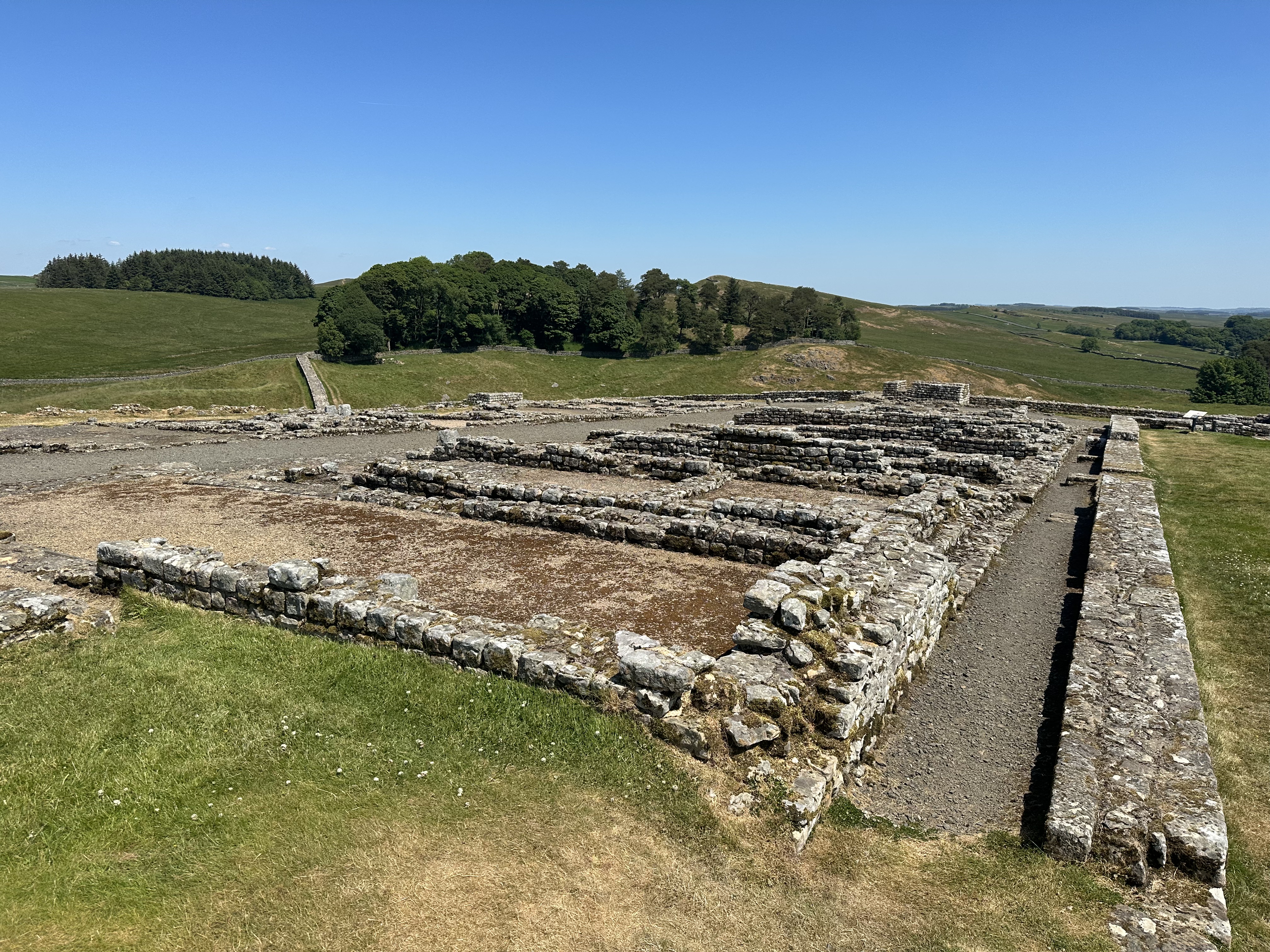
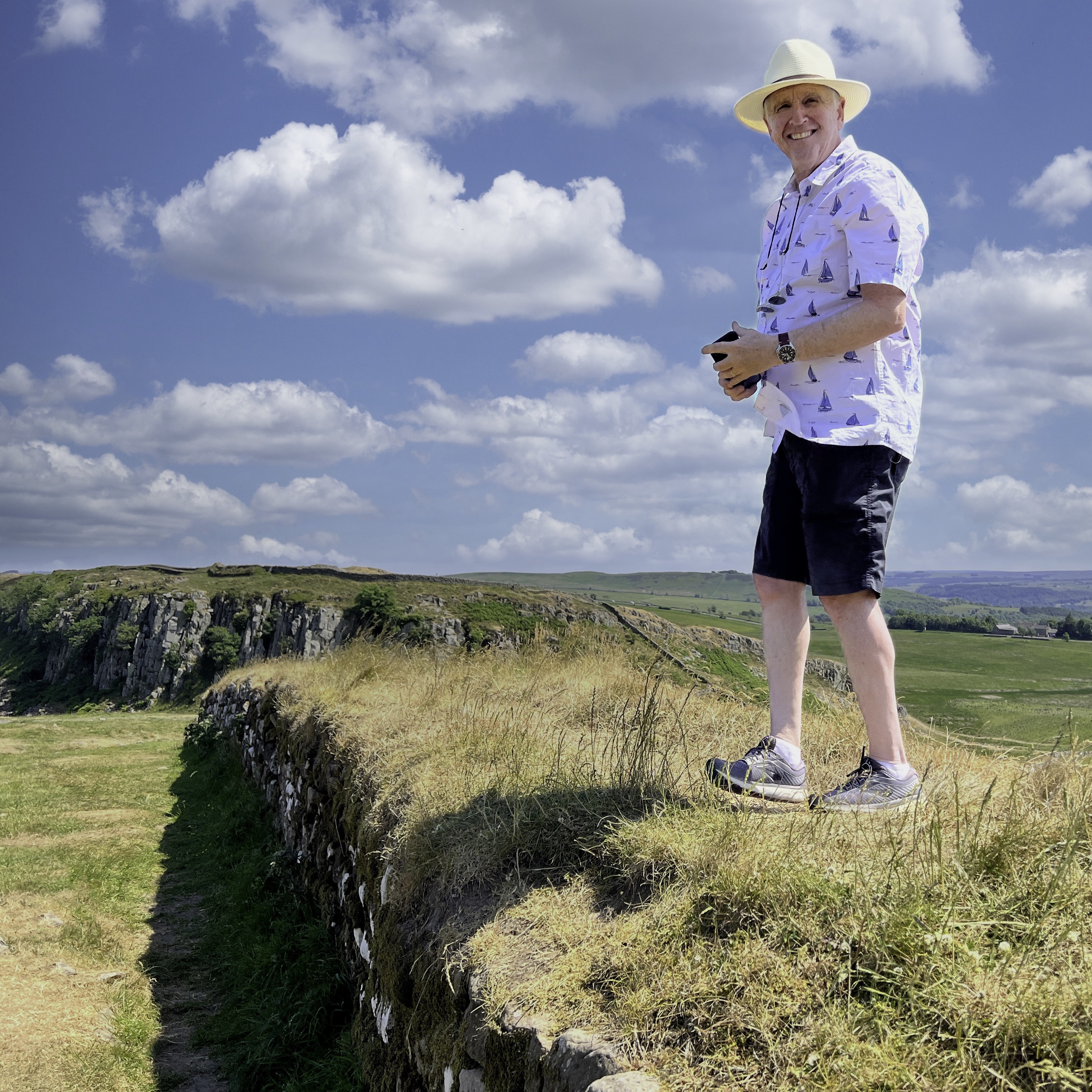
Roses: Roman ruins of Corbridge and Housesteads, a walk along sections of Hadrian’s Wall and The Sill, an impressive escarpment along part of the wall. We never fail to be awe-struck by the extent of the Roman empire, and the remnants that still exist, two thousand years later.

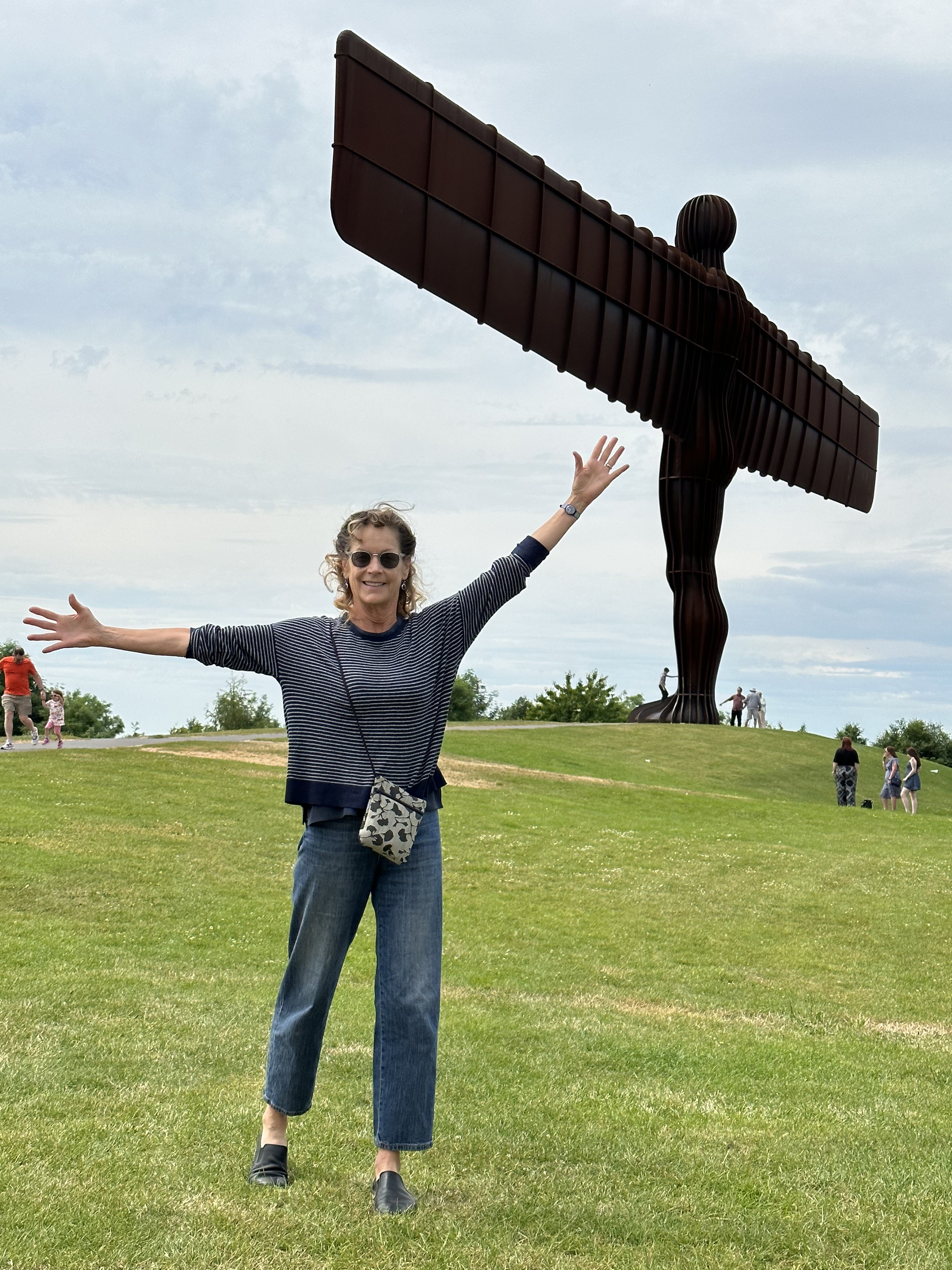
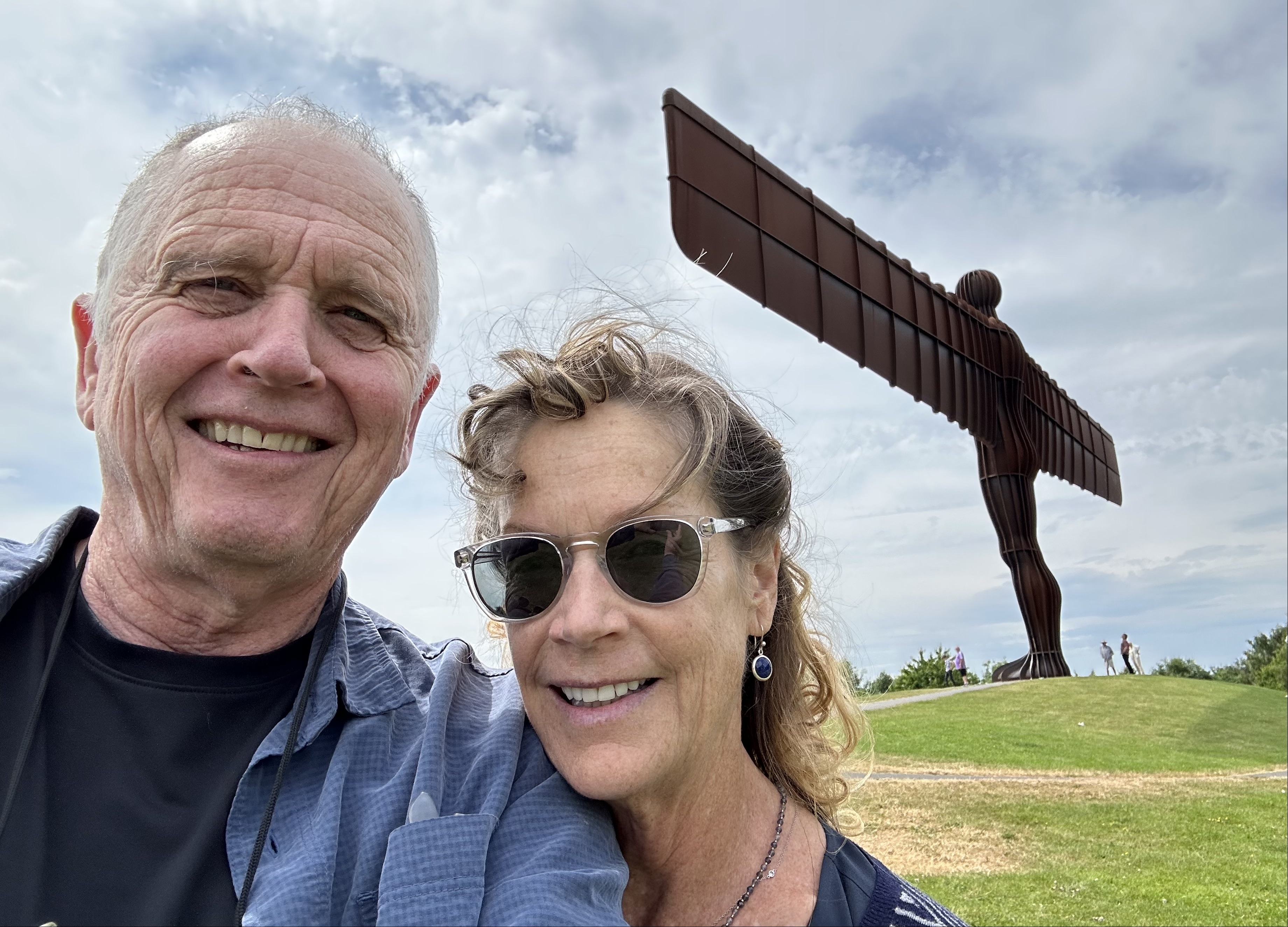
Rose: Passing through Newcastle-Upon-Tyne, we make a slight detour to Gateshead in order to visit a landmark piece of public art, the “Angel of the North”. This 65 foot-tall metal statue is as much a part of this region’s identity as the Statue of Liberty is to New York. It is also instantly recognizable to fans (like us) of Vera, the curmudgeonly detective played by Brenda Blethyn in the long-running British television program of the same name. Designed by sculptor Antony Gormley, the statue is made of Cor-ten steel, and stands on the former site of colliery pithead baths. According to Gormley, the angel has three functions: to remind us that below this site coal miners worked in the dark for two hundred years, to illustrate our transition from the industrial to the information age, and to provide a focus for our future hopes and fears.
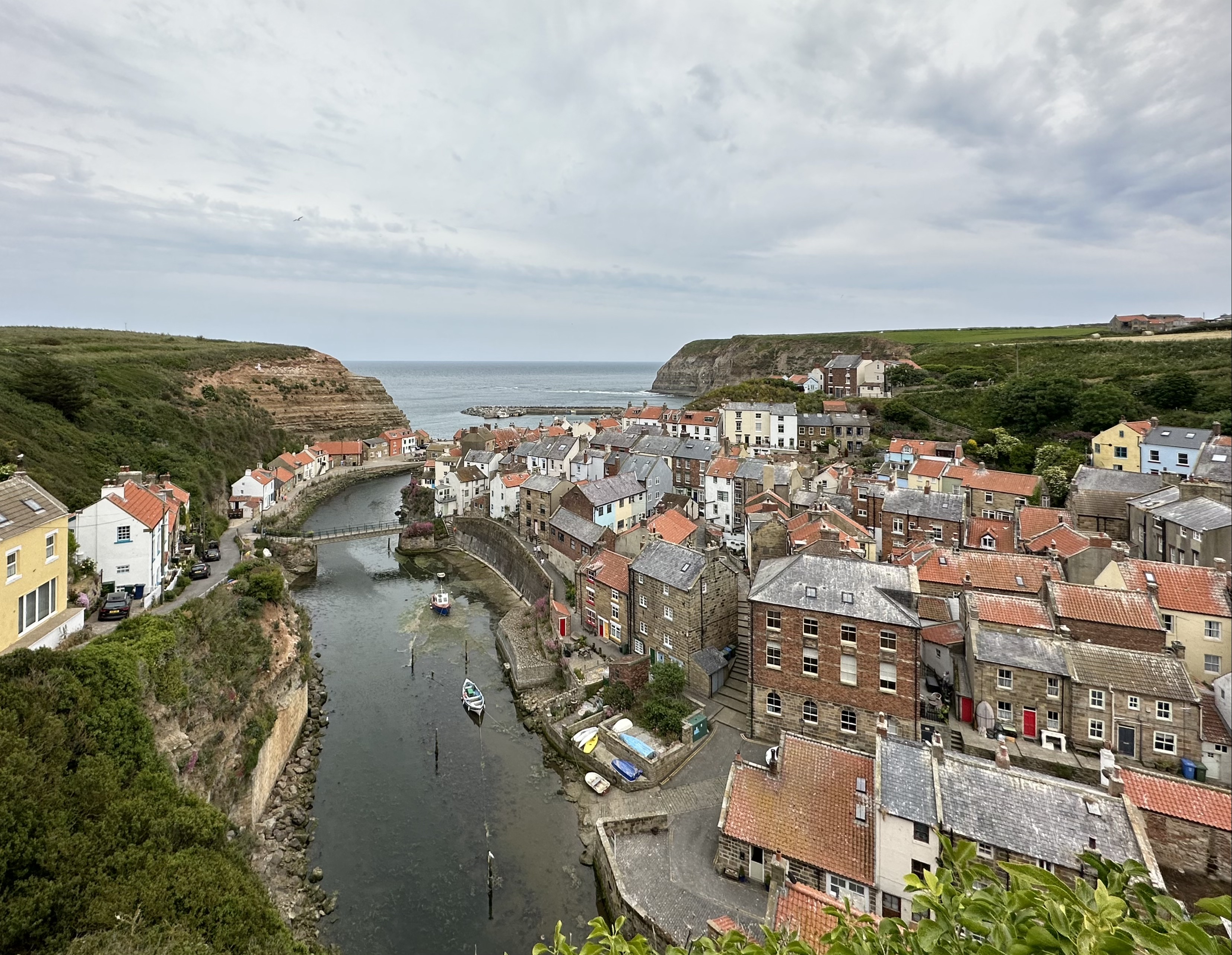
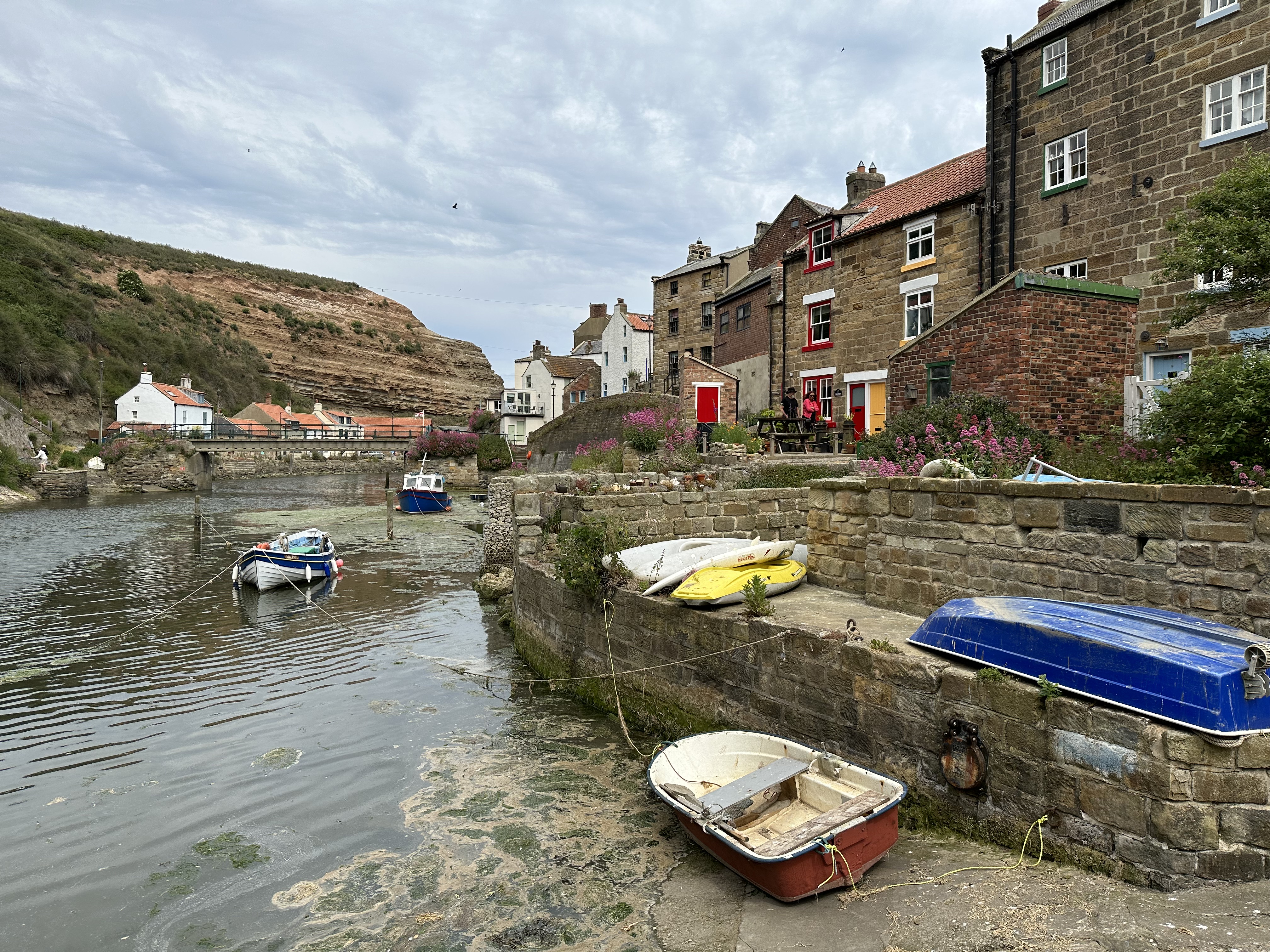
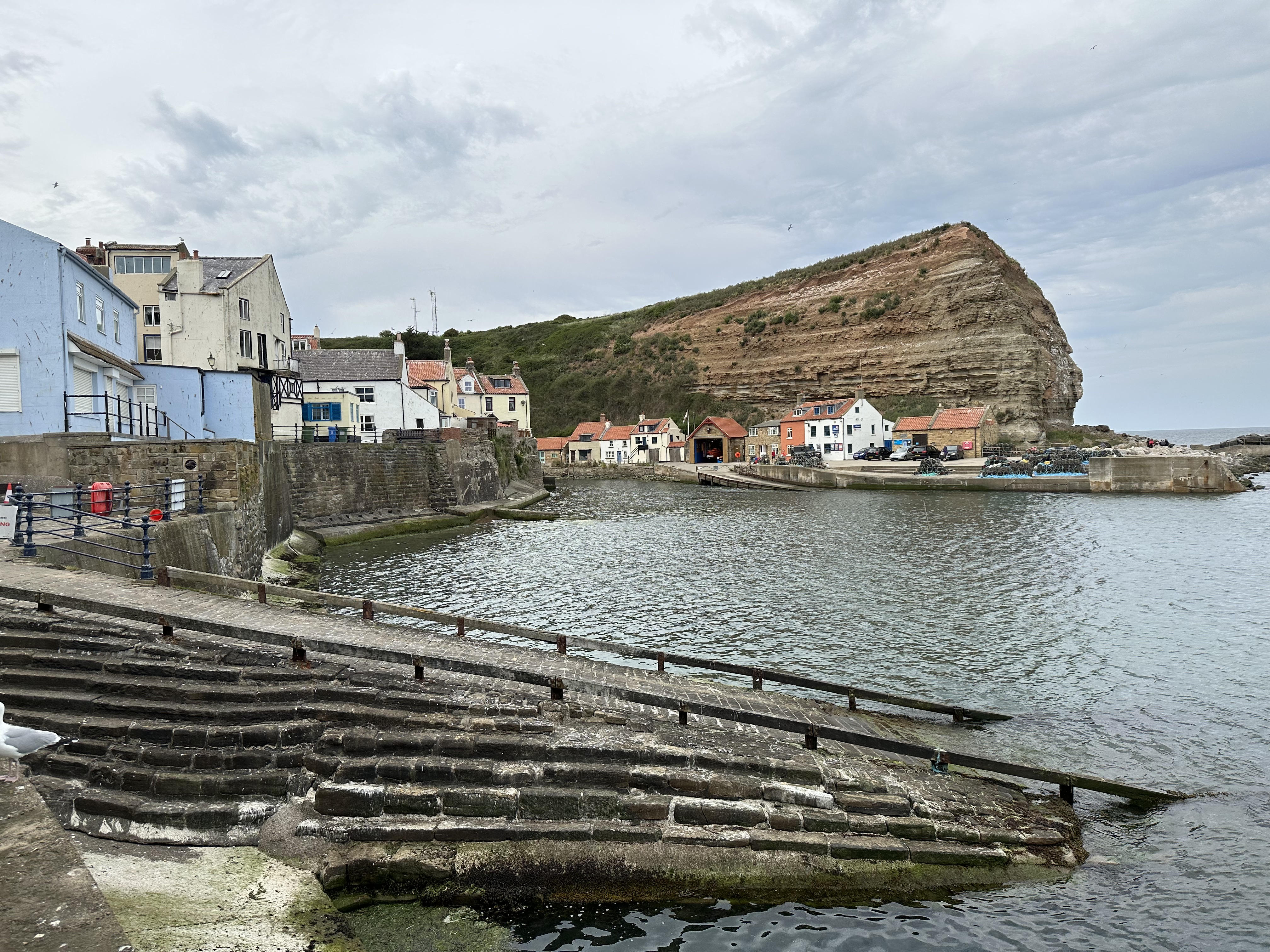
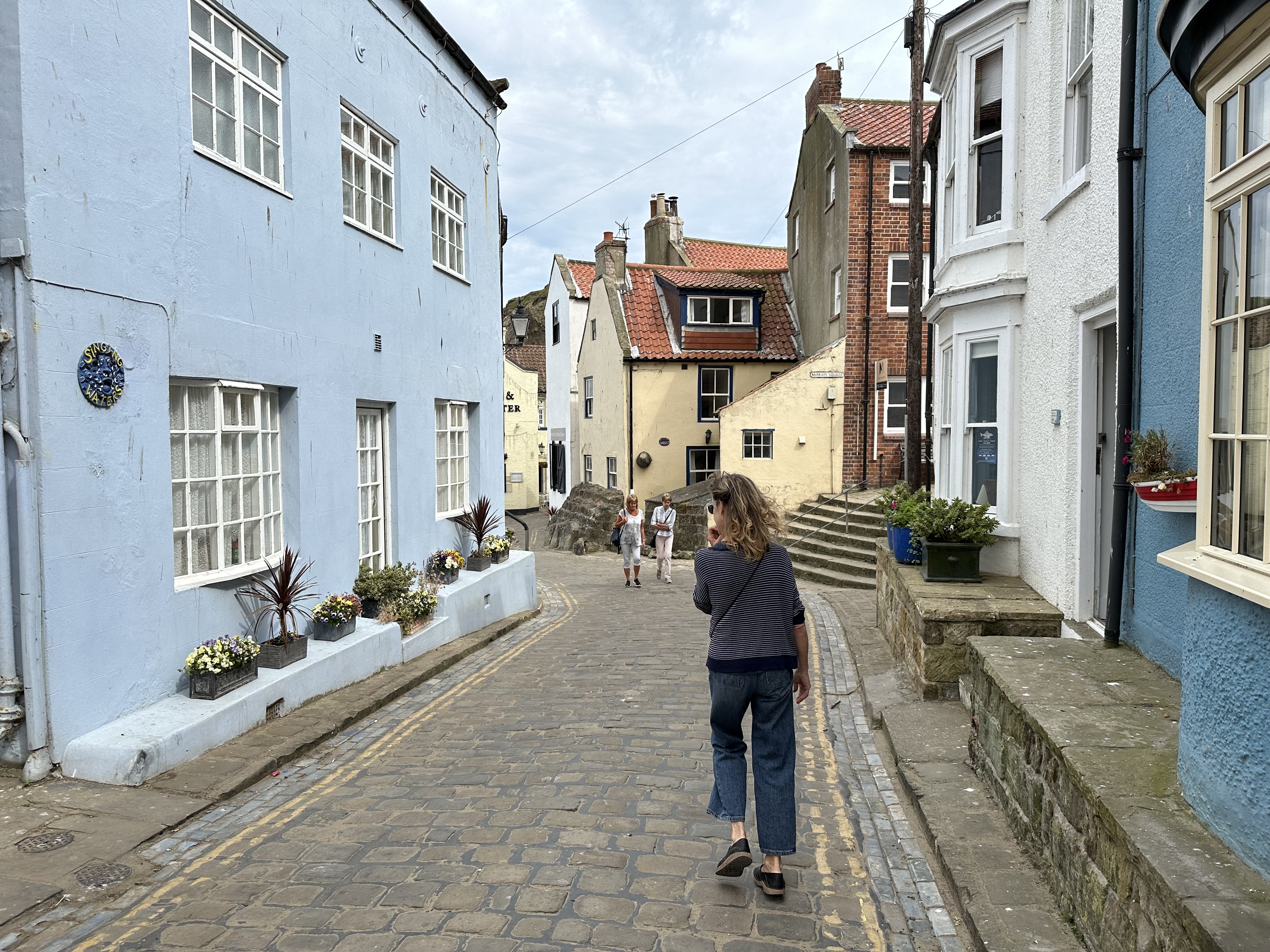
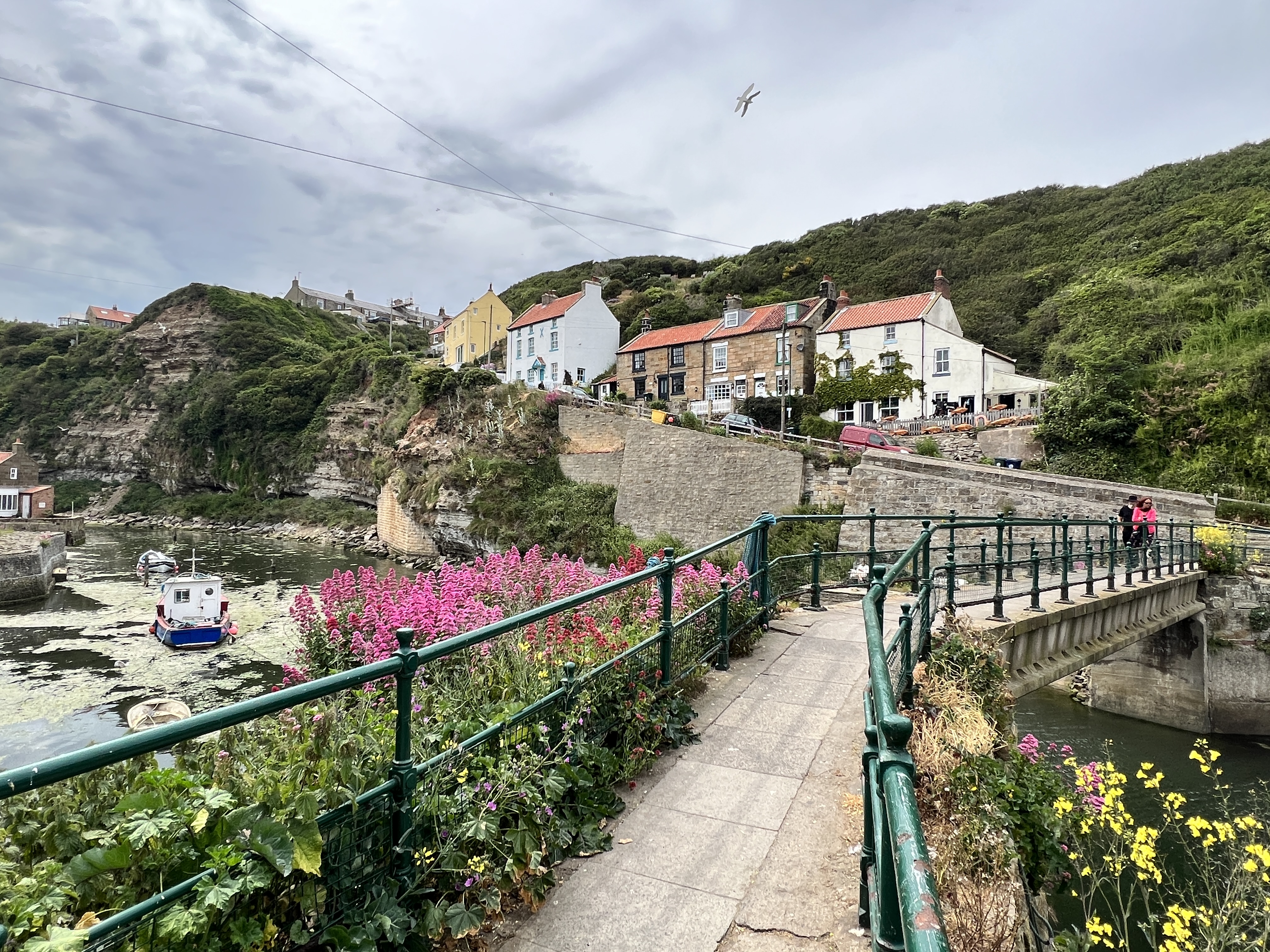
Rose: Coastal village of Staithes, birthplace of Captain Cook, the son of a butcher who decided he preferred life at sea, so he joined the navy and eventually discovered Australia, New Zealand, Hawaii and many other small islands in the Pacific. He also brought new diseases that wiped out almost half the populations of the places he visited, but that’s another story.
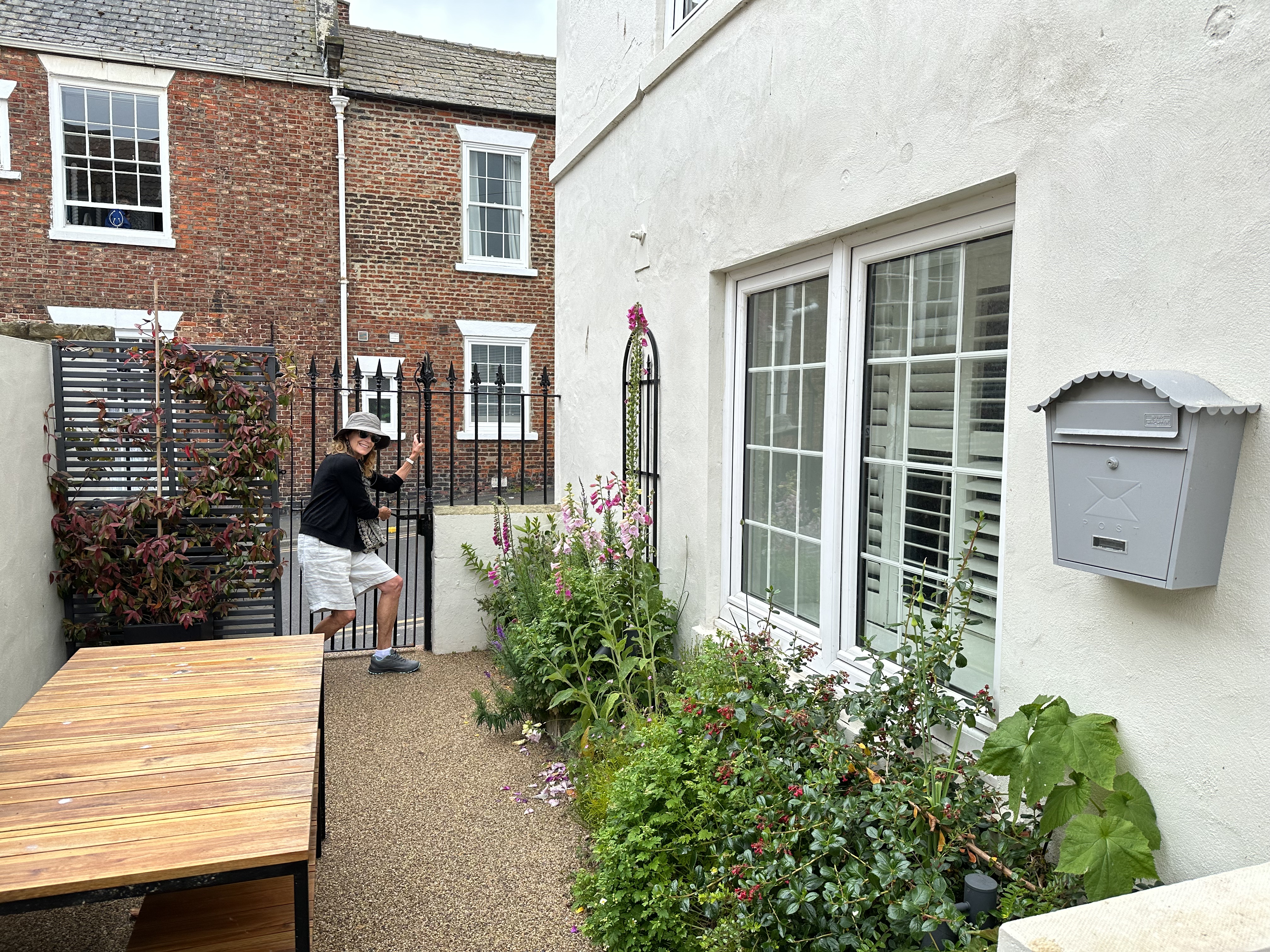
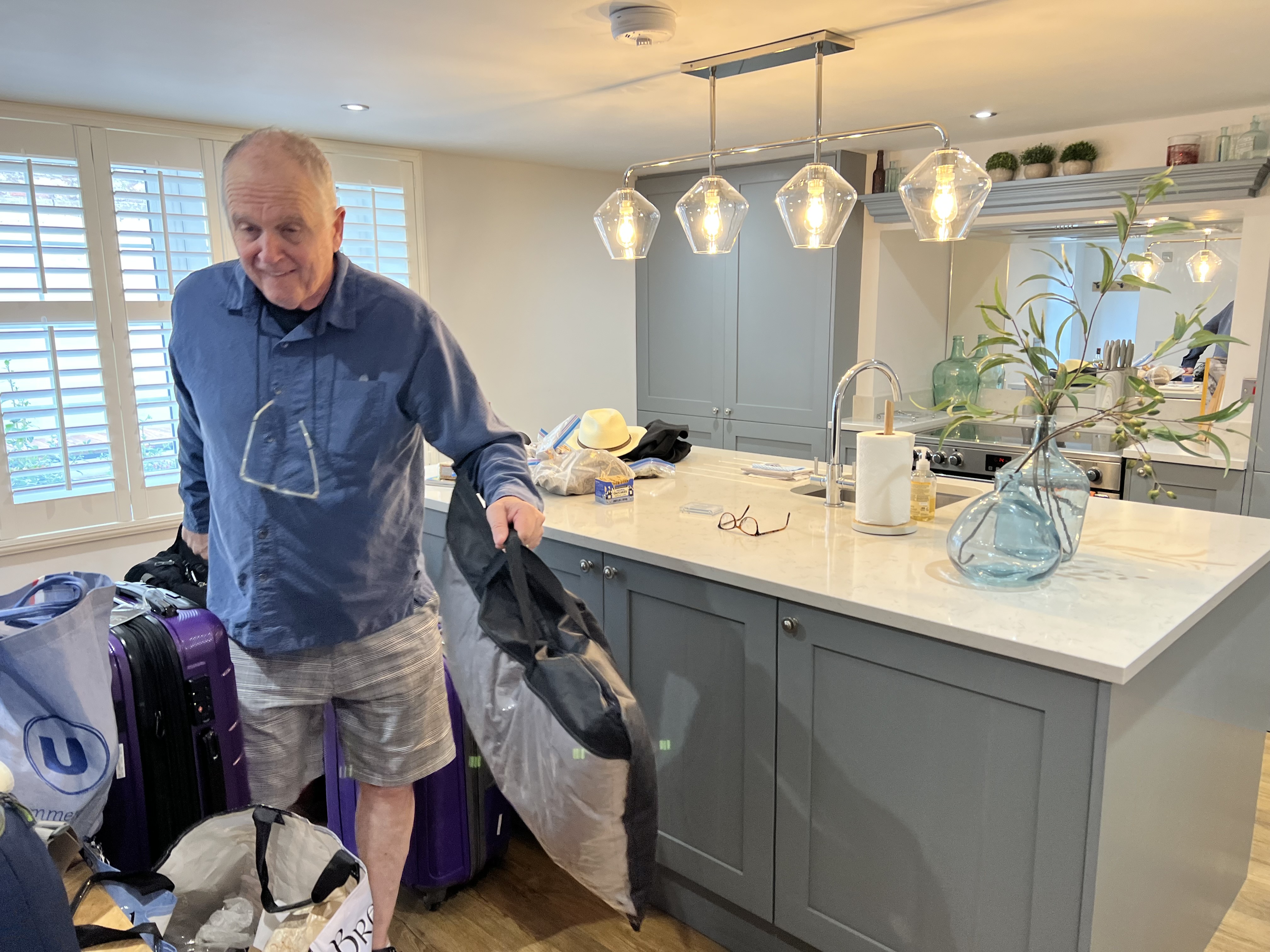
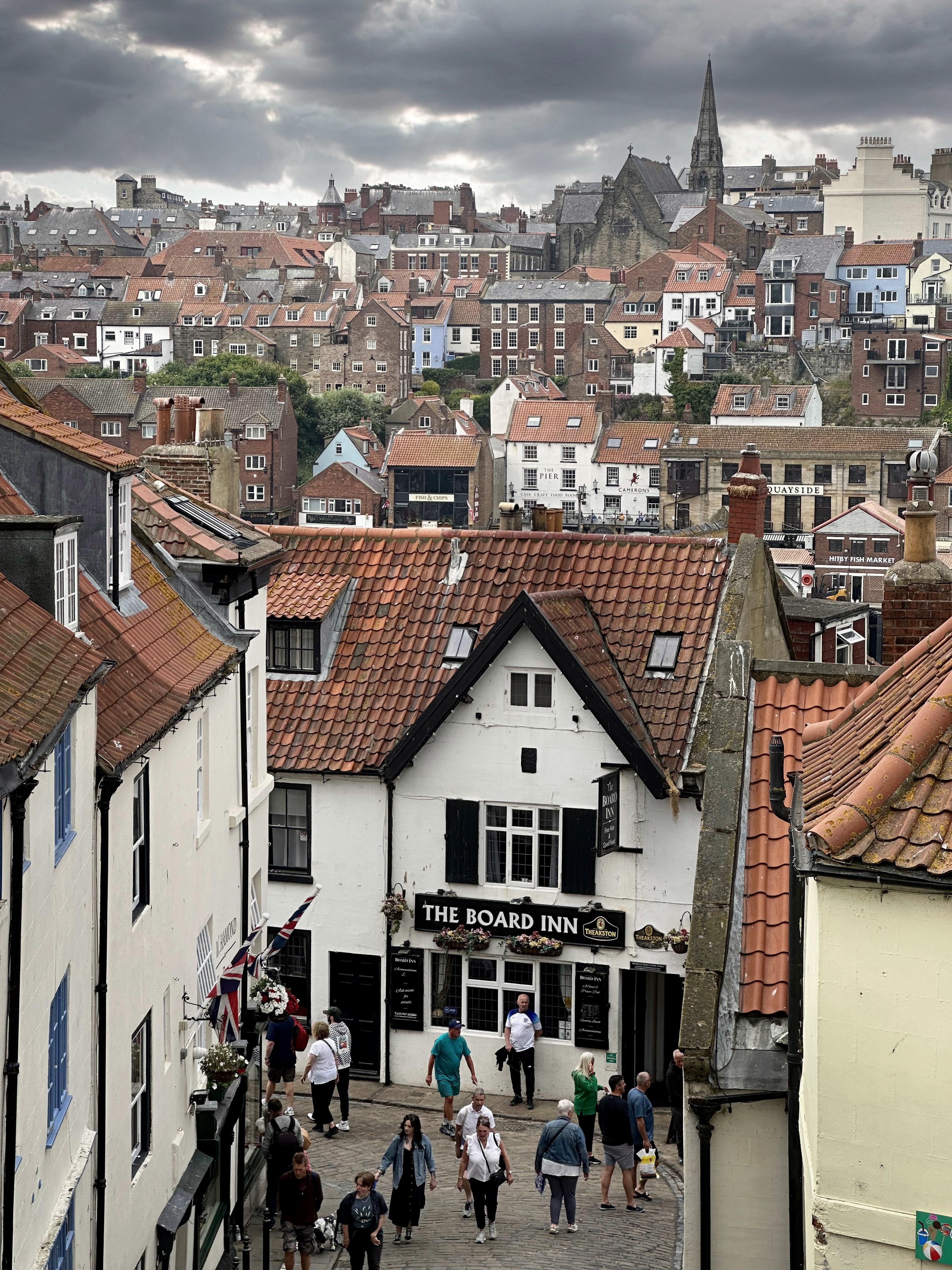
Rose: “Devereaux House”, our stylishly decorated and comfortable accommodation in Whitby. Dave calls it “Skyscraper House”, because the rooms are spread out over five floors: ground floor kitchen, first floor salon, second floor bedroom, third floor bedroom, fourth floor sunroom/bar with a view of rooftops and a glimpse of the ruined abbey. We definitely get our “steps” in, during our three nights here.
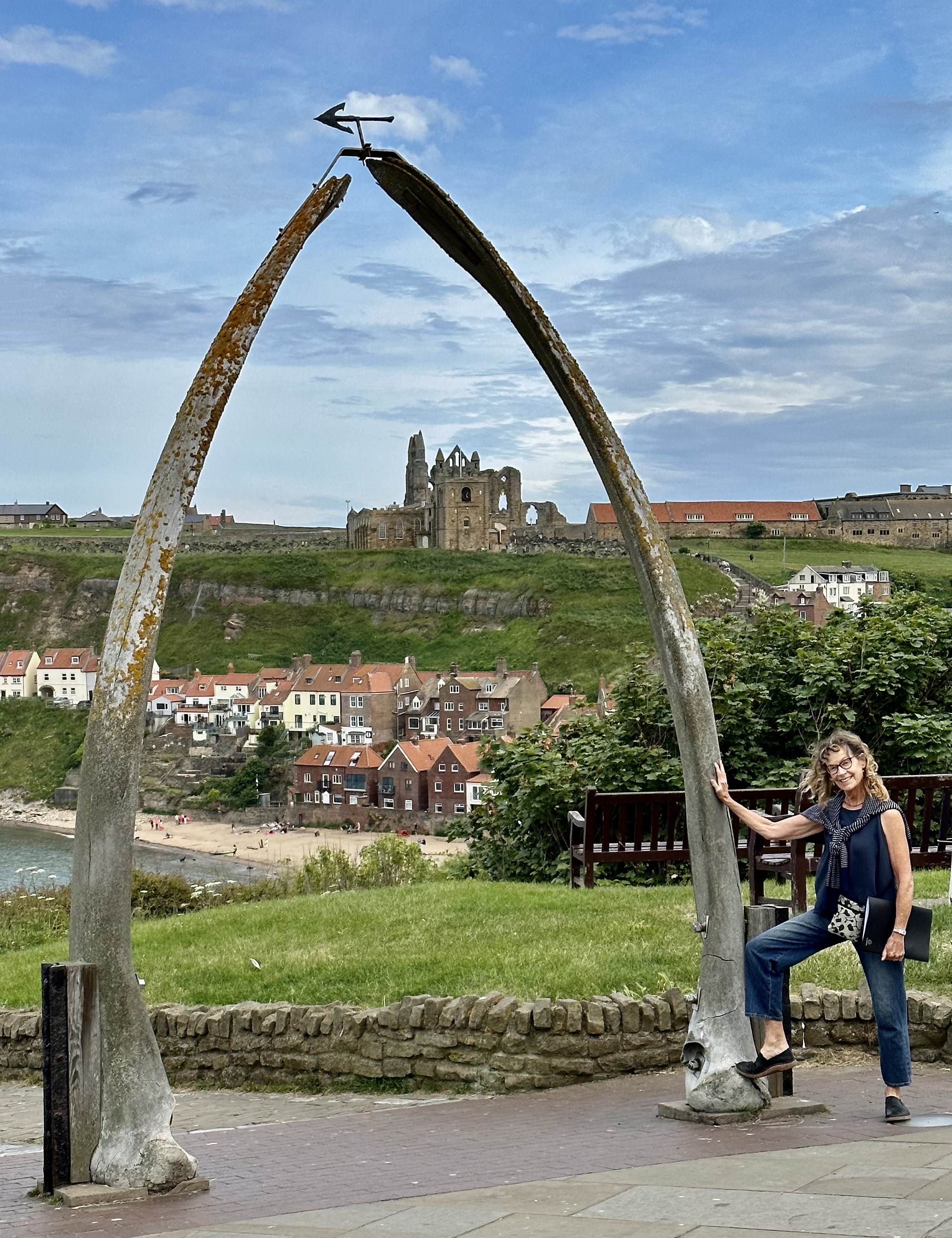
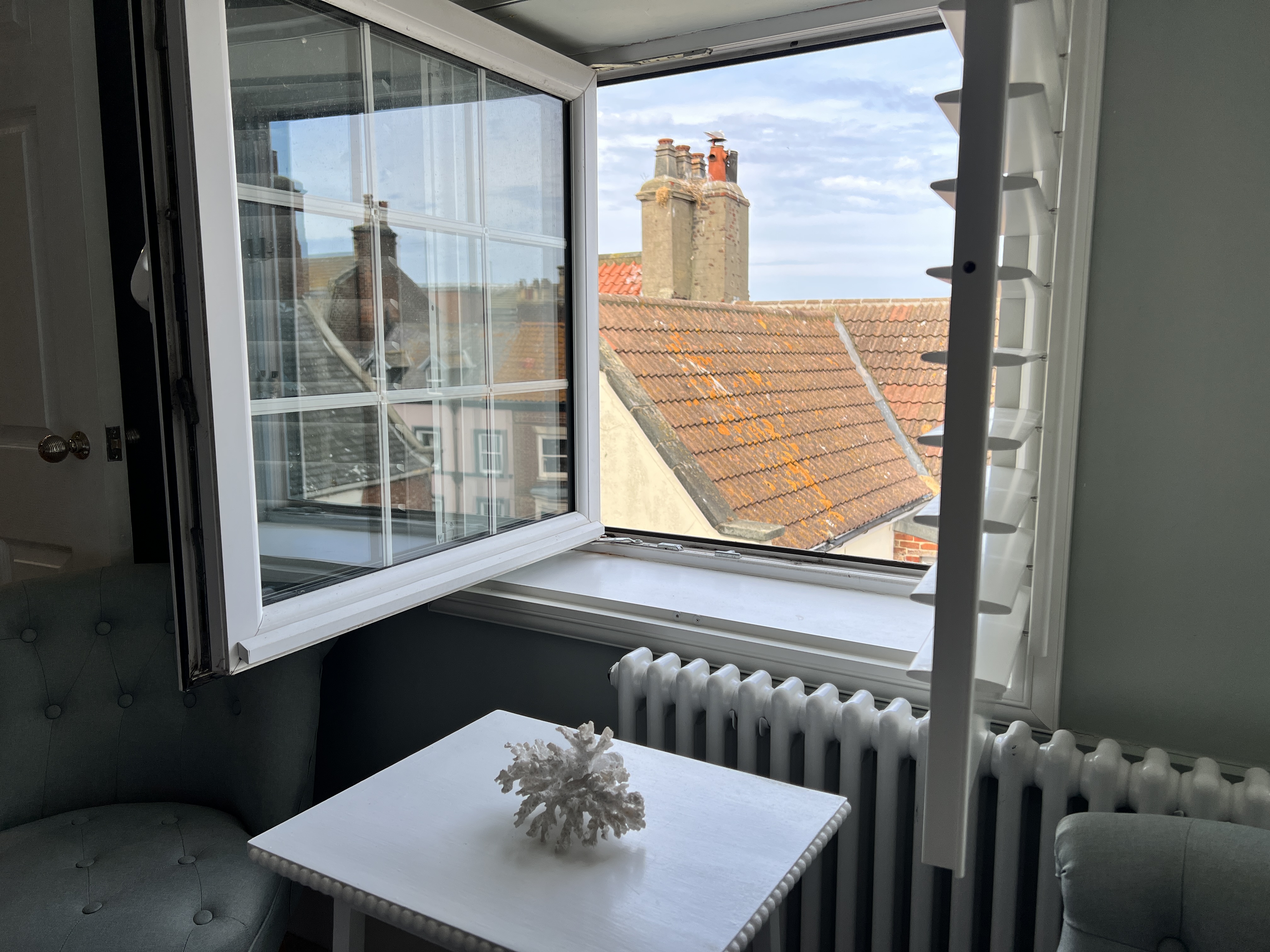
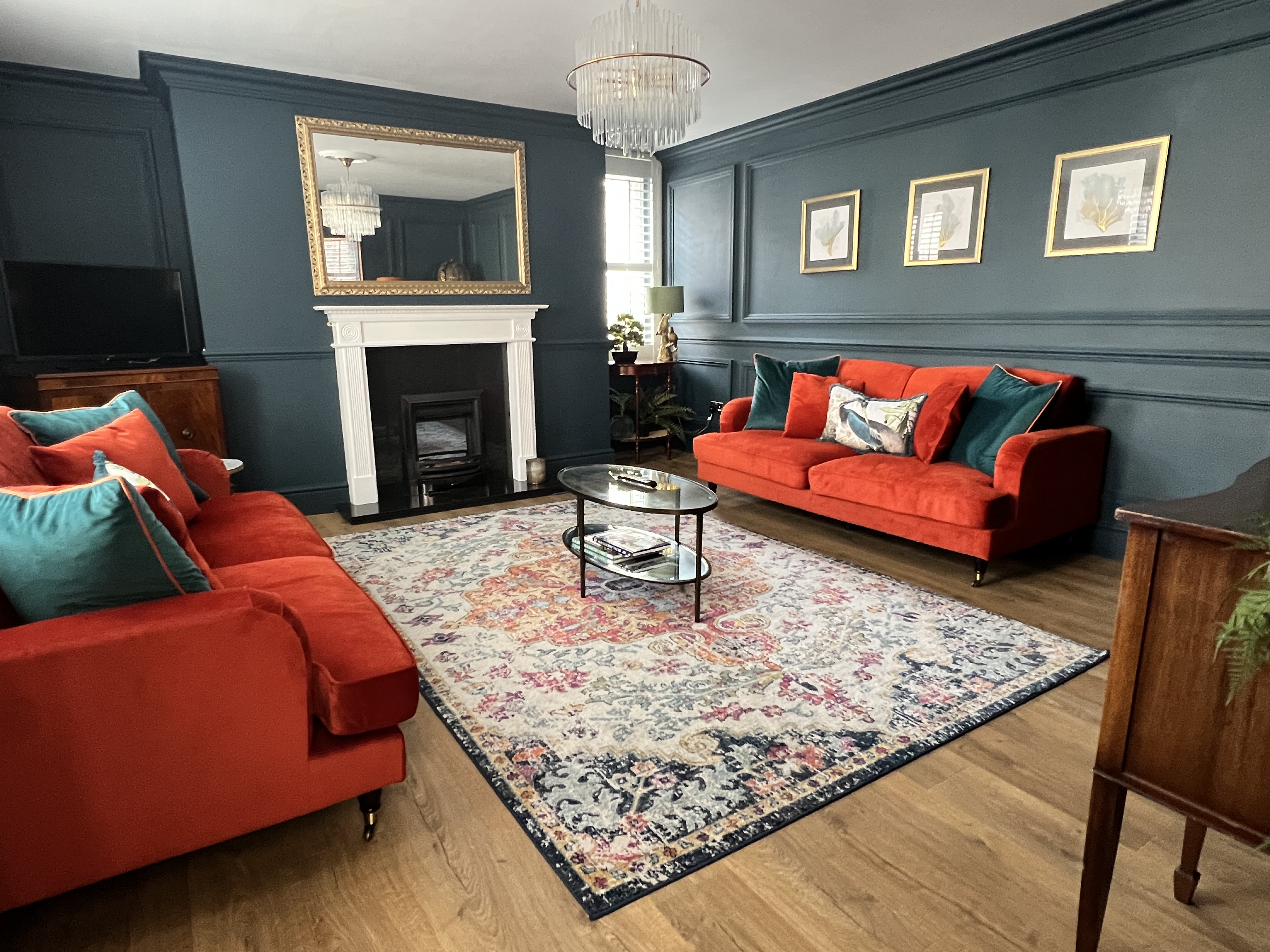
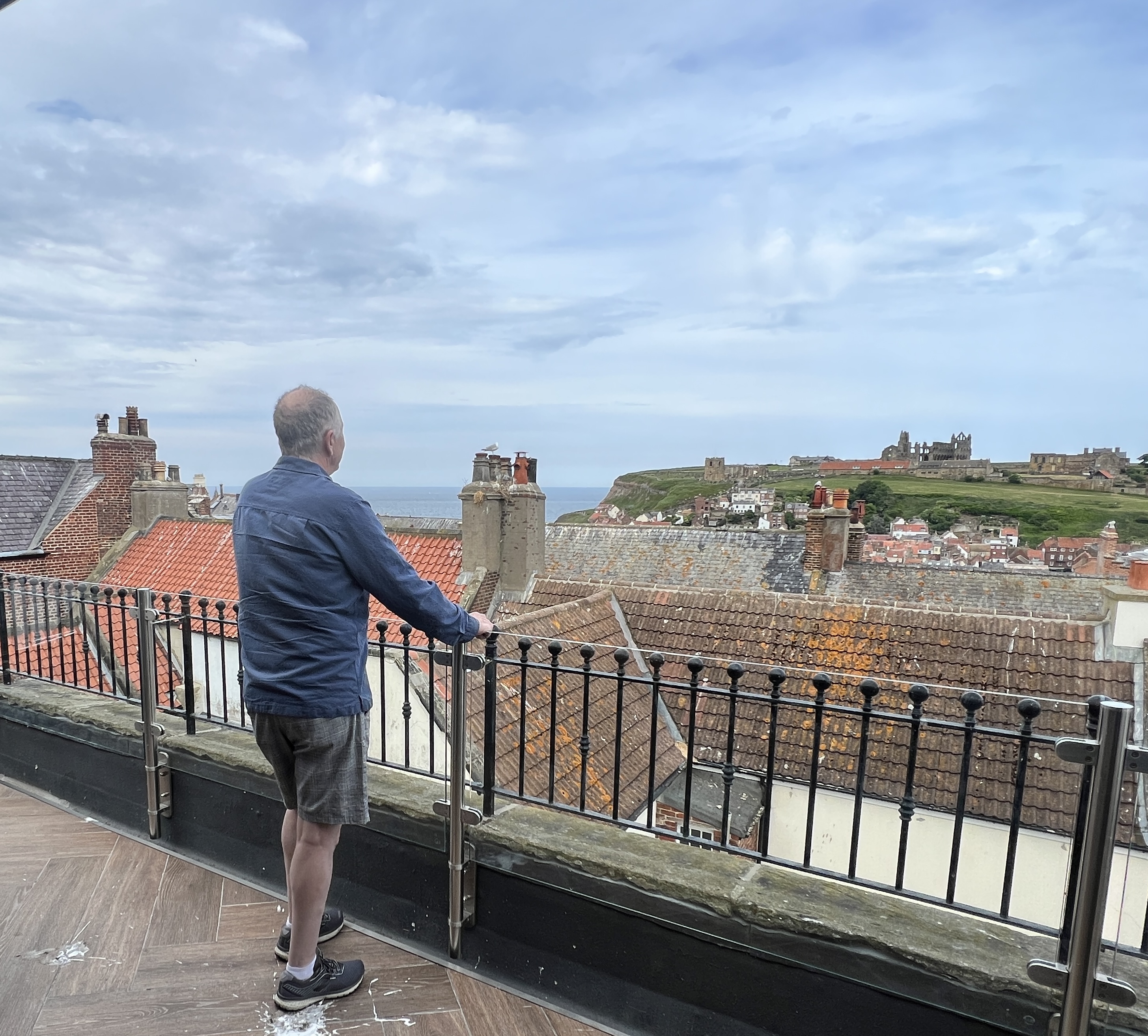
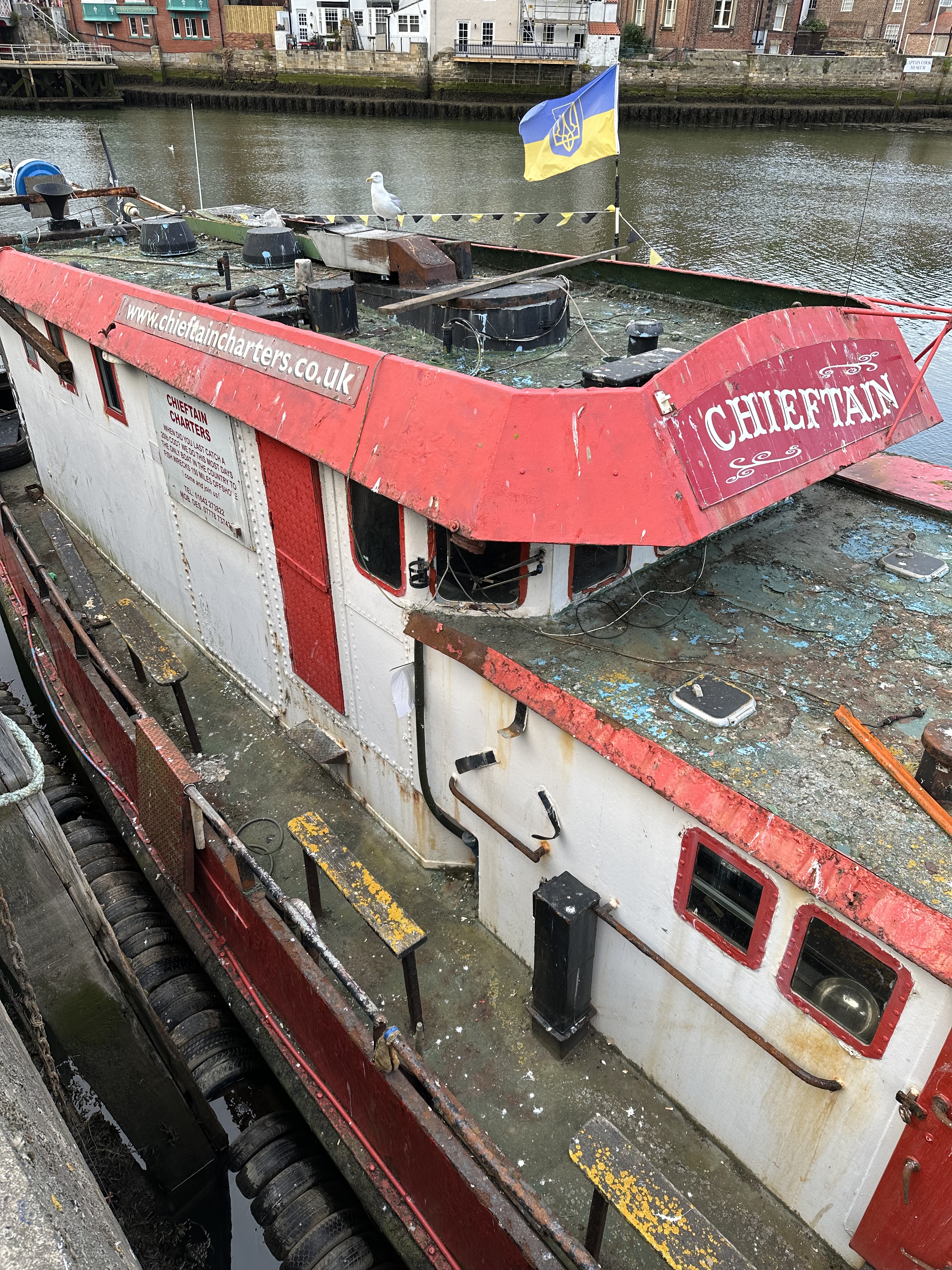
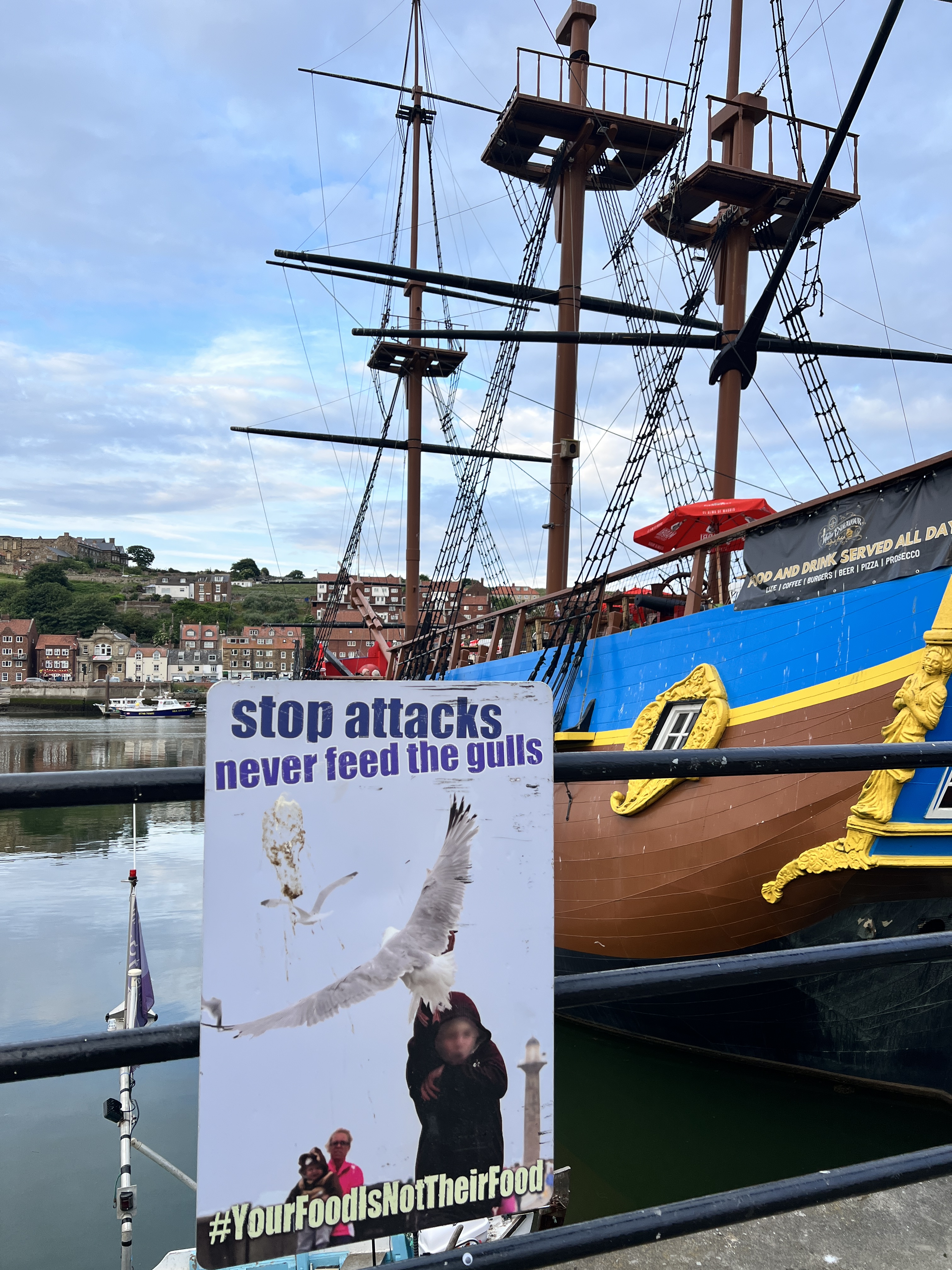
A Few Thorns From Whitby: The culinary tyranny of Fish & Chips. Precious few restaurants offer any alternative, and they are fully booked. The harbor reminds us of Fisherman’s Wharf in San Francisco, teeming with tacky shops, crowded seafood restaurants and tourists of all shapes and sizes, some dressed as if attending a vampire’s ball. We later learn that Whitby is a goth magnet. Twice a year, it is the site of Goth Weekend, a music festival for the gothic subculture.
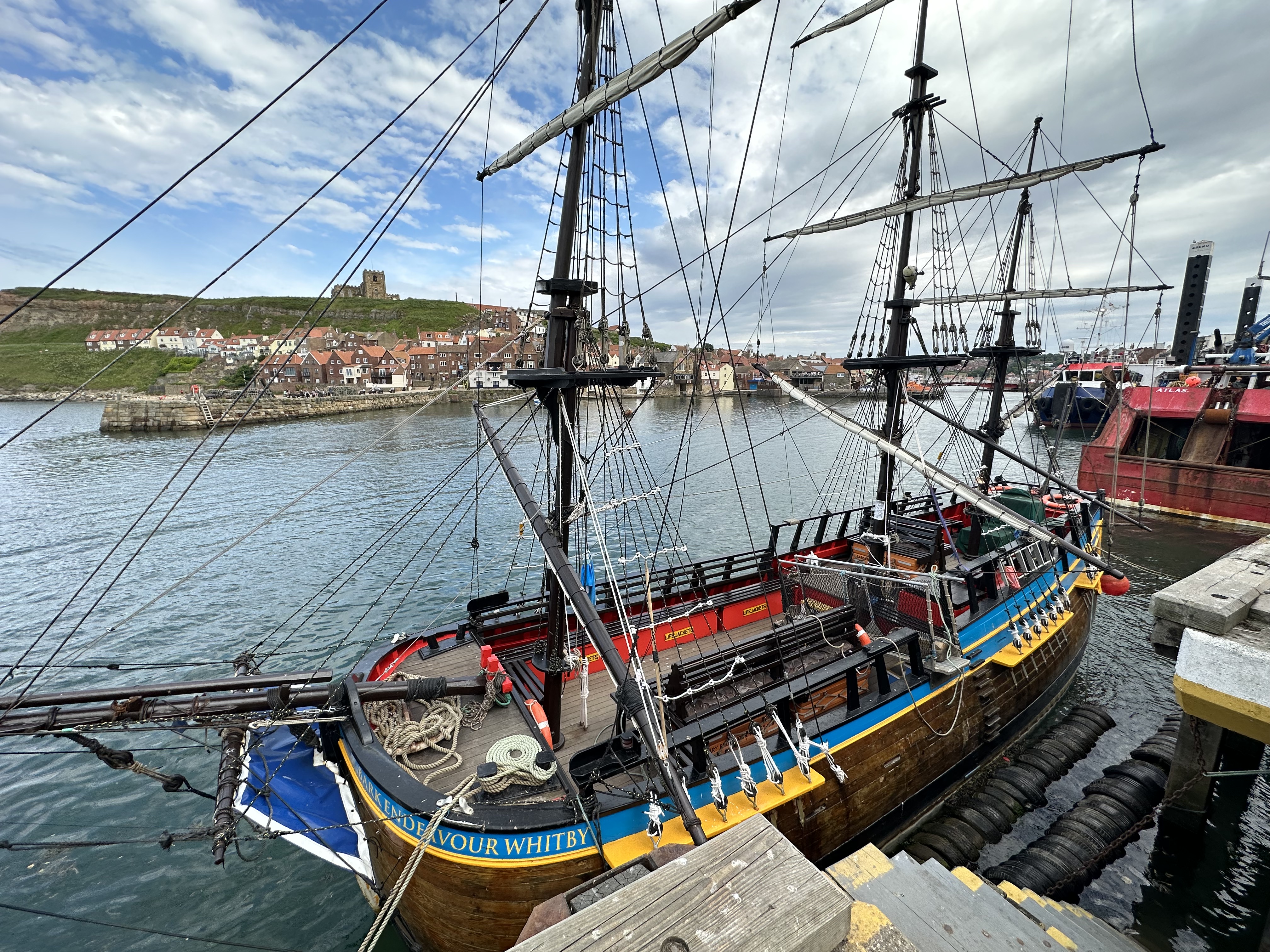
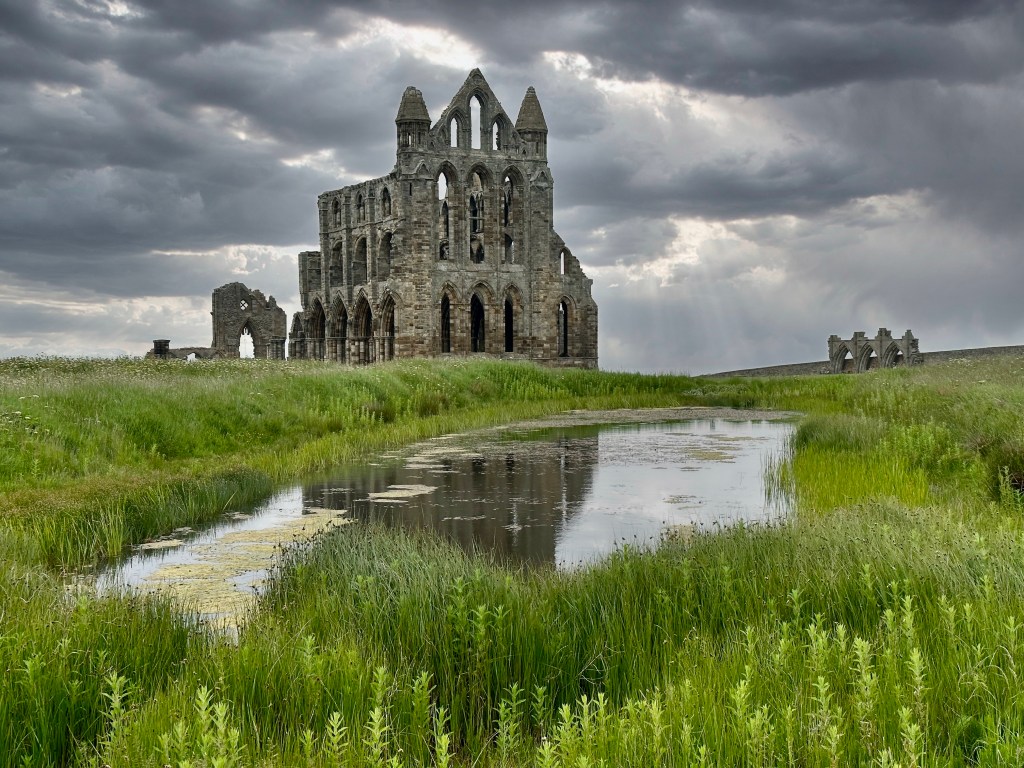
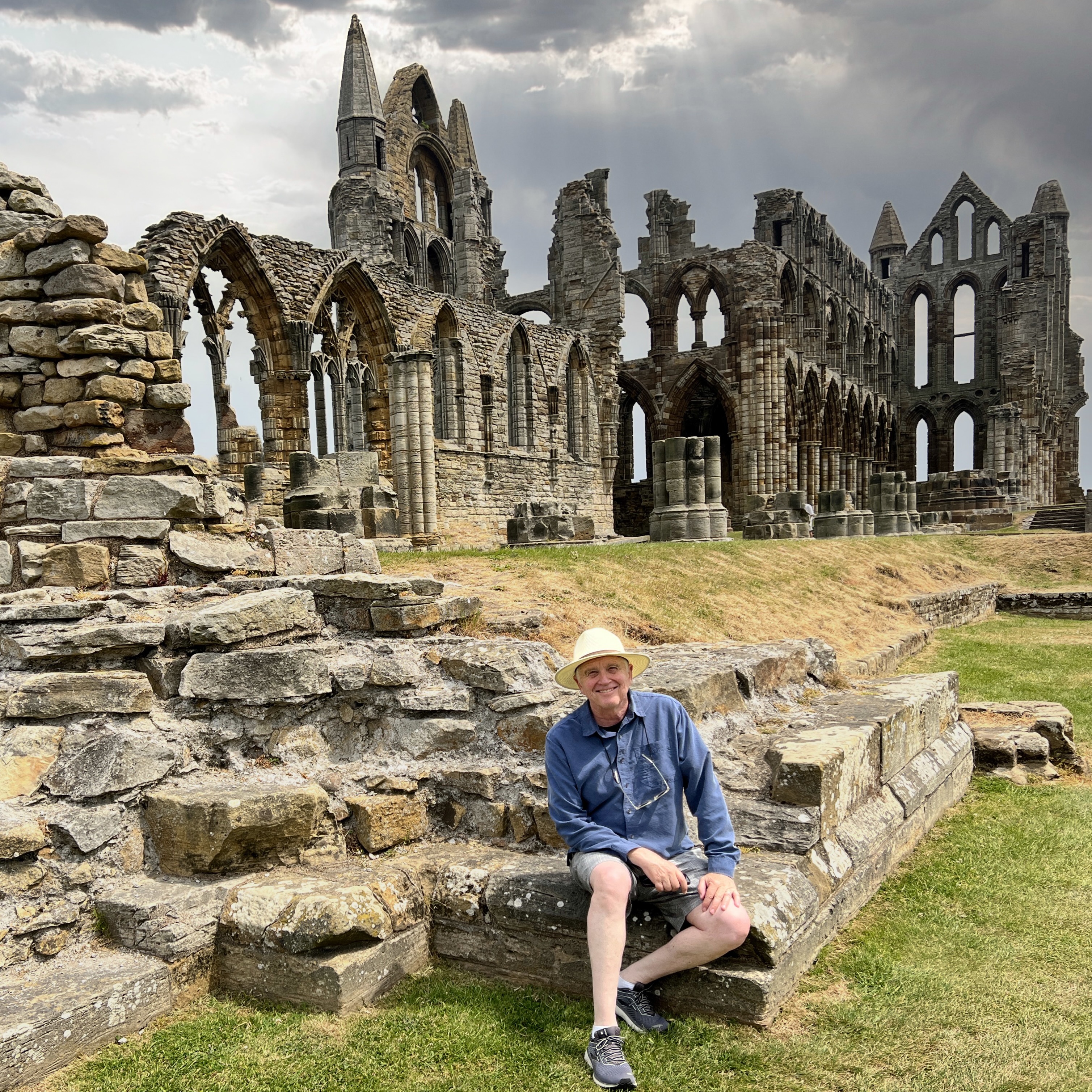
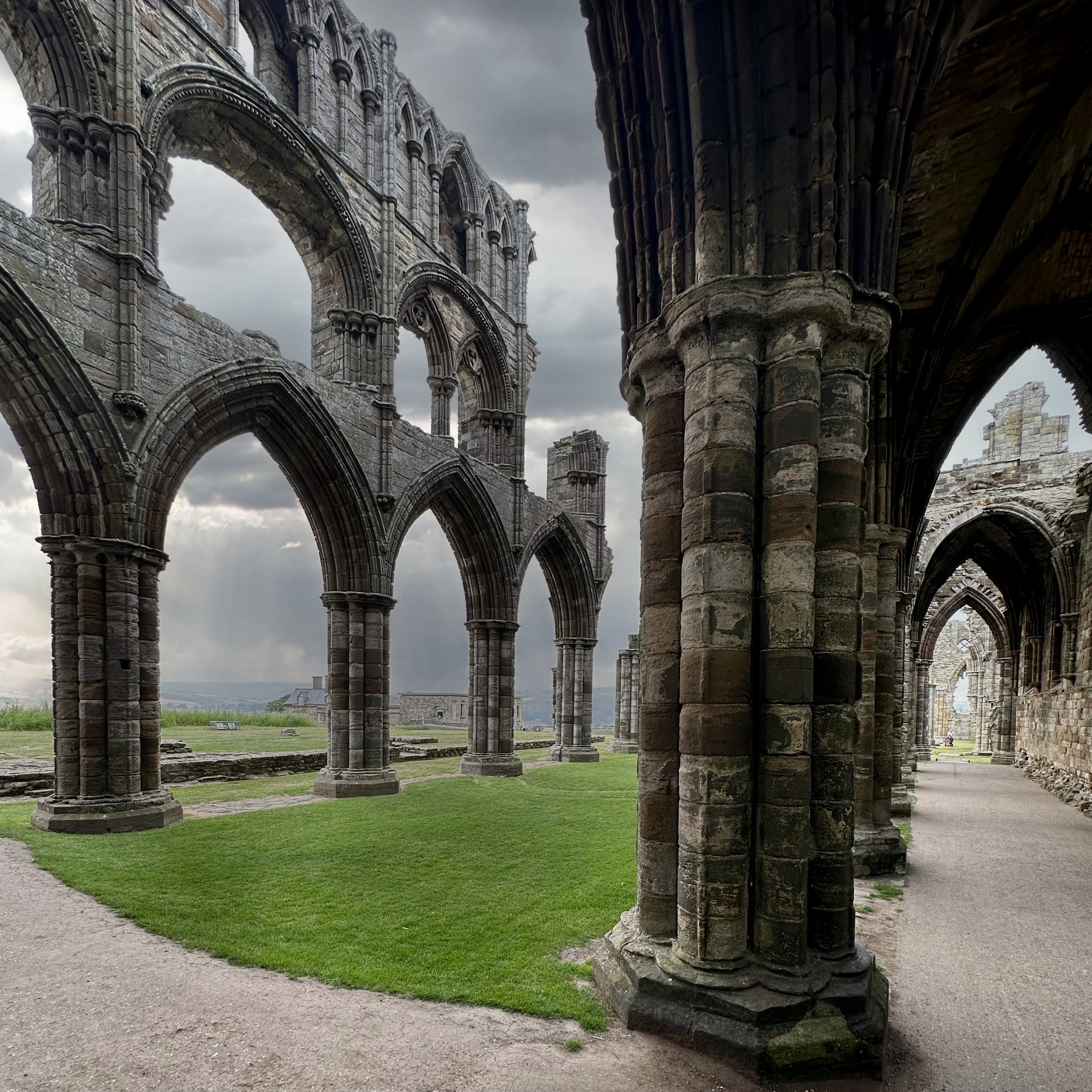
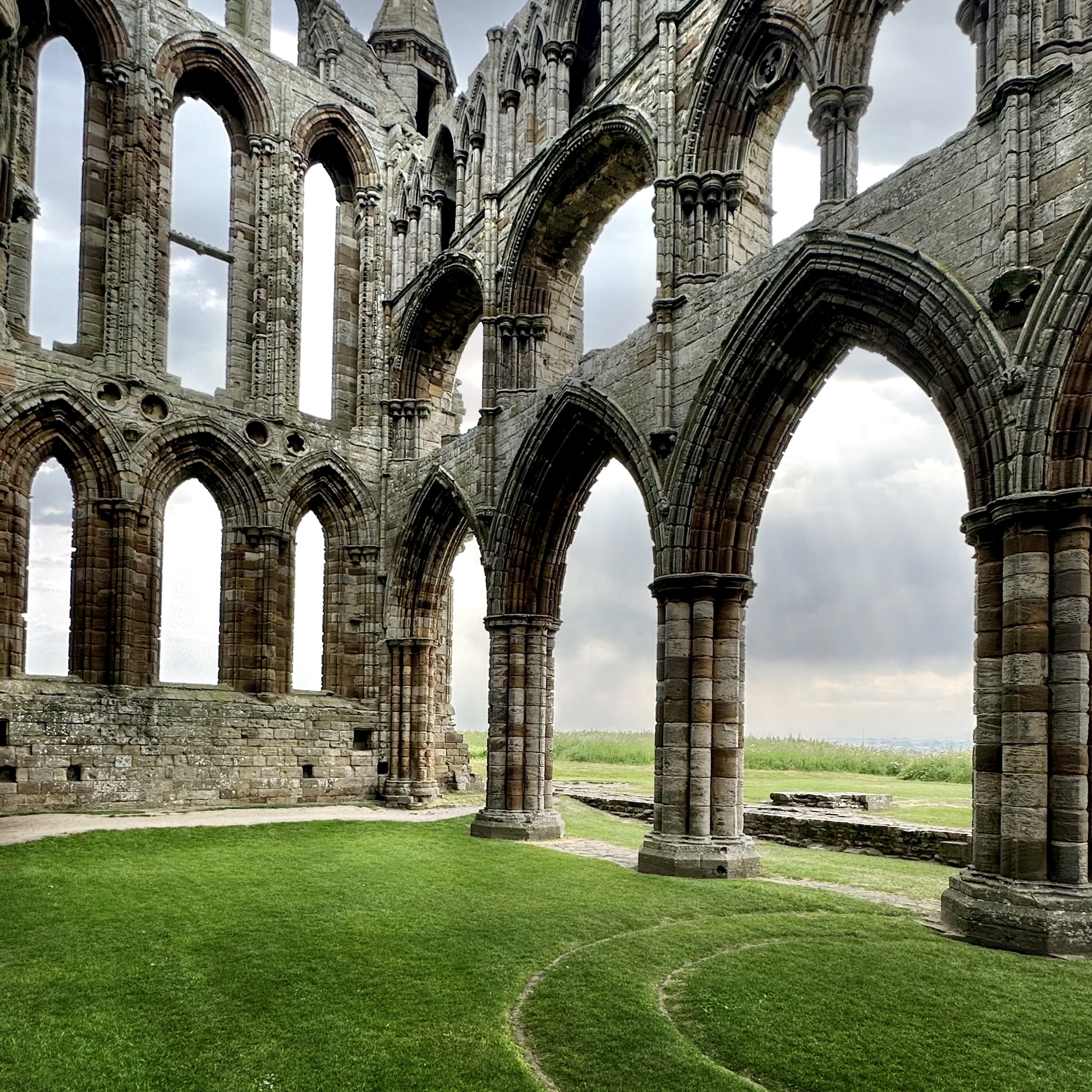
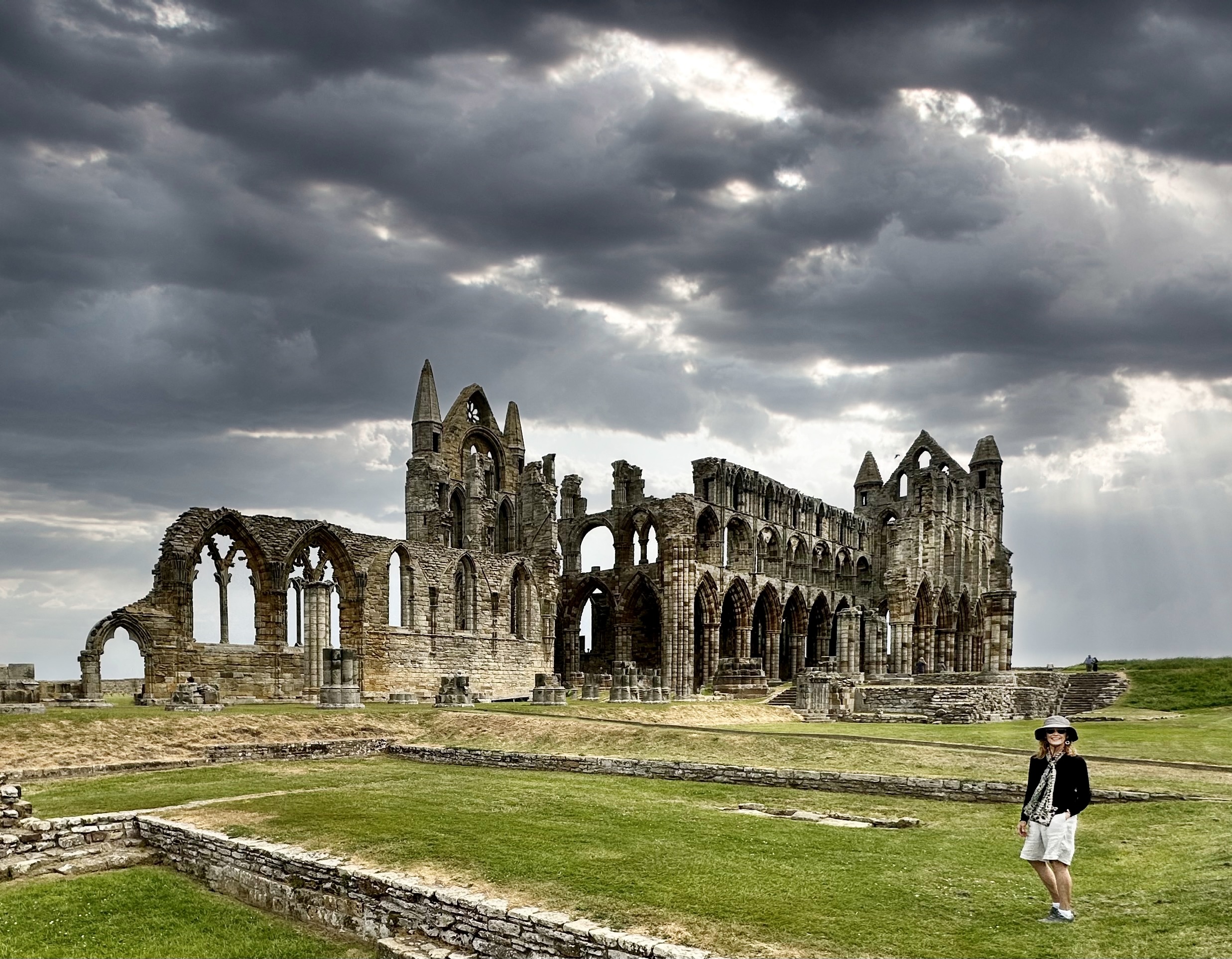
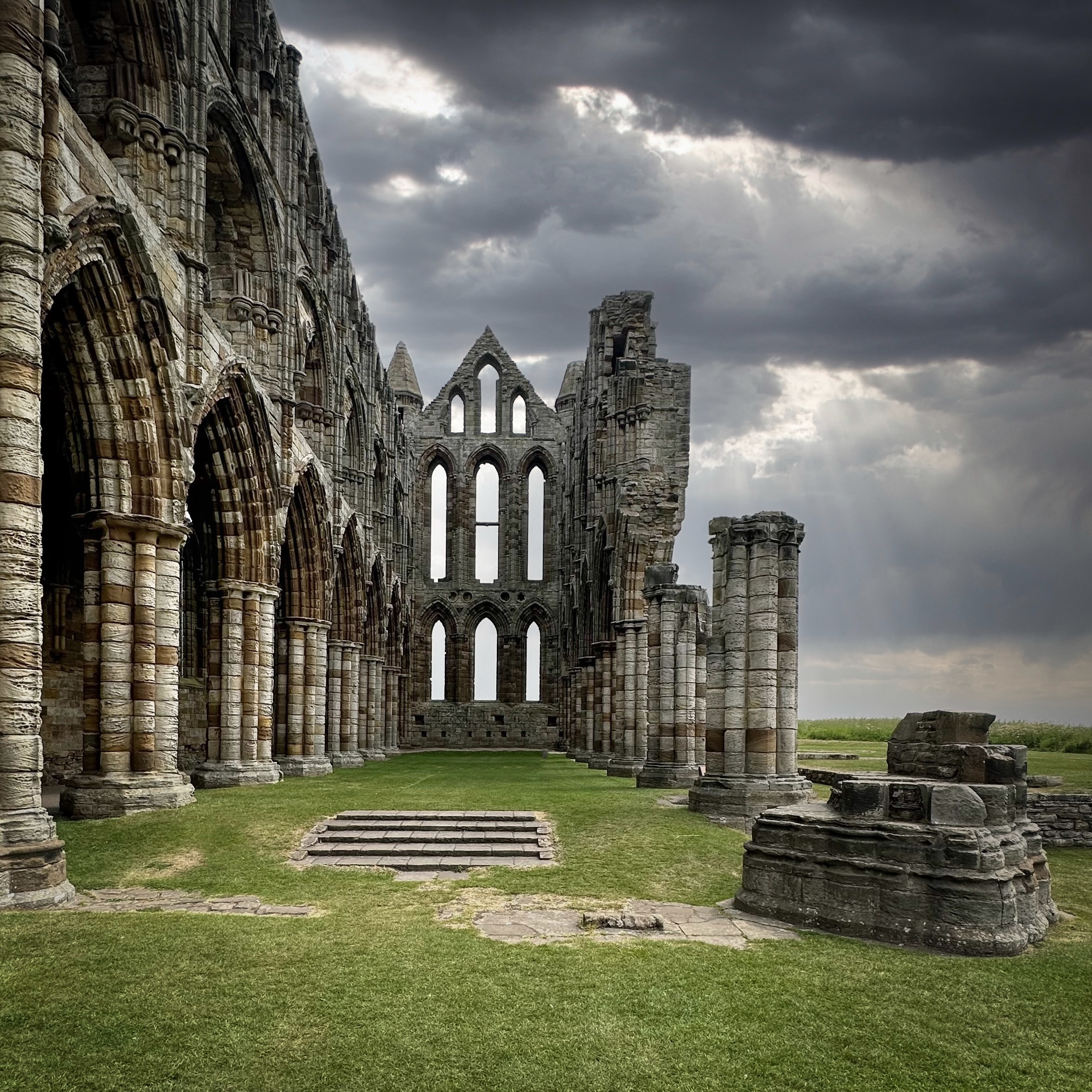
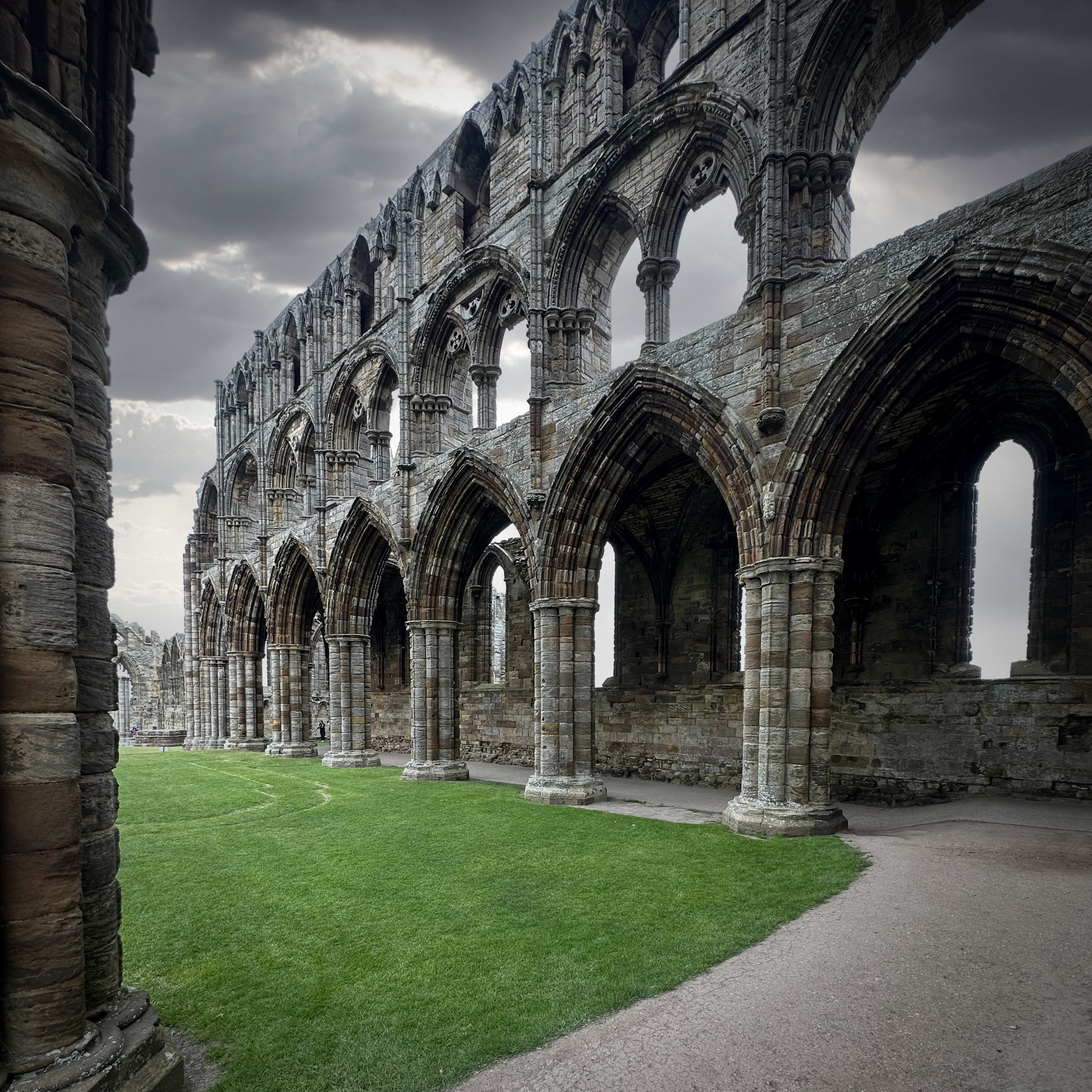
Rose: The stupendous ruins of Whitby Abbey, perched on a headland far above the hubbub of the harbor. Founded in 657 by Anglo Saxons, the abbey was abandoned after Viking raids in the 9th century and then re-established by Benedictine monks in 1078. Suppressed by Henry VIII in 1539, the Benedictine abbey ruins are what remain today. Bram Stoker spent his holidays in Whitby in 1809, and the setting inspired many elements of his novel “Dracula”.
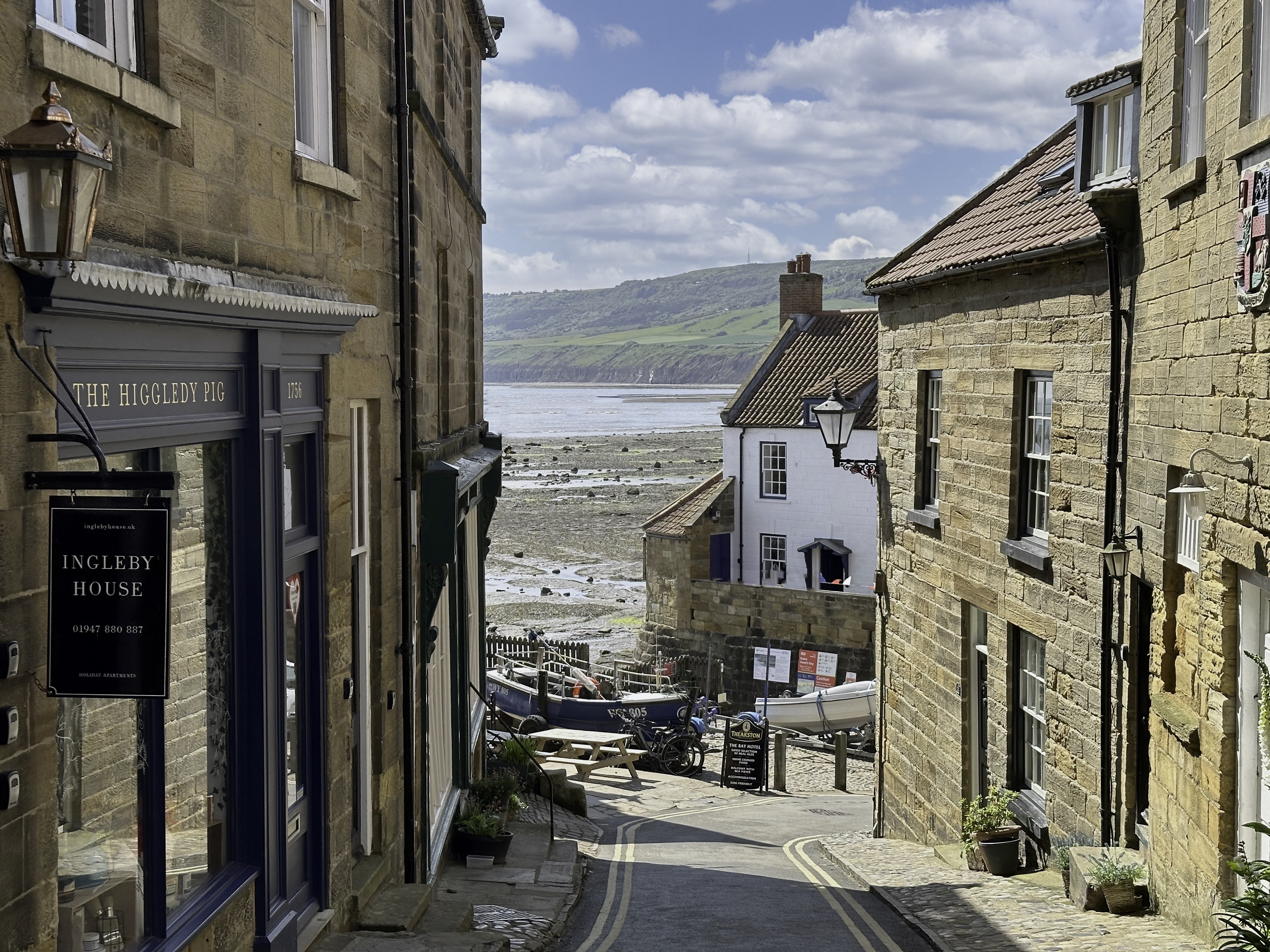
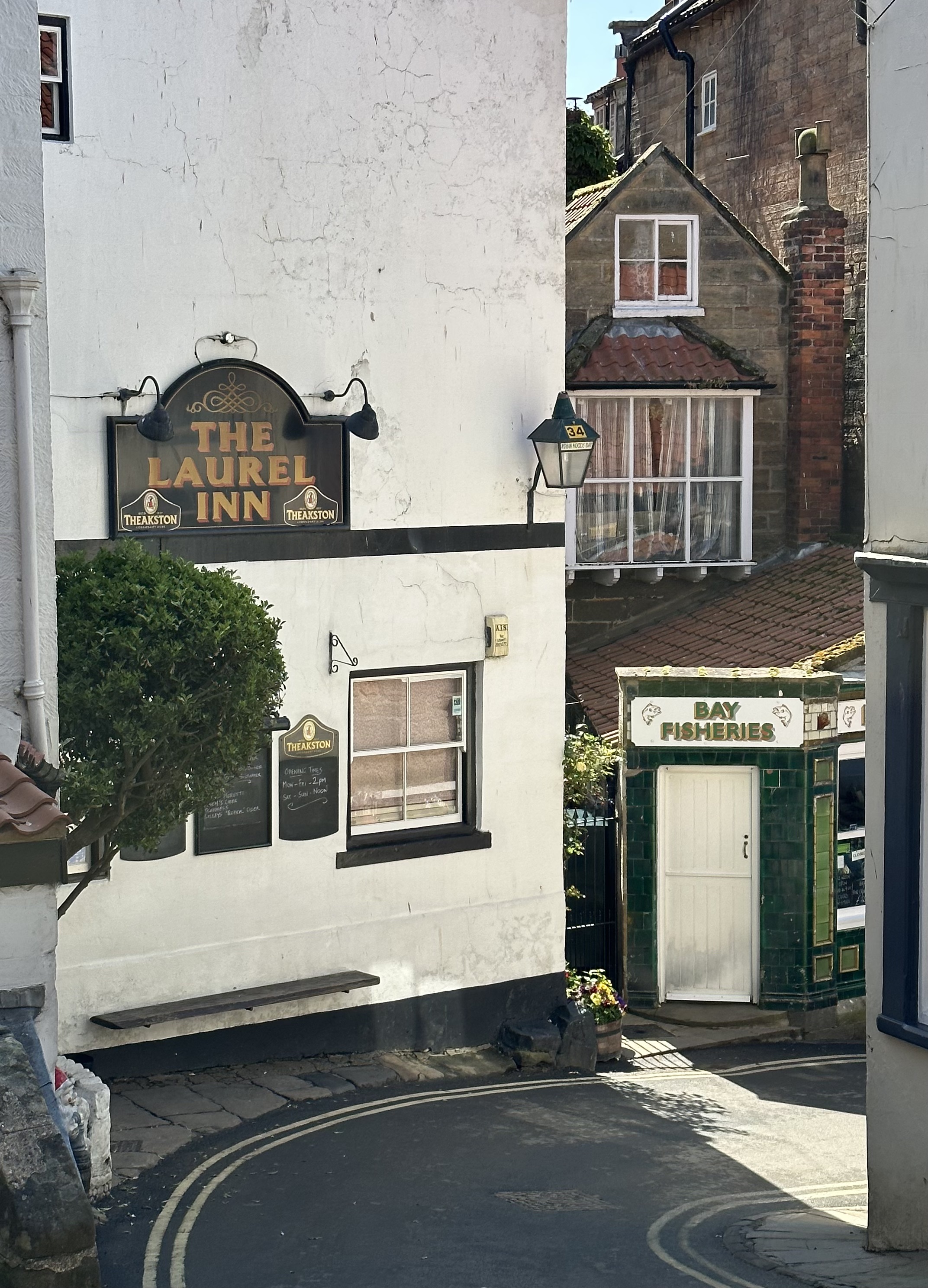
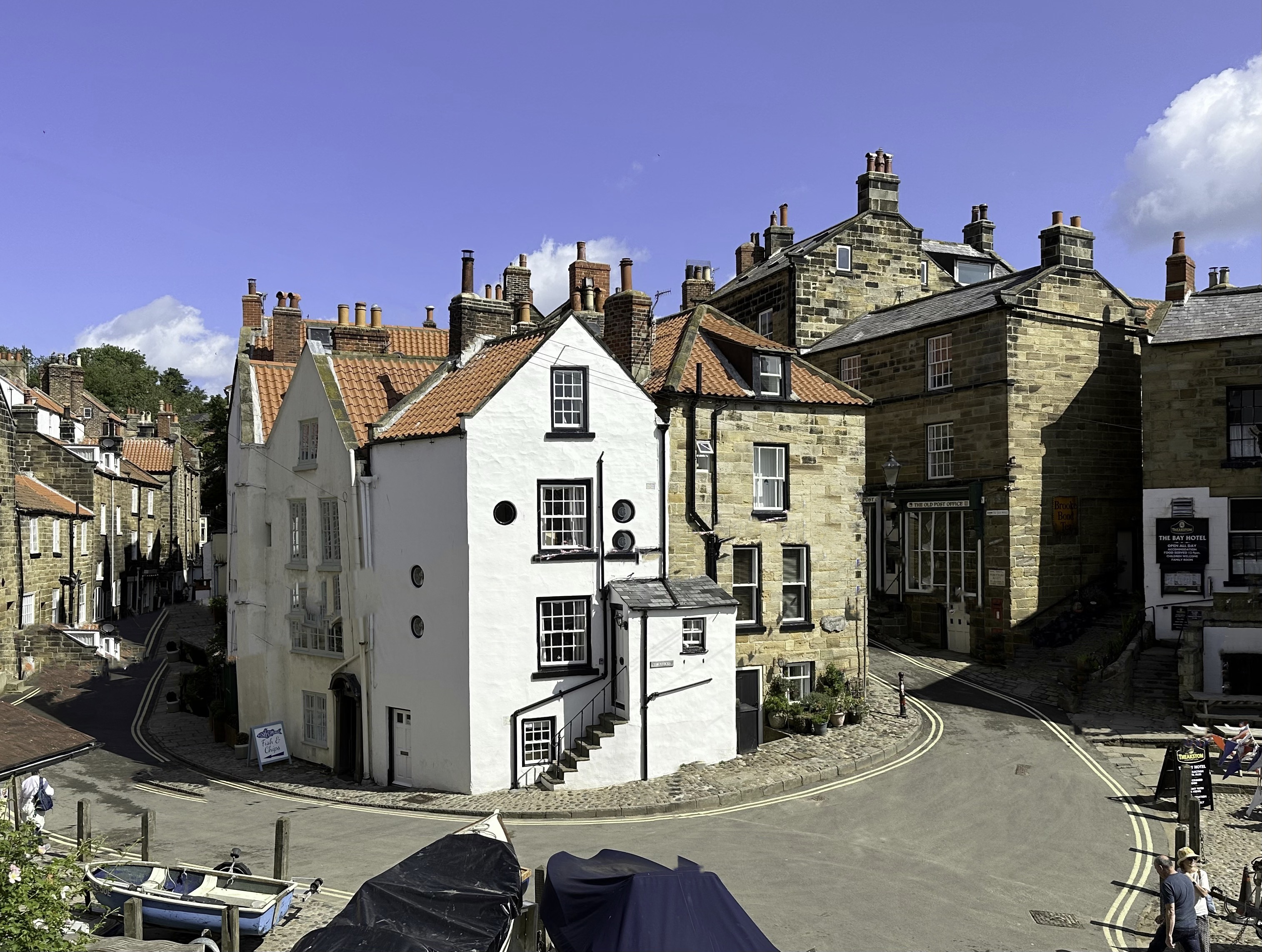
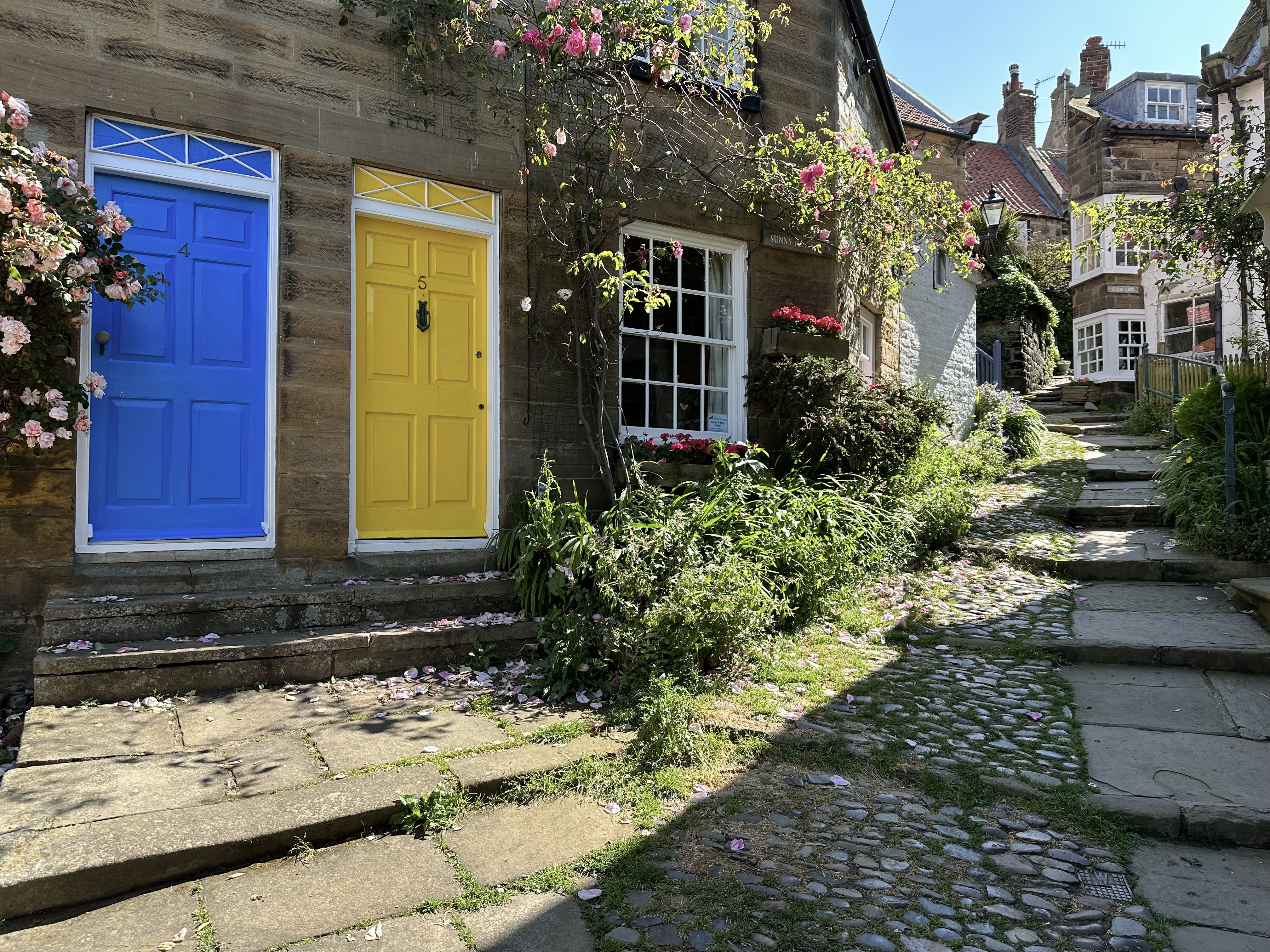
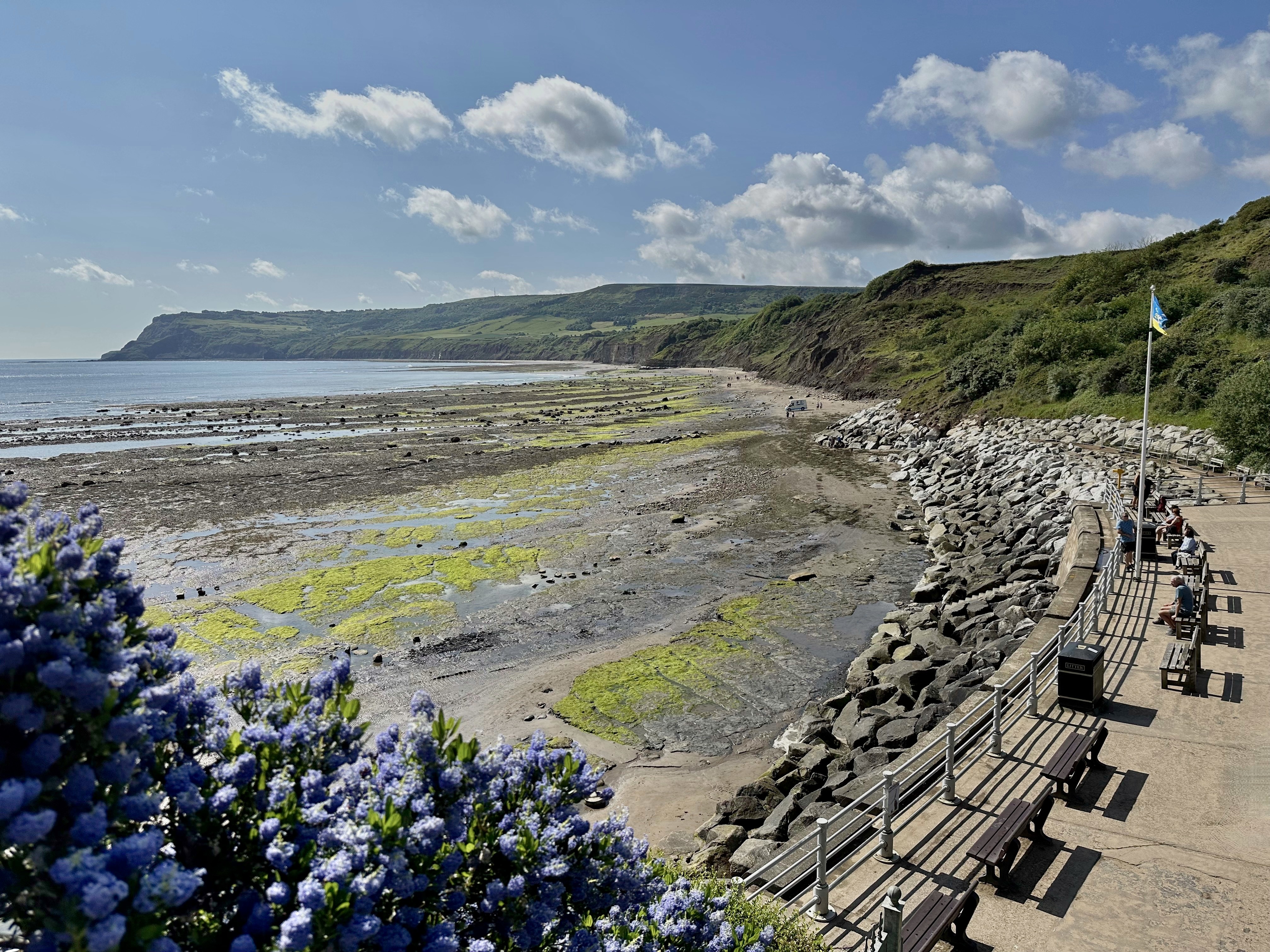
Rose: A visit to Robin Hood’s Bay, a “chocolate box” coastal village south of Whitby.
Our travels flow seamlessly, like water, each day unique, yet blending into the next. We continue our lunchtime picnics and parish church pilgrimages, seeking out scenic places and lighting candles for loved ones along our way. We unpack and repack, again and again replaying the perpetual game of concentration that is required to find stuff in our luggage. Our lovely, capable and multi-talented house and dog carer, Jeanine, sends daily missives and “proof of life” photos of our dog, Woofus. He seems quite happy without us. This is both a rose and a thorn, of course!
 Thin Slicing the World
Great travel log, Anna. Getting a great vicarious experience. Look forward to each report.
–Kenoli
I want you and Dave to be my travel agent in the future the places and the lunches you have been over the top. Not withstanding the accommodations are all one of
a kind.
Keep up the good work!!
I agree with Jan….Your photos capture an ongoing incredible experience. Thank you!
Virginia
This could be in the NYT travel section 😊
So well written and incredible photos.
I’m glad to see you having so much fun Ana enjoying your selves together.
Bravo for you !!!!!